 Bird Album
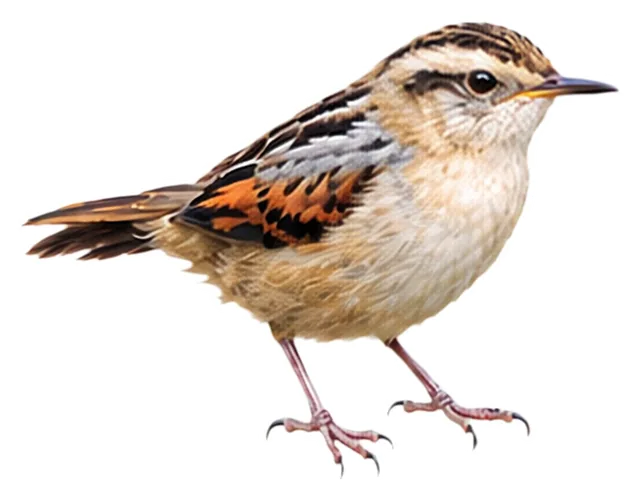
Wren-like Rushbird
Phleocryptes melanops (Vieillot, 1817)
13–14 cmLength15 gWeight
The wren-like rushbird (Phleocryptes melanops) is a species of bird in the Furnariinae subfamily of the ovenbird family Furnariidae.
Busiest months: October · Most records: Chile, Argentina, Peru
Where and when it's recorded

Wren-like Rushbird has been recorded at 170 of the 8,171 birding hotspots we track, in 7 countries and regions.
Records by month Southern Hemisphere
Where it's recorded most
- SN Laguna BatucoChile2,538 records
- Reserva Ecológica Costanera SurArgentina2,337 records
- Humedal Lucre-HuacarpayPeru2,194 records
More places
- Estero MantaguaChile2,102 records
- Refugio de Vida Silvestre Los Pantanos de Villa – Laguna Costera y Playa MarvillaPeru1,870 records
- SN Humedal Río Maipo – DesembocaduraChile1,468 records
- Refugio de Vida Silvestre Los Pantanos de VillaPeru1,285 records
- Reserva Ecológica Ciudad Universitaria - Costanera NorteArgentina969 records
- San Martín de los Andes – Reserva Natural Urbana CotesmaArgentina824 records
- Refugio de Vida Silvestre Los Pantanos de Villa – Laguna GénesisPeru705 records
Countries and regions with the most records
eBird records via GBIF up to 2024-12-31. A record means someone listed it; more records partly mean more birders, not more birds.
About
The wren-like rushbird (Phleocryptes melanops) is a species of bird in the Furnariinae subfamily of the ovenbird family Furnariidae. It is found in Argentina, Bolivia, Brazil, Chile, Paraguay, Peru, and Uruguay.
Excerpt from Wikipedia, CC BY-SA 4.0 · authors · Read more on Wikipedia
Questions
How big is the Wren-like Rushbird?
The Wren-like Rushbird is about 13–14 cm long and weighs around 15 g.
Where does the Wren-like Rushbird live?
Its breeding range: South America: western and Southern Cone. It is most often recorded in Chile, Argentina and Peru.
When is the best time to see the Wren-like Rushbird?
At the hotspots we track, it is recorded most in October (Southern Hemisphere).
Is the Wren-like Rushbird endangered?
The IUCN Red List classifies the Wren-like Rushbird as Least Concern.
What does the Wren-like Rushbird eat?
Main food: Insects & other invertebrates.
What family is the Wren-like Rushbird in?
It belongs to the family Ovenbirds (Furnariidae), order Passerines (Passeriformes).
At a glance
- Length
- 13–14 cm
- Weight
- 15 g
- Habitat
- Wetland
- Diet
- Insects & other invertebrates
- Lifestyle
- Perches in trees
- Migration
- Resident (barely migrates)
- Conservation
- Least Concern
More measurements
- Wing
- 57 mm
- Tail
- 52 mm
- Bill
- 18 mm
- Tarsus
- 20 mm
Averages from the AVONET dataset; length from field guides where available.
Range
South America: western and Southern Cone
Breeding range, IOC World Bird List 15.2
Classification
- Order
- Passerines Passeriformes
- Family
- Ovenbirds Furnariidae
- Genus
- Phleocryptes
More from the family Ovenbirds
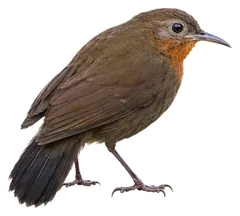 Tawny-throated LeaftosserSclerurus mexicanus
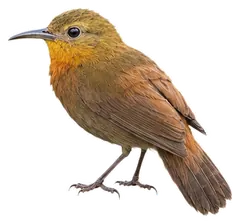 Dusky LeaftosserSclerurus obscurior
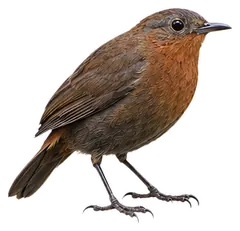 Short-billed LeaftosserSclerurus rufigularis
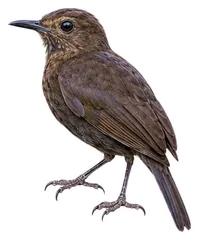 Scaly-throated LeaftosserSclerurus guatemalensis
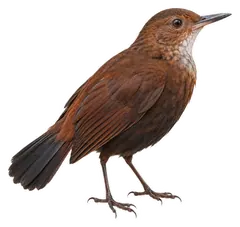 Black-tailed LeaftosserSclerurus caudacutus
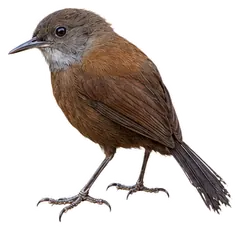 Grey-throated LeaftosserSclerurus albigularis
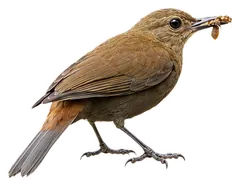 Rufous-breasted LeaftosserSclerurus scansor
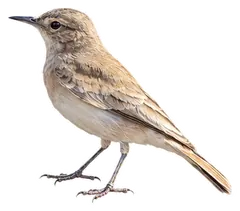 Coastal MinerGeositta peruviana
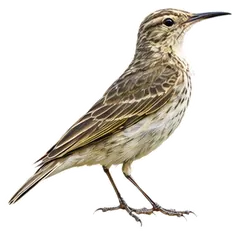 Slender-billed MinerGeositta tenuirostris
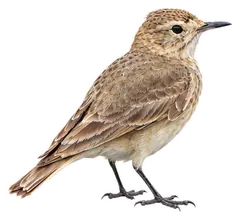 Common MinerGeositta cunicularia
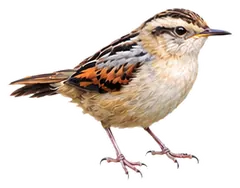
Download illustration
Free to use with credit: “Illustration: Bird Album (birdalbum.com)”. Drawn by AI from reference photos. ↗
Heard it but can't see it? Mingji identifies birds by sound and photo, on your phone.