 Bird Album
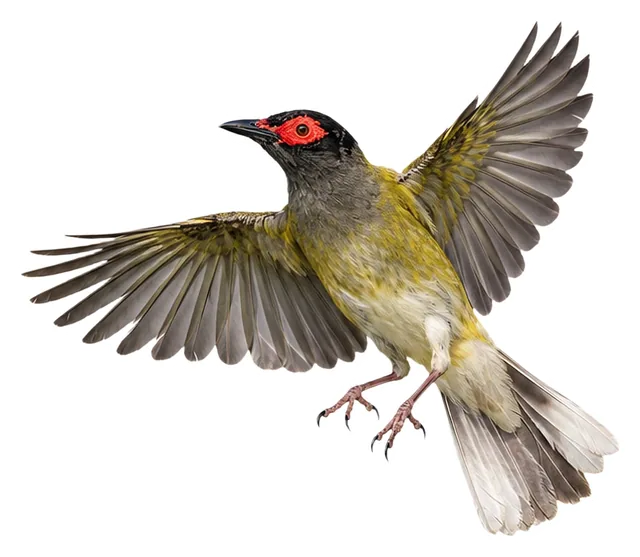
Australasian Figbird
Sphecotheres vieilloti Vigors & Horsfield, 1827
27–30 cmLength122 gWeight
Busiest months: October · Most records: Australia, Papua New Guinea
Where and when it's recorded

Australasian Figbird has been recorded at 124 of the 8,171 birding hotspots we track, in 2 countries and regions.
Records by month Southern Hemisphere
Where it's recorded most
- Oxley Creek CommonAustralia4,482 records
- Cairns EsplanadeAustralia3,784 records
- Sandy Camp Road WetlandsAustralia3,087 records
More places
- Lake Samsonvale – Golds Scrub LaneAustralia2,344 records
- Gold Creek ReservoirAustralia1,835 records
- Cattana WetlandsAustralia1,798 records
- Centennial ParkAustralia1,752 records
- Dowse LagoonAustralia1,606 records
- Kumbartcho SanctuaryAustralia1,563 records
- Minnippi ParklandsAustralia1,517 records
Countries and regions with the most records
eBird records via GBIF up to 2024-12-31. A record means someone listed it; more records partly mean more birders, not more birds.
About
The Australasian figbird (Sphecotheres vieilloti), also known as the green figbird (not to be confused with the Timor figbird), is a conspicuous, medium-sized passerine bird native to a wide range of wooded habitats in northern and eastern Australia, southern New Guinea, and the Kai Islands. It is common in large parts of its range, and occurs in numerous protected areas. Consequently, it is rated as least concern by BirdLife International and the IUCN.
Excerpt from Wikipedia, CC BY-SA 4.0 · authors · Read more on Wikipedia
Questions
How big is the Australasian Figbird?
The Australasian Figbird is about 27–30 cm long and weighs around 122 g.
Where does the Australasian Figbird live?
Its breeding range: Australasia: Kai Islands (southeastern Moluccas), southeastern New Guinea and northern, eastern Australia. It is most often recorded in Australia and Papua New Guinea.
When is the best time to see the Australasian Figbird?
At the hotspots we track, it is recorded most in October (Southern Hemisphere).
Is the Australasian Figbird endangered?
The IUCN Red List classifies the Australasian Figbird as Least Concern.
What does the Australasian Figbird eat?
Main food: Fruit.
What family is the Australasian Figbird in?
It belongs to the family Figbirds, Old World Orioles, Piopios (Oriolidae), order Passerines (Passeriformes).
At a glance
- Length
- 27–30 cm
- Weight
- 122 g
- Habitat
- Forest
- Diet
- Fruit
- Lifestyle
- Perches in trees
- Migration
- Resident (barely migrates)
- Conservation
- Least Concern
More measurements
- Wing
- 147 mm
- Tail
- 104 mm
- Bill
- 27 mm
- Tarsus
- 26 mm
Averages from the AVONET dataset; length from field guides where available.
Range
Australasia: Kai Islands (southeastern Moluccas), southeastern New Guinea and northern, eastern Australia
Breeding range, IOC World Bird List 15.2
Classification
- Order
- Passerines Passeriformes
- Family
- Figbirds, Old World Orioles, Piopios Oriolidae
- Genus
- Sphecotheres
Other birds in the genus Sphecotheres
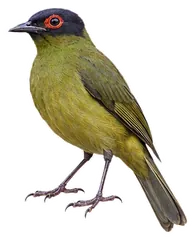 Green FigbirdSphecotheres viridis
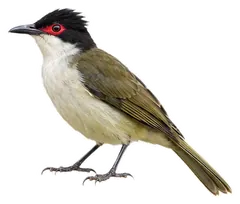 Wetar FigbirdSphecotheres hypoleucus
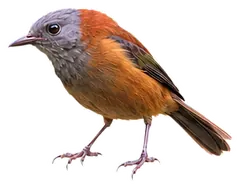 Northern Variable PitohuiPitohui kirhocephalus
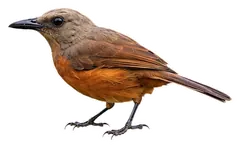 Raja Ampat PitohuiPitohui cerviniventris
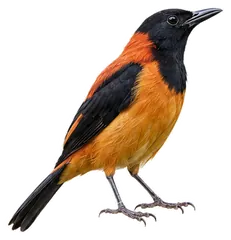 Southern Variable PitohuiPitohui uropygialis
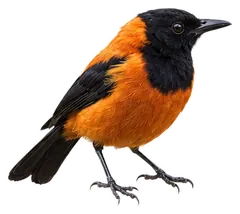 Hooded PitohuiPitohui dichrous
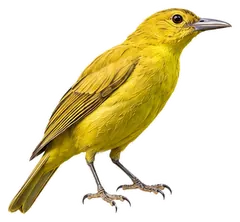 Isabela OrioleOriolus isabellae
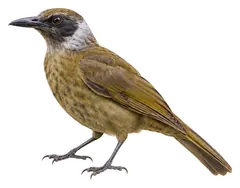 Grey-collared OrioleOriolus forsteni
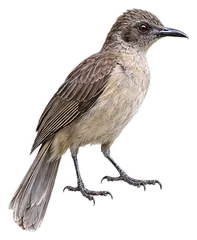 Black-eared OrioleOriolus bouroensis
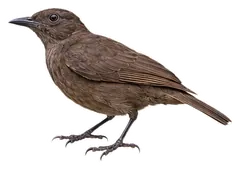 Dusky-brown OrioleOriolus phaeochromus
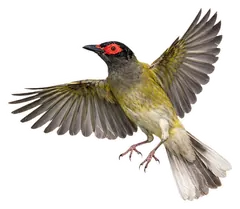
Download illustration
Free to use with credit: “Illustration: Bird Album (birdalbum.com)”. Drawn by AI from a reference photo by Ashley Anderson. ↗
Heard it but can't see it? Mingji identifies birds by sound and photo, on your phone.
In other languages
- EnglishAustralasian Figbird
- 简体中文澳裸眼鹂
- 繁體中文南方裸眼鸝
- 日本語メガネコウライウグイス
- DeutschFeigenpirol
- FrançaisSphécothère de Vieillot
- EspañolPapafigos de Vieillot
- Portuguêspapa-figos-australasiático
- ItalianoMangiafico australiano
- NederlandsGrijskraagvijgvogel
- РусскийЗелёная инжирница
- Svenskaaustralisk fikonfågel
- DanskGrønbuget Figenfugl
- Polskifigojad zielony