 Bird Album
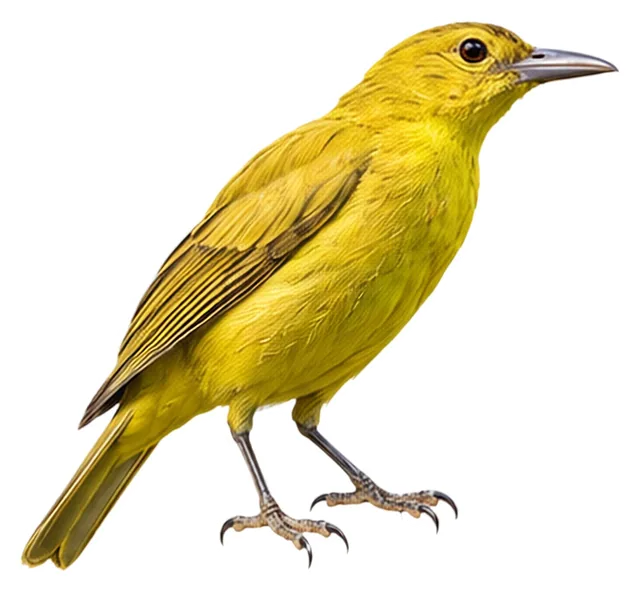
Isabela Oriole
Oriolus isabellae Ogilvie-Grant, 1894
46 gWeight
The Isabela oriole (Oriolus isabellae) is a species of the oriole family endemic to Luzon in the Philippines.
Where and when it's recorded
No records at the public birding hotspots we track. It may be rare, remote, or its locations protected.
About
The Isabela oriole (Oriolus isabellae) is a species of the oriole family endemic to Luzon in the Philippines. It is an oriole identified by its yellowish green plumage and a very large gray bill. This species was presumed to be extinct for many years until its rediscovery in December 1993 near Diffun, Quirino, and in Mansarong in September 1994.
Excerpt from Wikipedia, CC BY-SA 4.0 · authors · Read more on Wikipedia
Questions
How big is the Isabela Oriole?
The Isabela Oriole weighs around 46 g.
Where does the Isabela Oriole live?
Its breeding range: Oriental: northern Luzon (northern Philippines).
Is the Isabela Oriole endangered?
The IUCN Red List classifies the Isabela Oriole as Critically Endangered.
What does the Isabela Oriole eat?
Main food: Fruit.
What family is the Isabela Oriole in?
It belongs to the family Figbirds, Old World Orioles, Piopios (Oriolidae), order Passerines (Passeriformes).
At a glance
- Weight
- 46 g
- Habitat
- Forest
- Diet
- Fruit
- Lifestyle
- Perches in trees
- Migration
- Resident (barely migrates)
- Conservation
- Critically Endangered
More measurements
- Wing
- 113 mm
- Tail
- 82 mm
- Bill
- 28 mm
- Tarsus
- 24 mm
Averages from the AVONET dataset; length from field guides where available.
Range
Oriental: northern Luzon (northern Philippines)
Breeding range, IOC World Bird List 15.2
Classification
- Order
- Passerines Passeriformes
- Family
- Figbirds, Old World Orioles, Piopios Oriolidae
- Genus
- Oriolus
Other birds in the genus Oriolus
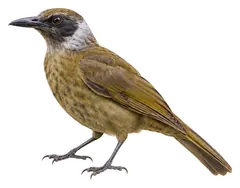 Grey-collared OrioleOriolus forsteni
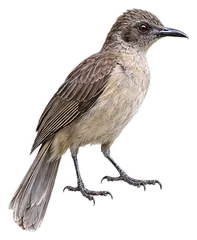 Black-eared OrioleOriolus bouroensis
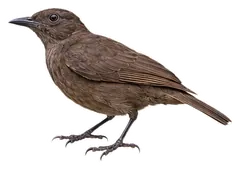 Dusky-brown OrioleOriolus phaeochromus
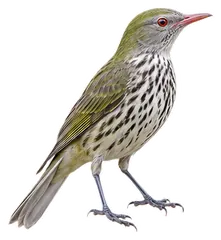 Olive-backed OrioleOriolus sagittatus
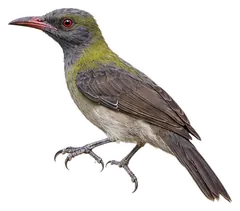 Timor OrioleOriolus melanotis
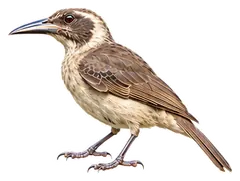 Wetar OrioleOriolus finschi
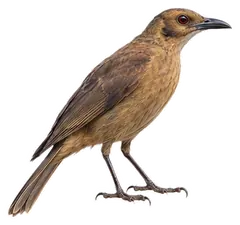 Tanimbar OrioleOriolus decipiens
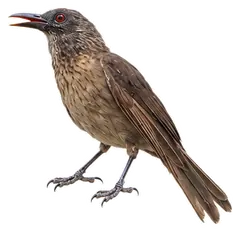 Brown OrioleOriolus szalayi
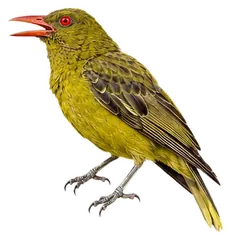 Green OrioleOriolus flavocinctus
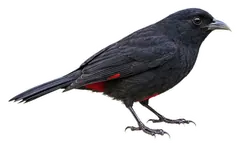 Javan OrioleOriolus cruentus
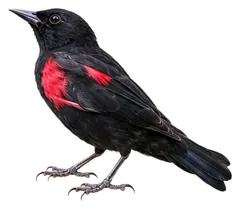 Black-and-crimson OrioleOriolus consanguineus
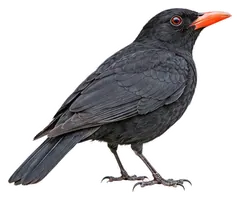 Black OrioleOriolus hosii
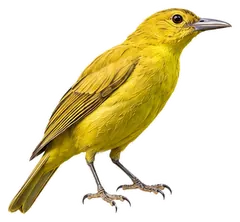
Download illustration
Free to use with credit: “Illustration: Bird Album (birdalbum.com)”. Drawn by AI from a reference photo by matthewkwan. ↗
Heard it but can't see it? Mingji identifies birds by sound and photo, on your phone.