 Bird Album
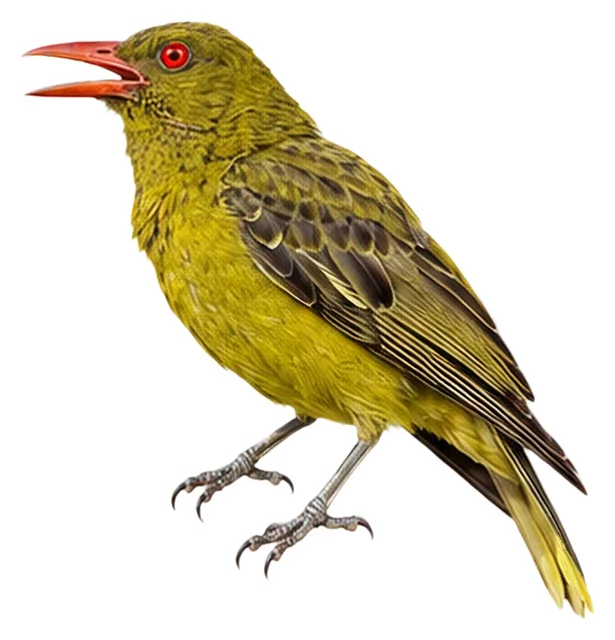
Green Oriole
Oriolus flavocinctus (King, PP, 1826)
109 gWeight
The green oriole or Australasian yellow oriole (Oriolus flavocinctus) is an inconspicuous inhabitant of lush tropical vegetation throughout Australia and New Guinea.
Busiest months: October · Most records: Australia
Where and when it's recorded
Busiest months: October · Most records: Australia

Green Oriole has been recorded at 32 of the 8,276 birding hotspots we track, in 1 country or region.
Records by month Southern Hemisphere
Where it's recorded most
- Cattana WetlandsAustralia2,536 records
- Daintree Village Boat CruiseAustralia1,707 records
- Keatings Lagoon Conservation ParkAustralia1,595 records
More places
- Cairns Botanical Gardens and Centenary LakesAustralia1,238 records
- Tyto WetlandsAustralia1,157 records
- Fogg Dam Conservation ReserveAustralia1,010 records
- George Brown Darwin Botanic GardensAustralia992 records
- Muirhead bushlandAustralia900 records
- Buffalo CreekAustralia774 records
- East Point Mangrove BoardwalkAustralia645 records
Countries and regions with the most records
eBird records via GBIF up to 2024-12-31. A record means someone listed it; more records partly mean more birders, not more birds.
About
The green oriole or Australasian yellow oriole (Oriolus flavocinctus) is an inconspicuous inhabitant of lush tropical vegetation throughout Australia and New Guinea.
Excerpt from Wikipedia, CC BY-SA 4.0 · authors · Read more on Wikipedia
Questions
How big is the Green Oriole?
The Green Oriole weighs around 109 g.
Where does the Green Oriole live?
Its breeding range: Australasia: eastern Lesser Sundas, southern New Guinea and northern Australia. It is most often recorded in Australia.
When is the best time to see the Green Oriole?
At the hotspots we track, it is recorded most in October (Southern Hemisphere).
Is the Green Oriole endangered?
The IUCN Red List classifies the Green Oriole as Least Concern.
What does the Green Oriole eat?
Main food: Fruit.
What family is the Green Oriole in?
It belongs to the family Figbirds, Old World Orioles, Piopios (Oriolidae), order Passerines (Passeriformes).
At a glance
- Weight
- 109 g
- Habitat
- Forest
- Diet
- Fruit
- Lifestyle
- Perches in trees
- Migration
- Resident (barely migrates)
- Conservation
- Least Concern
More measurements
- Wing
- 143 mm
- Tail
- 104 mm
- Bill
- 34 mm
- Tarsus
- 27 mm
Averages from the AVONET dataset; length from field guides where available.
Range
Australasia: eastern Lesser Sundas, southern New Guinea and northern Australia
Breeding range, IOC World Bird List 15.2
Classification
- Order
- Passerines Passeriformes
- Family
- Figbirds, Old World Orioles, Piopios Oriolidae
- Genus
- Oriolus
Other birds in the genus Oriolus
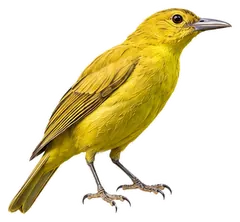 Isabela OrioleOriolus isabellae
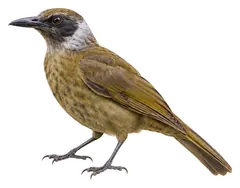 Grey-collared OrioleOriolus forsteni
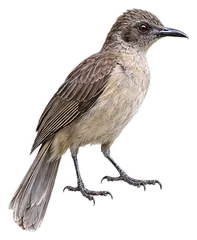 Black-eared OrioleOriolus bouroensis
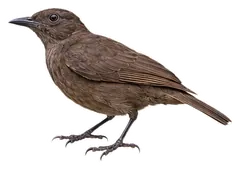 Dusky-brown OrioleOriolus phaeochromus
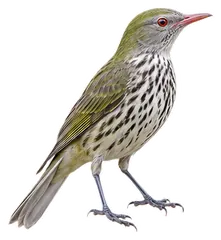 Olive-backed OrioleOriolus sagittatus
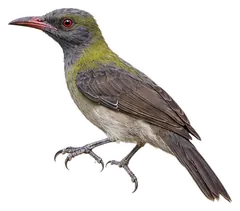 Timor OrioleOriolus melanotis
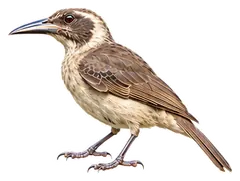 Wetar OrioleOriolus finschi
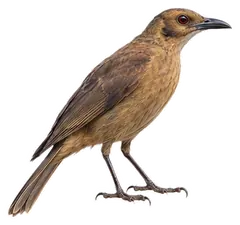 Tanimbar OrioleOriolus decipiens
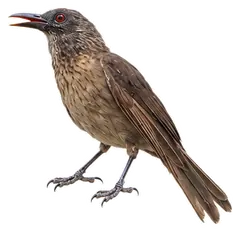 Brown OrioleOriolus szalayi
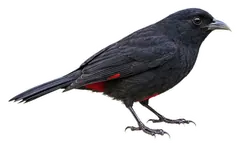 Javan OrioleOriolus cruentus
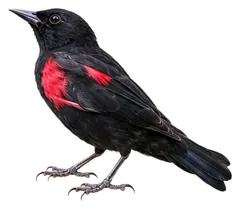 Black-and-crimson OrioleOriolus consanguineus
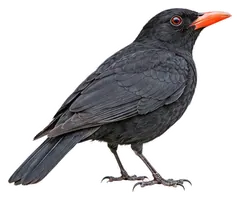 Black OrioleOriolus hosii
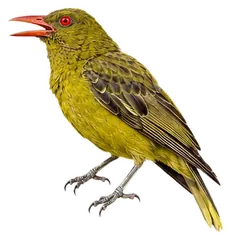
Download illustration
Free to use with credit: “Illustration: Bird Album (birdalbum.com)”. Drawn by AI from reference photos. ↗
Heard it but can't see it? Mingji identifies birds by sound and photo, on your phone.