 Bird Album
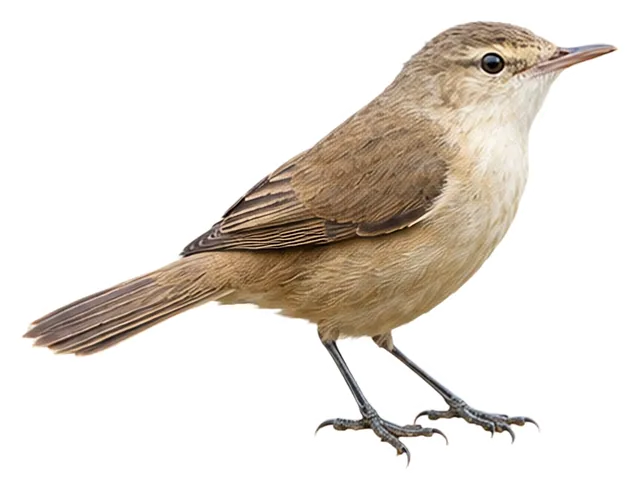
Australian Reed Warbler
Acrocephalus australis (Gould, 1838)
18 gWeight
The Australian reed warbler (Acrocephalus australis) is an acrocephalid warbler in the genus Acrocephalus and is the only Acrocephalus species native to Australia.
Busiest months: January and October · Most records: Australia, Papua New Guinea, Timor-Leste
Where and when it's recorded

Australian Reed Warbler has been recorded at 201 of the 8,171 birding hotspots we track, in 5 countries and regions.
Records by month Southern Hemisphere
Where it's recorded most
- Jerrabomberra Wetlands Nature ReserveAustralia6,687 records
- Western Treatment PlantAustralia4,773 records
- Sandy Camp Road WetlandsAustralia4,214 records
More places
- Herdsman LakeAustralia2,738 records
- Alice Springs Sewage PondsAustralia1,562 records
- Laratinga WetlandsAustralia1,226 records
- Oxley Creek CommonAustralia1,219 records
- Karkarook ParkAustralia1,118 records
- Jawbone Flora and Fauna ReserveAustralia1,013 records
- West Belconnen PondAustralia994 records
Countries and regions with the most records
eBird records via GBIF up to 2024-12-31. A record means someone listed it; more records partly mean more birders, not more birds.
About
The Australian reed warbler (Acrocephalus australis) is an acrocephalid warbler in the genus Acrocephalus and is the only Acrocephalus species native to Australia. It has also been observed in Papua New Guinea and nearby islands. The name Acrocephalus refers to the peaked crown found on reed warblers in this genus and can be translated to mean "topmost head" in Greek.
Excerpt from Wikipedia, CC BY-SA 4.0 · authors · Read more on Wikipedia
Questions
How big is the Australian Reed Warbler?
The Australian Reed Warbler weighs around 18 g.
Where does the Australian Reed Warbler live?
Its breeding range: Australasia: New Guinea region, Australia, eastern Bismarck Archipelago and Solomon Islands. It is most often recorded in Australia, Papua New Guinea and Timor-Leste.
When is the best time to see the Australian Reed Warbler?
At the hotspots we track, it is recorded most in January and October (Southern Hemisphere).
Is the Australian Reed Warbler endangered?
The IUCN Red List classifies the Australian Reed Warbler as Least Concern.
What does the Australian Reed Warbler eat?
Main food: Insects & other invertebrates.
What family is the Australian Reed Warbler in?
It belongs to the family Reed Warblers & Allies (Acrocephalidae), order Passerines (Passeriformes).
At a glance
- Weight
- 18 g
- Habitat
- Wetland
- Diet
- Insects & other invertebrates
- Lifestyle
- Perches in trees
- Migration
- Migratory
- Conservation
- Least Concern
More measurements
- Wing
- 72 mm
- Tail
- 67 mm
- Bill
- 20 mm
- Tarsus
- 24 mm
Averages from the AVONET dataset; length from field guides where available.
Range
Australasia: New Guinea region, Australia, eastern Bismarck Archipelago and Solomon Islands
Breeding range, IOC World Bird List 15.2
Classification
- Order
- Passerines Passeriformes
- Family
- Reed Warblers & Allies Acrocephalidae
- Genus
- Acrocephalus
Other birds in the genus Acrocephalus
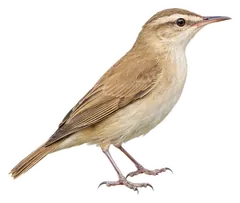 Basra Reed WarblerAcrocephalus griseldis
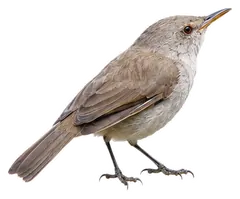 Cape Verde WarblerAcrocephalus brevipennis
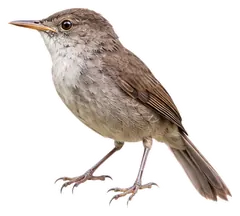 Greater Swamp WarblerAcrocephalus rufescens
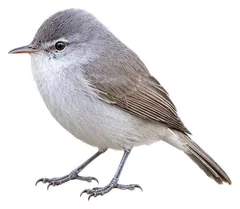 Lesser Swamp WarblerAcrocephalus gracilirostris
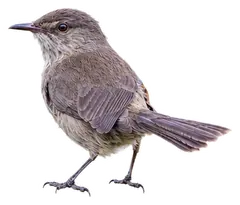 Madagascar Swamp WarblerAcrocephalus newtoni
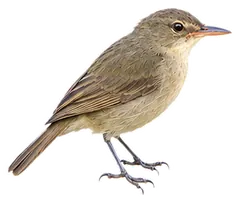 Seychelles WarblerAcrocephalus sechellensis
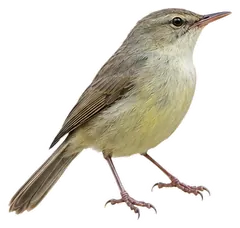 Rodrigues WarblerAcrocephalus rodericanus
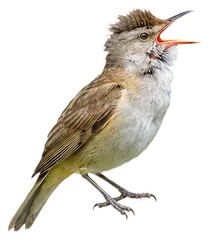 Great Reed WarblerAcrocephalus arundinaceus
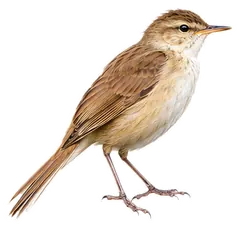 Oriental Reed WarblerAcrocephalus orientalis
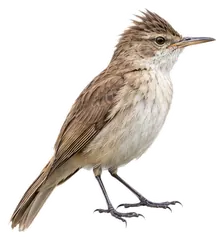 Clamorous Reed WarblerAcrocephalus stentoreus
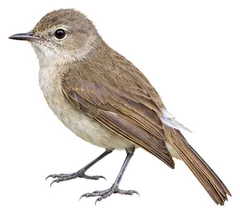 MillerbirdAcrocephalus familiaris
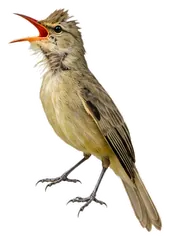 Saipan Reed WarblerAcrocephalus hiwae
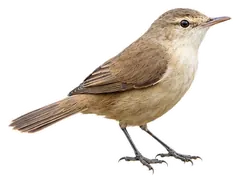
Download illustration
Free to use with credit: “Illustration: Bird Album (birdalbum.com)”. Drawn by AI from reference photos. ↗
Heard it but can't see it? Mingji identifies birds by sound and photo, on your phone.
In other languages
- EnglishAustralian Reed Warbler
- 简体中文澳洲苇莺
- 繁體中文澳洲葦鶯
- 日本語オーストラリアヨシキリ
- DeutschAustralrohrsänger
- FrançaisRousserolle d’Australie
- EspañolCarricero australiano
- Portuguêsfelosa-australiana
- ItalianoCannareccione australiano
- NederlandsAustralische Karekiet
- РусскийАвстралийская камышовка
- Svenskaaustralisk rörsångare
- DanskAustralsk Drosselrørsanger
- Polskitrzciniak australijski