 Bird Album
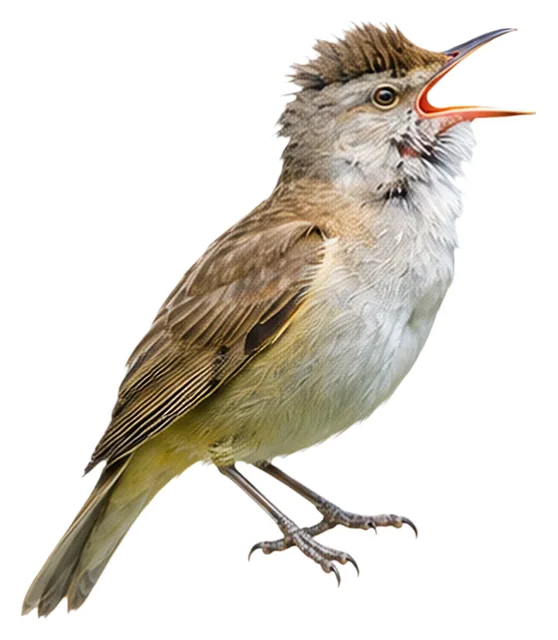
Great Reed Warbler
Acrocephalus arundinaceus (Linnaeus, 1758)
16–21 cmLength30 gWeight
It favors reedbeds during the breeding season and gives a loud, far-carrying song.
Busiest months: May · Most records: Spain, Israel, Poland
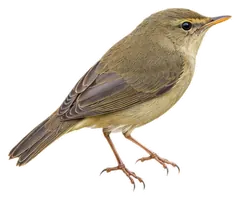
Looks like Common Reed Warbler
How to identify
Field marks
- Brown upperparts without streaks
- Dull buff-white chin and underparts
- Flat forehead and stout, sharp bill
- Distinct supercilium
Male, female and young
Sexes identical in appearance; juvenile has richer buff underparts.
Voice
Loud, far-carrying song combines chattering, harsh frog-like notes and whistles.
Similar species
Where and when it's recorded

Great Reed Warbler has been recorded at 1,034 of the 8,171 birding hotspots we track, in 95 countries and regions.
Records by month Northern Hemisphere
Where it's recorded most
- Aras Kuş Halkalama İstasyonuTürkiye1,132 records
- International Birding and Research Center Eilat (IBRCE)Israel927 records
- Marjal dels Moros – ÁreaSpain895 records
More places
- Poleg MarshIsrael774 records
- Laguna de la VeguillaSpain556 records
- El Hondo PNat – Centro de VisitantesSpain549 records
- Laguna de Pitillas RN – AreaSpain549 records
- Hides de Sa Roca i C. Informació, P.N. s'Albufera de MallorcaSpain530 records
- Embalse de Las Cañas RNSpain453 records
- Paul da BarrocaPortugal446 records
Countries and regions with the most records
eBird records via GBIF up to 2024-12-31. A record means someone listed it; more records partly mean more birders, not more birds.
About
The great reed warbler (Acrocephalus arundinaceus) is an insectivorous bird in the family Acrocephalidae. It is a medium-sized passerine bird and the largest of the warblers. It breeds throughout mainland Europe and the Western Palearctic and migrates to sub-Saharan Africa in the winter.
Excerpt from Wikipedia, CC BY-SA 4.0 · authors · Read more on Wikipedia
Questions
How big is the Great Reed Warbler?
The Great Reed Warbler is about 16–21 cm long and weighs around 30 g.
Where does the Great Reed Warbler live?
Its breeding range: Palearctic: western, central. It is most often recorded in Spain, Israel and Poland.
When is the best time to see the Great Reed Warbler?
At the hotspots we track, it is recorded most in May (Northern Hemisphere).
Is the Great Reed Warbler endangered?
The IUCN Red List classifies the Great Reed Warbler as Least Concern.
What does the Great Reed Warbler eat?
Main food: Insects & other invertebrates.
What family is the Great Reed Warbler in?
It belongs to the family Reed Warblers & Allies (Acrocephalidae), order Passerines (Passeriformes).
At a glance
- Length
- 16–21 cm
- Weight
- 30 g
- Habitat
- Wetland
- Diet
- Insects & other invertebrates
- Lifestyle
- Perches in trees
- Migration
- Migratory
- Conservation
- Least Concern
More measurements
- Wing
- 95 mm
- Tail
- 81 mm
- Bill
- 23 mm
- Tarsus
- 28 mm
Averages from the AVONET dataset; length from field guides where available.
Range
Palearctic: western, central
Breeding range, IOC World Bird List 15.2
Subspecies · 1
- Acrocephalus arundinaceus zarudnyi se European Russia and n Iran to nw Mongolia and nw China | non-breeding: Sub-Saharan Africa
Classification
- Order
- Passerines Passeriformes
- Family
- Reed Warblers & Allies Acrocephalidae
- Genus
- Acrocephalus
Other birds in the genus Acrocephalus
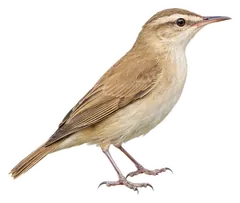 Basra Reed WarblerAcrocephalus griseldis
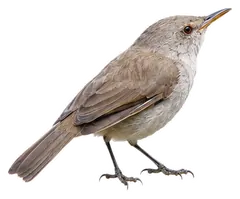 Cape Verde WarblerAcrocephalus brevipennis
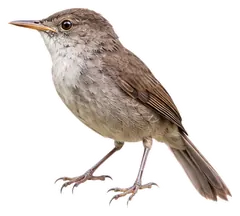 Greater Swamp WarblerAcrocephalus rufescens
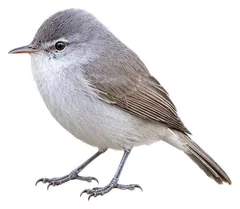 Lesser Swamp WarblerAcrocephalus gracilirostris
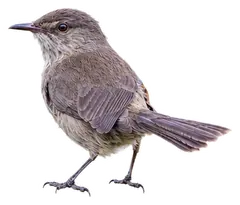 Madagascar Swamp WarblerAcrocephalus newtoni
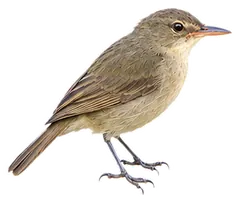 Seychelles WarblerAcrocephalus sechellensis
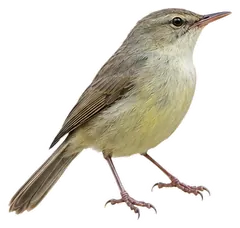 Rodrigues WarblerAcrocephalus rodericanus
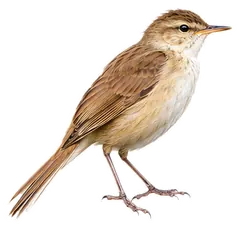 Oriental Reed WarblerAcrocephalus orientalis
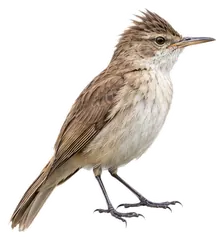 Clamorous Reed WarblerAcrocephalus stentoreus
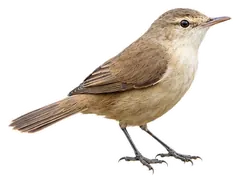 Australian Reed WarblerAcrocephalus australis
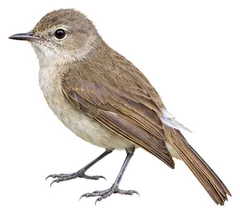 MillerbirdAcrocephalus familiaris
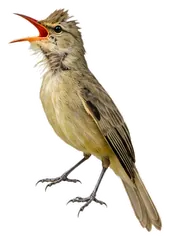 Saipan Reed WarblerAcrocephalus hiwae
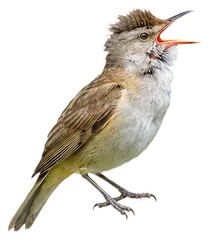
Download illustration
Free to use with credit: “Illustration: Bird Album (birdalbum.com)”. Drawn by AI from a reference photo by Анна Голубева. ↗
Heard it but can't see it? Mingji identifies birds by sound and photo, on your phone.
In other languages
- EnglishGreat Reed Warbler
- 简体中文大苇莺
- 繁體中文西方大葦鶯
- 日本語ニシオオヨシキリ
- DeutschDrosselrohrsänger
- FrançaisRousserolle turdoïde
- EspañolCarricero tordal
- Portuguêsrouxinol-grande-dos-caniços
- ItalianoCannareccione
- NederlandsGrote Karekiet
- РусскийДроздовидная камышовка
- Svenskatrastsångare
- DanskDrosselrørsanger
- Polskitrzciniak (zwyczajny)