 Bird Album
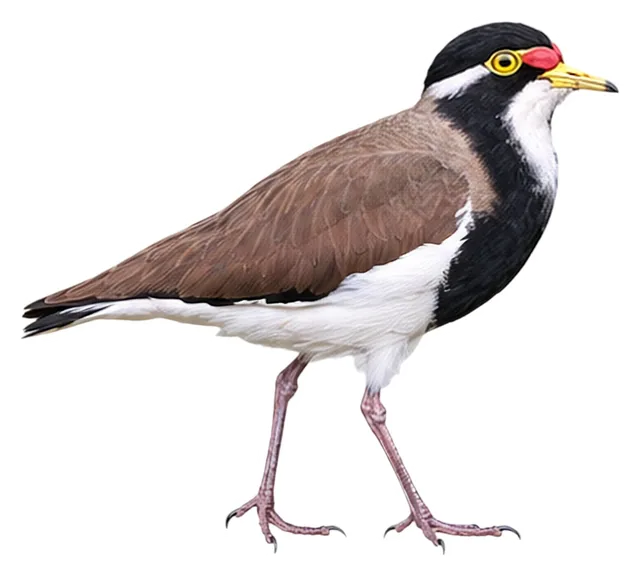
Banded Lapwing
Vanellus tricolor (Vieillot, 1818)
25 cmLength184 gWeight
The banded lapwing (Vanellus tricolor) is a small to medium-sized shorebird, found in small parties or large flocks on bare ground in open grasslands, agricultural land and open savannah.
Busiest months: October · Most records: Australia
Where and when it's recorded
Busiest months: October · Most records: Australia

Banded Lapwing has been recorded at 50 of the 8,276 birding hotspots we track, in 1 country or region.
Records by month Southern Hemisphere
Where it's recorded most
- Western Treatment PlantAustralia1,197 records
- Bowra Wildlife SanctuaryAustralia622 records
- Richmond LowlandsAustralia304 records
More places
- Alice Springs Sewage PondsAustralia57 records
- Bushells LagoonAustralia49 records
- Townsville Town Common Conservation ParkAustralia32 records
- Mosquito Creek RdAustralia30 records
- Atkinsons DamAustralia30 records
- Terrick Terrick National ParkAustralia28 records
- Western Treatment Plant – T Section PondsAustralia25 records
Countries and regions with the most records
eBird records via GBIF up to 2024-12-31. A record means someone listed it; more records partly mean more birders, not more birds.
About
The banded lapwing (Vanellus tricolor) is a small to medium-sized shorebird, found in small parties or large flocks on bare ground in open grasslands, agricultural land and open savannah. It is native to Australia and in the past considered as a game bird for hunting. Population estimate is 25 000 - 1 000 000.
Excerpt from Wikipedia, CC BY-SA 4.0 · authors · Read more on Wikipedia
Questions
How big is the Banded Lapwing?
The Banded Lapwing is about 25 cm long and weighs around 184 g.
Where does the Banded Lapwing live?
Its breeding range: Australasia: inland Australia (except northern, west-central) and Tasmania. It is most often recorded in Australia.
When is the best time to see the Banded Lapwing?
At the hotspots we track, it is recorded most in October (Southern Hemisphere).
Is the Banded Lapwing endangered?
The IUCN Red List classifies the Banded Lapwing as Least Concern.
What does the Banded Lapwing eat?
Main food: Omnivore.
What family is the Banded Lapwing in?
It belongs to the family Plovers (Charadriidae), order Charadriiformes.
At a glance
- Length
- 25 cm
- Weight
- 184 g
- Habitat
- Grassland
- Diet
- Omnivore
- Lifestyle
- Active on the ground
- Migration
- Resident (barely migrates)
- Conservation
- Least Concern
More measurements
- Wing
- 192 mm
- Tail
- 78 mm
- Bill
- 28 mm
- Tarsus
- 50 mm
Averages from the AVONET dataset; length from field guides where available.
Range
Australasia: inland Australia (except northern, west-central) and Tasmania
Breeding range, IOC World Bird List 15.2
Classification
- Order
- Charadriiformes
- Family
- Plovers Charadriidae
- Genus
- Vanellus
Other birds in the genus Vanellus
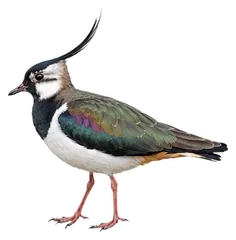 Northern LapwingVanellus vanellus
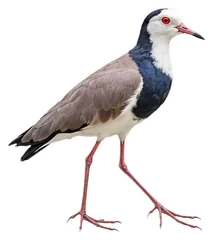 Long-toed LapwingVanellus crassirostris
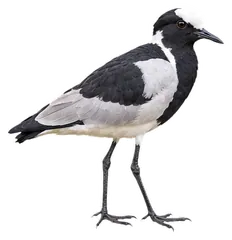 Blacksmith LapwingVanellus armatus
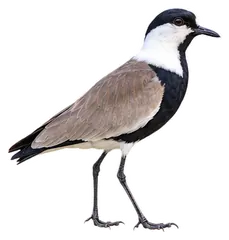 Spur-winged LapwingVanellus spinosus
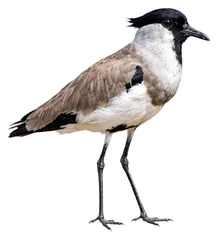 River LapwingVanellus duvaucelii
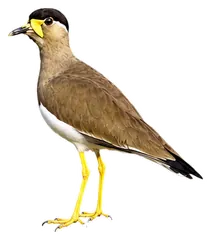 Yellow-wattled LapwingVanellus malabaricus
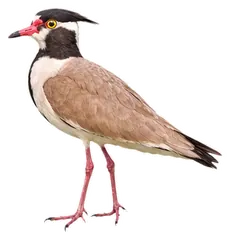 Black-headed LapwingVanellus tectus
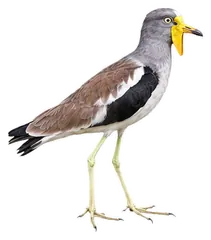 White-crowned LapwingVanellus albiceps
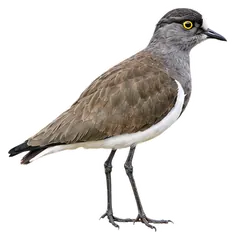 Senegal LapwingVanellus lugubris
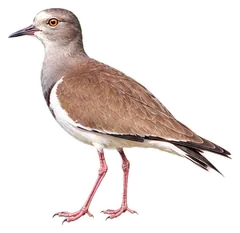 Black-winged LapwingVanellus melanopterus
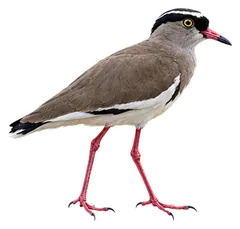 Crowned LapwingVanellus coronatus
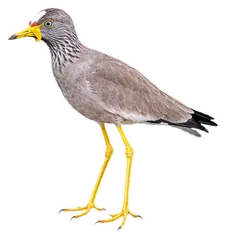 African Wattled LapwingVanellus senegallus
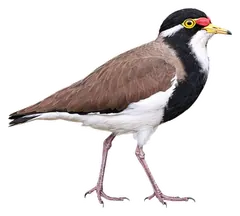
Download illustration
Free to use with credit: “Illustration: Bird Album (birdalbum.com)”. Drawn by AI from a reference photo by John Bromilow. ↗
Heard it but can't see it? Mingji identifies birds by sound and photo, on your phone.