 Bird Album
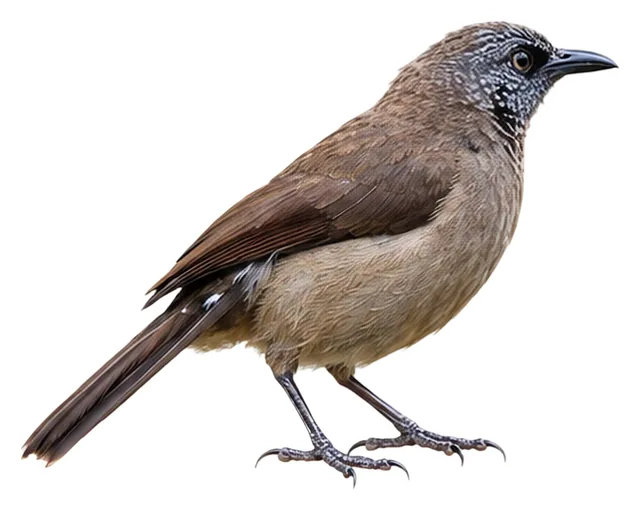
Black-faced Babbler
Turdoides melanops (Hartlaub, 1867)
21–25 cmLength77 gWeight
The black-faced babbler (Turdoides melanops) is a species of songbird in the family Leiothrichidae.
Busiest months: July, September and November · Most records: Namibia, Botswana, Angola
Where and when it's recorded

Black-faced Babbler has been recorded at 15 of the 8,171 birding hotspots we track, in 3 countries and regions.
Records by month Southern Hemisphere
Where it's recorded most
- Bwabwata NP – Mahango riverside loopNamibia25 records
- Tchincombe Mission FarmAngola21 records
- Drotsky's CabinsBotswana18 records
More places
- Bwabwata National Park – Buffalo Core AreaNamibia14 records
- Mahangu Safari LodgeNamibia11 records
- Bwabwata NP – Mahango Core AreaNamibia9 records
- Etosha NP – Namutoni CampNamibia7 records
- Okavango Delta – Shakawe River LodgeBotswana6 records
- Hakusembe LodgeNamibia5 records
- Ngepi CampNamibia3 records
Countries and regions with the most records
eBird records via GBIF up to 2024-12-31. A record means someone listed it; more records partly mean more birders, not more birds.
About
The black-faced babbler (Turdoides melanops) is a species of songbird in the family Leiothrichidae. It was once it was considered conspecific with the black-lored babbler, A. sharpei.
Excerpt from Wikipedia, CC BY-SA 4.0 · authors · Read more on Wikipedia
Questions
How big is the Black-faced Babbler?
The Black-faced Babbler is about 21–25 cm long and weighs around 77 g.
Where does the Black-faced Babbler live?
Its breeding range: Africa: southwestern. It is most often recorded in Namibia, Botswana and Angola.
When is the best time to see the Black-faced Babbler?
At the hotspots we track, it is recorded most in July, September and November (Southern Hemisphere).
Is the Black-faced Babbler endangered?
The IUCN Red List classifies the Black-faced Babbler as Least Concern.
What does the Black-faced Babbler eat?
Main food: Insects & other invertebrates.
What family is the Black-faced Babbler in?
It belongs to the family Laughingthrushes & Allies (Leiothrichidae), order Passerines (Passeriformes).
At a glance
- Length
- 21–25 cm
- Weight
- 77 g
- Habitat
- Woodland
- Diet
- Insects & other invertebrates
- Lifestyle
- Varied
- Migration
- Resident (barely migrates)
- Conservation
- Least Concern
More measurements
- Wing
- 110 mm
- Tail
- 116 mm
- Bill
- 26 mm
- Tarsus
- 34 mm
Averages from the AVONET dataset; length from field guides where available.
Range
Africa: southwestern
Breeding range, IOC World Bird List 15.2
Classification
- Order
- Passerines Passeriformes
- Family
- Laughingthrushes & Allies Leiothrichidae
- Genus
- Turdoides
Other birds in the genus Turdoides
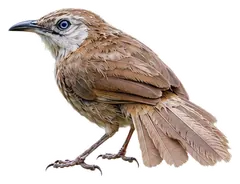 Spiny BabblerTurdoides nipalensis
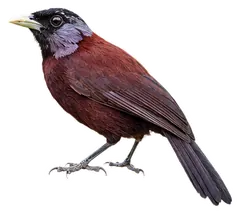 Capuchin BabblerTurdoides atripennis
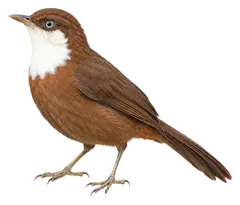 White-throated Mountain BabblerTurdoides gilberti
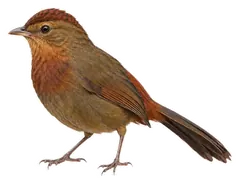 Chapin's BabblerTurdoides chapini
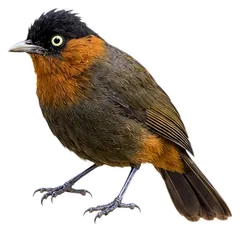 Red-collared BabblerTurdoides rufocinctus
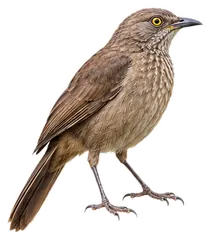 Brown BabblerTurdoides plebejus
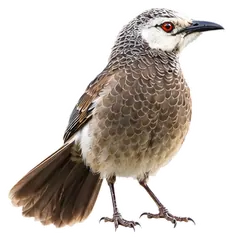 White-rumped BabblerTurdoides leucopygia
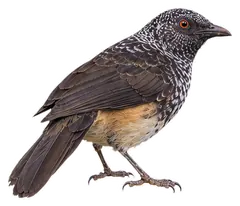 Hinde's BabblerTurdoides hindei
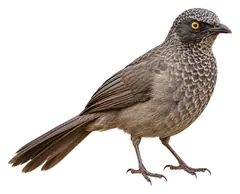 Scaly BabblerTurdoides squamulata
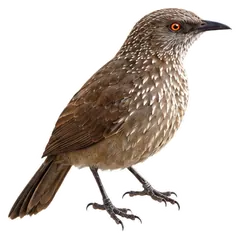 Arrow-marked BabblerTurdoides jardineii
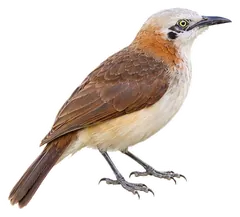 Bare-cheeked BabblerTurdoides gymnogenys
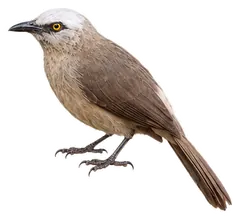 White-headed BabblerTurdoides leucocephala
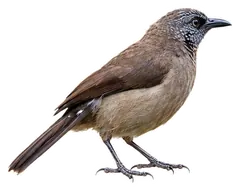
Download illustration
Free to use with credit: “Illustration: Bird Album (birdalbum.com)”. Drawn by AI from a reference photo by Joseph Morlan. ↗
Heard it but can't see it? Mingji identifies birds by sound and photo, on your phone.
In other languages
- EnglishBlack-faced Babbler
- 简体中文黑脸鸫鹛
- 繁體中文黑臉鶇鶥
- 日本語ハナグロヤブチメドリ
- DeutschSchwarzgesicht-Drosselhäherling
- FrançaisCratérope masqué
- EspañolTurdoide enmascarado
- Portuguêszaragateiro-do-cunene
- ItalianoGarrulo faccianera
- NederlandsZwartteugelbabbelaar
- РусскийЧернолицая дроздовка
- Svenskaovamboskriktrast
- DanskSorttøjlet Larmdrossel
- Polskitymal namibijski