 Bird Album
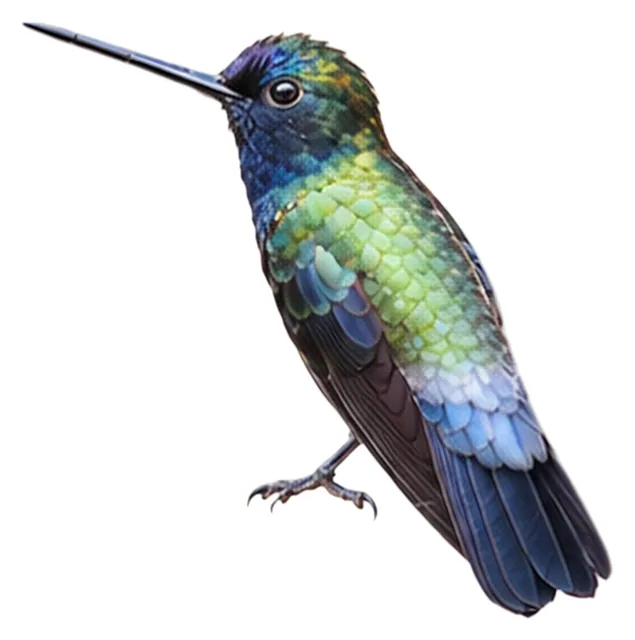
Blue-fronted Lancebill
Doryfera johannae (Bourcier, 1847)
4.8 gWeight
The blue-fronted lancebill (Doryfera johannae) is a species of hummingbird in the family Trochilidae.
Busiest months: February–March and July · Most records: Ecuador, Peru, Colombia
Where and when it's recorded

Blue-fronted Lancebill has been recorded at 36 of the 8,276 birding hotspots we track, in 4 countries and regions.
Records by month Southern Hemisphere
Where it's recorded most
- WildSumaco LodgeEcuador1,161 records
- Reserva Arena BlancaPeru558 records
- Asociacion para La Conservacion de Aves y La Biodiversidad Koepcke's HermitPeru504 records
More places
- Reserva Biologica del Rio BigalEcuador384 records
- Bosque BavariaColombia380 records
- Reserva Natural La Isla EscondidaColombia294 records
- Jardín de Colibries y Mirador Pico de HozPeru118 records
- Sumaco RoadEcuador118 records
- Wayra ReserveEcuador107 records
- Vereda CampucanaColombia41 records
Countries and regions with the most records
eBird records via GBIF up to 2024-12-31. A record means someone listed it; more records partly mean more birders, not more birds.
About
The blue-fronted lancebill (Doryfera johannae) is a species of hummingbird in the family Trochilidae. It is found in Brazil, Colombia, Ecuador, Guyana, Peru, and Venezuela.
Excerpt from Wikipedia, CC BY-SA 4.0 · authors · Read more on Wikipedia
Questions
How big is the Blue-fronted Lancebill?
The Blue-fronted Lancebill weighs around 4.8 g.
Where does the Blue-fronted Lancebill live?
Its breeding range: South America: northern, northwestern Amazonia. It is most often recorded in Ecuador, Peru and Colombia.
When is the best time to see the Blue-fronted Lancebill?
At the hotspots we track, it is recorded most in February, March and July (Southern Hemisphere).
Is the Blue-fronted Lancebill endangered?
The IUCN Red List classifies the Blue-fronted Lancebill as Least Concern.
What does the Blue-fronted Lancebill eat?
Main food: Nectar.
What family is the Blue-fronted Lancebill in?
It belongs to the family Hummingbirds (Trochilidae), order Apodiformes.
At a glance
- Weight
- 4.8 g
- Habitat
- Forest
- Diet
- Nectar
- Lifestyle
- Feeds in the air
- Migration
- Resident (barely migrates)
- Conservation
- Least Concern
More measurements
- Wing
- 53 mm
- Tail
- 28 mm
- Bill
- 31 mm
- Tarsus
- 5 mm
Averages from the AVONET dataset; length from field guides where available.
Range
South America: northern, northwestern Amazonia
Breeding range, IOC World Bird List 15.2
Classification
- Order
- Apodiformes
- Family
- Hummingbirds Trochilidae
- Genus
- Doryfera
Other birds in the genus Doryfera
 Green-fronted LancebillDoryfera ludovicae
 Crimson TopazTopaza pella
 Fiery TopazTopaza pyra
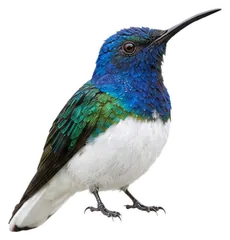 White-necked JacobinFlorisuga mellivora
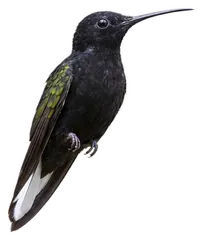 Black JacobinFlorisuga fusca
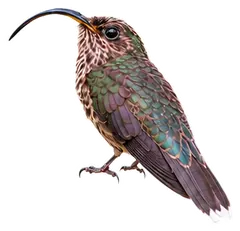 White-tipped SicklebillEutoxeres aquila
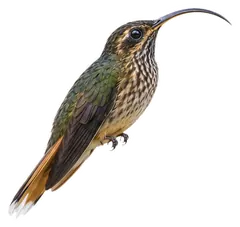 Buff-tailed SicklebillEutoxeres condamini
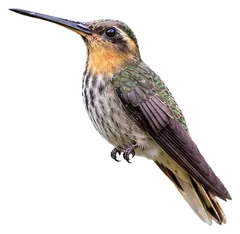 Saw-billed HermitRamphodon naevius
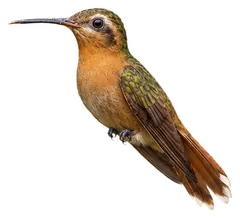 Hook-billed HermitGlaucis dohrnii
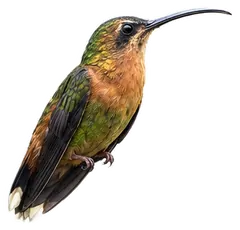 Bronzy HermitGlaucis aeneus
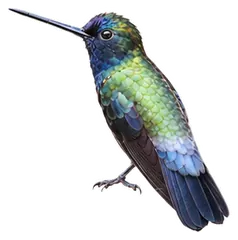
Download illustration
Free to use with credit: “Illustration: Bird Album (birdalbum.com)”. Drawn by AI from a reference photo by Allen Chartier. ↗
Heard it but can't see it? Mingji identifies birds by sound and photo, on your phone.
In other languages
- EnglishBlue-fronted Lancebill
- 简体中文蓝额矛嘴蜂鸟
- 繁體中文藍額矛嘴蜂鳥
- 日本語スミレビタイヤリハチドリ
- DeutschBlaustirn-Lanzettschnabel
- FrançaisPorte-lance de Jeanne
- EspañolColibrí picolanza menor
- Portuguêsbico-de-lança-de-testa-azul
- ItalianoLanciere fronteblu
- NederlandsBlauwvoorhoofdlancetkolibrie
- РусскийСинелобый ланцетоклюв
- Svenskablåpannad lansnäbb
- DanskBlå Lansenæb
- Polskiwłócznik modroczelny