 Bird Album
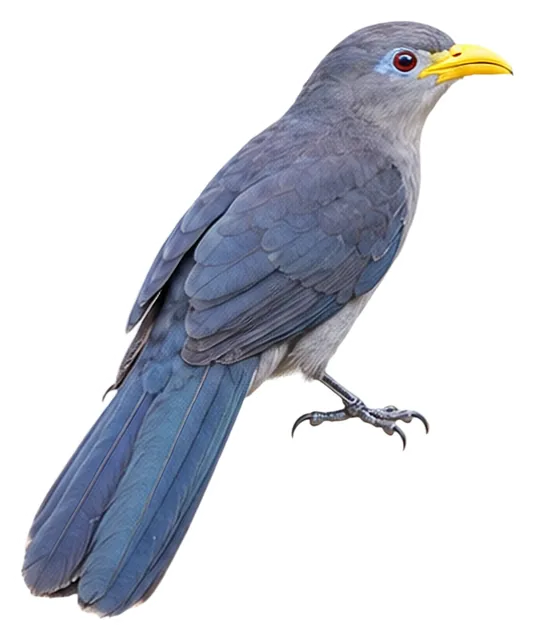
Blue Malkoha
Ceuthmochares aereus (Vieillot, 1817)
66 gWeight
The blue malkoha or chattering yellowbill (Ceuthmochares aereus) is a species of cuckoo in the family Cuculidae.
Busiest months: March and November · Most records: Ghana, Uganda, Kenya
Where and when it's recorded

Blue Malkoha has been recorded at 149 of the 8,276 birding hotspots we track, in 21 countries and regions.
Records by month Northern Hemisphere
Where it's recorded most
- Bobiri Butterfly SanctuaryGhana336 records
- Atewa Range – upland forest & ridgeGhana324 records
- Kakum NP – CanopyGhana300 records
More places
- Kibale NPUganda271 records
- Budongo Forest Reserve – Royal MileUganda235 records
- Kakum NP – Canopy Walkway & vicinityGhana193 records
- Kakum National ParkGhana170 records
- Ankasa NPGhana153 records
- Kakamega Forest NRKenya131 records
- Atewa – farm scrub and degraded forestGhana128 records
Countries and regions with the most records
eBird records via GBIF up to 2024-12-31. A record means someone listed it; more records partly mean more birders, not more birds.
About
The blue malkoha or chattering yellowbill (Ceuthmochares aereus) is a species of cuckoo in the family Cuculidae. It was formerly conspecific with the green malkoha until split in 2016. It is widely distributed across the African tropical rainforest.
Excerpt from Wikipedia, CC BY-SA 4.0 · authors · Read more on Wikipedia
Questions
How big is the Blue Malkoha?
The Blue Malkoha weighs around 66 g.
Where does the Blue Malkoha live?
Its breeding range: Africa: western, central. It is most often recorded in Ghana, Uganda and Kenya.
When is the best time to see the Blue Malkoha?
At the hotspots we track, it is recorded most in March and November (Northern Hemisphere).
Is the Blue Malkoha endangered?
The IUCN Red List classifies the Blue Malkoha as Least Concern.
What does the Blue Malkoha eat?
Main food: Insects & other invertebrates.
What family is the Blue Malkoha in?
It belongs to the family Cuckoos (Cuculidae), order Cuculiformes.
At a glance
- Weight
- 66 g
- Habitat
- Forest
- Diet
- Insects & other invertebrates
- Lifestyle
- Perches in trees
- Migration
- Resident (barely migrates)
- Conservation
- Least Concern
More measurements
- Wing
- 117 mm
- Tail
- 185 mm
- Bill
- 27 mm
- Tarsus
- 28 mm
Averages from the AVONET dataset; length from field guides where available.
Range
Africa: western, central
Breeding range, IOC World Bird List 15.2
Classification
- Order
- Cuculiformes
- Family
- Cuckoos Cuculidae
- Genus
- Ceuthmochares
Other birds in the genus Ceuthmochares
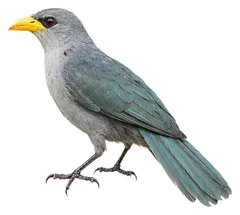 Green MalkohaCeuthmochares australis
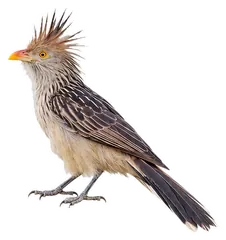 Guira CuckooGuira guira
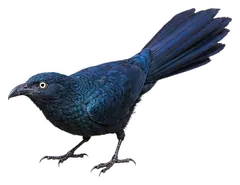 Greater AniCrotophaga major
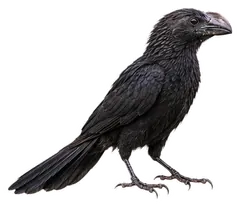 Smooth-billed AniCrotophaga ani
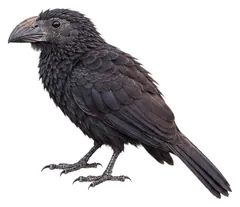 Groove-billed AniCrotophaga sulcirostris
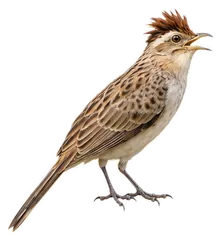 Striped CuckooTapera naevia
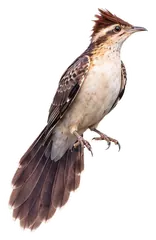 Pheasant CuckooDromococcyx phasianellus
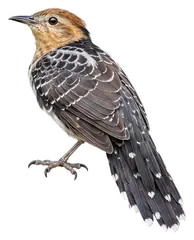 Pavonine CuckooDromococcyx pavoninus
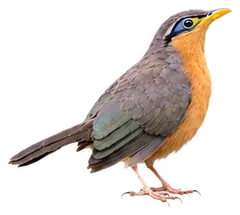 Lesser Ground CuckooMorococcyx erythropygus
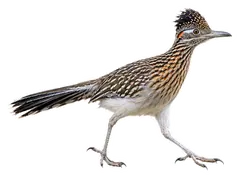 Greater RoadrunnerGeococcyx californianus
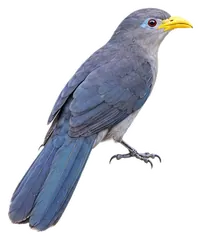
Download illustration
Free to use with credit: “Illustration: Bird Album (birdalbum.com)”. Drawn by AI from a reference photo by Nik Borrow. ↗
Heard it but can't see it? Mingji identifies birds by sound and photo, on your phone.