 Bird Album
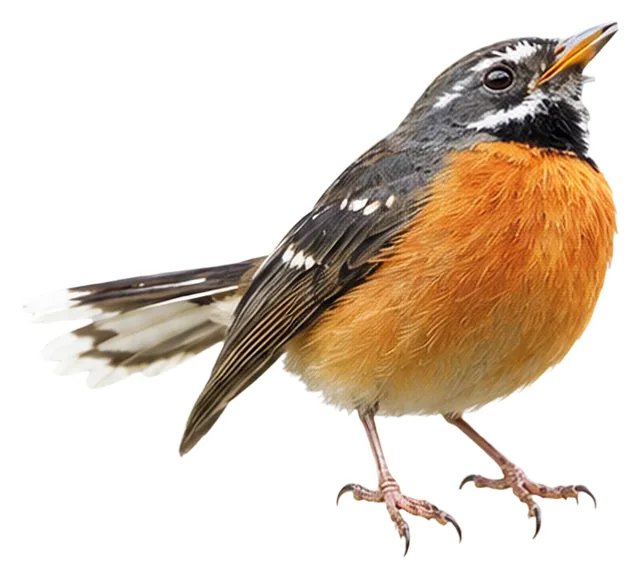
Chestnut-bellied Fantail
Rhipidura hyperythra Gray, GR, 1858
11 gWeight
The chestnut-bellied fantail (Rhipidura hyperythra) is a species of bird in the family Rhipiduridae.
Busiest months: July · Most records: Papua New Guinea, Indonesia
Where and when it's recorded

Chestnut-bellied Fantail has been recorded at 12 of the 8,171 birding hotspots we track, in 2 countries and regions.
Records by month Southern Hemisphere
Where it's recorded most
- Varirata National ParkPapua New Guinea831 records
- Sera (formerly Crater Mountain) Biological Research StationPapua New Guinea42 records
- Arfak Mtns – MaybriIndonesia25 records
More places
- Minggre Birdwatching HomestayIndonesia7 records
- MalagufukIndonesia4 records
- Brown River/Vanapa River lowlandsPapua New Guinea3 records
- Dablin Creek RoadPapua New Guinea2 records
- Highlands Hwy – above Ambua Lodge to Tari GapPapua New Guinea2 records
- Elevala RiverPapua New Guinea1 record
- Tari GapPapua New Guinea1 record
Countries and regions with the most records
eBird records via GBIF up to 2024-12-31. A record means someone listed it; more records partly mean more birders, not more birds.
About
The chestnut-bellied fantail (Rhipidura hyperythra) is a species of bird in the family Rhipiduridae.
Excerpt from Wikipedia, CC BY-SA 4.0 · authors · Read more on Wikipedia
Questions
How big is the Chestnut-bellied Fantail?
The Chestnut-bellied Fantail weighs around 11 g.
Where does the Chestnut-bellied Fantail live?
Its breeding range: Australasia: New Guinea and satellites. It is most often recorded in Papua New Guinea and Indonesia.
When is the best time to see the Chestnut-bellied Fantail?
At the hotspots we track, it is recorded most in July (Southern Hemisphere).
Is the Chestnut-bellied Fantail endangered?
The IUCN Red List classifies the Chestnut-bellied Fantail as Least Concern.
What does the Chestnut-bellied Fantail eat?
Main food: Insects & other invertebrates.
What family is the Chestnut-bellied Fantail in?
It belongs to the family Fantails (Rhipiduridae), order Passerines (Passeriformes).
At a glance
- Weight
- 11 g
- Habitat
- Forest
- Diet
- Insects & other invertebrates
- Lifestyle
- Perches in trees
- Migration
- Resident (barely migrates)
- Conservation
- Least Concern
More measurements
- Wing
- 78 mm
- Tail
- 79 mm
- Bill
- 14 mm
- Tarsus
- 16 mm
Averages from the AVONET dataset; length from field guides where available.
Range
Australasia: New Guinea and satellites
Breeding range, IOC World Bird List 15.2
Classification
- Order
- Passerines Passeriformes
- Family
- Fantails Rhipiduridae
- Genus
- Rhipidura
Other birds in the genus Rhipidura
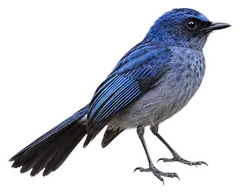 Mindanao Blue FantailRhipidura superciliaris
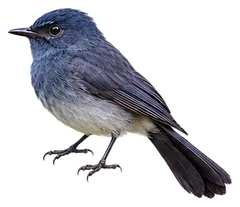 Visayan Blue FantailRhipidura samarensis
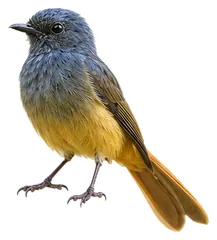 Blue-headed FantailRhipidura cyaniceps
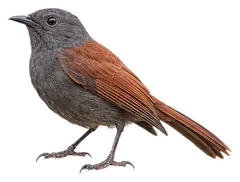 Tablas FantailRhipidura sauli
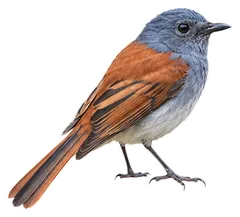 Visayan FantailRhipidura albiventris
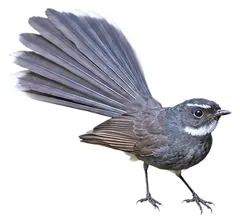 White-throated FantailRhipidura albicollis
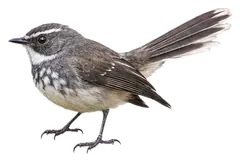 White-spotted FantailRhipidura albogularis
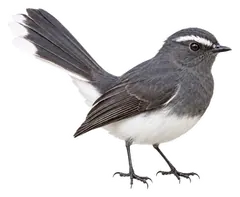 White-bellied FantailRhipidura euryura
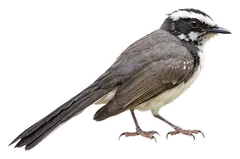 White-browed FantailRhipidura aureola
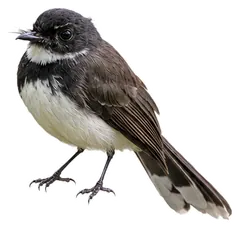 Sunda Pied FantailRhipidura javanica
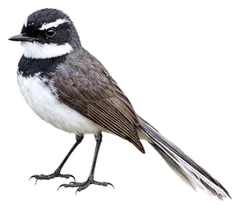 Philippine Pied FantailRhipidura nigritorquis
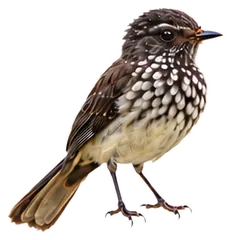 Spotted FantailRhipidura perlata
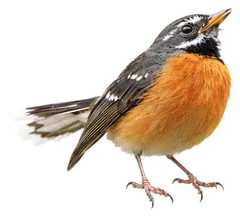
Download illustration
Free to use with credit: “Illustration: Bird Album (birdalbum.com)”. Drawn by AI from a reference photo by Markus Lilje. ↗
Heard it but can't see it? Mingji identifies birds by sound and photo, on your phone.
In other languages
- EnglishChestnut-bellied Fantail
- 简体中文栗腹扇尾鹟
- 繁體中文栗腹扇尾鶲
- 日本語チャバラオウギビタキ
- DeutschBraunbauch-Fächerschwanz
- FrançaisRhipidure à ventre roux
- EspañolAbanico ventrirrufo
- Portuguêsrabo-de-leque-de-ventre-castanho
- ItalianoCodaventaglio panciacastana
- NederlandsBruinbuikwaaierstaart
- РусскийКоричневобрюхая веерохвостка
- Svenskakastanjebukig solfjäderstjärt
- DanskKastanjebuget Viftehale
- Polskiwachlarzówka rudobrzucha