 Bird Album
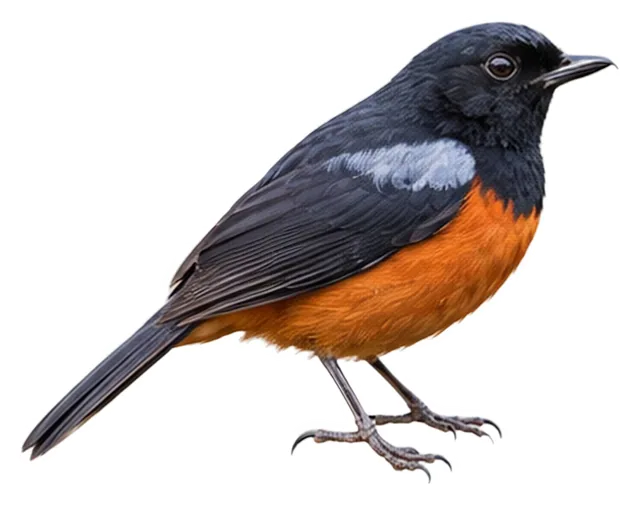
Chestnut-bellied Flowerpiercer
Diglossa gloriosissima Chapman, 1912
14–15 cmLength14 gWeight
The chestnut-bellied flowerpiercer (Diglossa gloriosissima) is a species of bird in the family Thraupidae.
Busiest months: February–March, August and November · Most records: Colombia
Where and when it's recorded

Chestnut-bellied Flowerpiercer has been recorded at 11 of the 8,171 birding hotspots we track, in 1 country or region.
Records by month Northern Hemisphere
Where it's recorded most
- PNN Tatamá – Base Militar MontezumaColombia1,514 records
- PNN Tatamá – Camino MontezumaColombia580 records
- Colibrí del Sol ProAves ReserveColombia360 records
More places
- PNN Tatamá – Cerro Montezuma-Los ChorrosColombia210 records
- Camino Montezuma – Montezuma Rainforest LodgeColombia85 records
- Camino Montezuma – Los CajonesColombia30 records
- Las Tangaras ProAves ReserveColombia9 records
- Camino Montezuma – La ClaritaColombia5 records
- RNA Loro OrejiamarilloColombia5 records
- RNA Las Tangaras – SendasColombia3 records
Countries and regions with the most records
eBird records via GBIF up to 2024-12-31. A record means someone listed it; more records partly mean more birders, not more birds.
About
The chestnut-bellied flowerpiercer (Diglossa gloriosissima) is a species of bird in the family Thraupidae. It is endemic to Colombia.
Excerpt from Wikipedia, CC BY-SA 4.0 · authors · Read more on Wikipedia
Questions
How big is the Chestnut-bellied Flowerpiercer?
The Chestnut-bellied Flowerpiercer is about 14–15 cm long and weighs around 14 g.
Where does the Chestnut-bellied Flowerpiercer live?
Its breeding range: South America: Colombia. It is most often recorded in Colombia.
When is the best time to see the Chestnut-bellied Flowerpiercer?
At the hotspots we track, it is recorded most in February, March, August and November (Northern Hemisphere).
Is the Chestnut-bellied Flowerpiercer endangered?
The IUCN Red List classifies the Chestnut-bellied Flowerpiercer as Near Threatened.
What does the Chestnut-bellied Flowerpiercer eat?
Main food: Nectar.
What family is the Chestnut-bellied Flowerpiercer in?
It belongs to the family Tanagers & Allies (Thraupidae), order Passerines (Passeriformes).
At a glance
- Length
- 14–15 cm
- Weight
- 14 g
- Habitat
- Shrubland
- Diet
- Nectar
- Lifestyle
- Perches in trees
- Migration
- Resident (barely migrates)
- Conservation
- Near Threatened
More measurements
- Wing
- 73 mm
- Tail
- 63 mm
- Bill
- 16 mm
- Tarsus
- 24 mm
Averages from the AVONET dataset; length from field guides where available.
Range
South America: Colombia
Breeding range, IOC World Bird List 15.2
Classification
- Order
- Passerines Passeriformes
- Family
- Tanagers & Allies Thraupidae
- Genus
- Diglossa
Other birds in the genus Diglossa
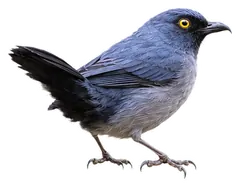 Golden-eyed FlowerpiercerDiglossa glauca
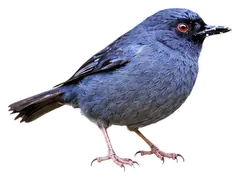 Bluish FlowerpiercerDiglossa caerulescens
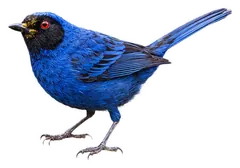 Warbling Masked FlowerpiercerDiglossa cyanea
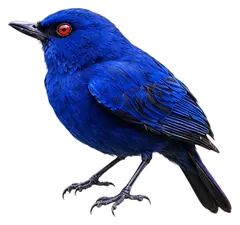 Indigo FlowerpiercerDiglossa indigotica
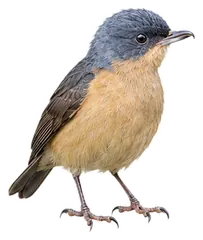 Rusty FlowerpiercerDiglossa sittoides
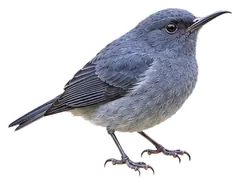 Slaty FlowerpiercerDiglossa plumbea
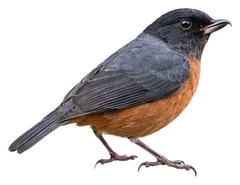 Cinnamon-bellied FlowerpiercerDiglossa baritula
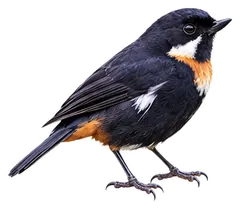 Moustached FlowerpiercerDiglossa mystacalis
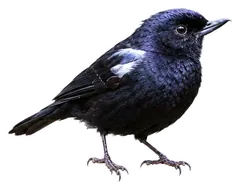 Glossy FlowerpiercerDiglossa lafresnayii
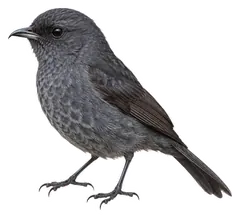 Scaled FlowerpiercerDiglossa duidae
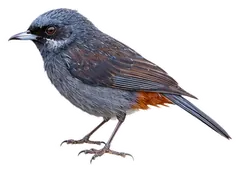 Greater FlowerpiercerDiglossa major
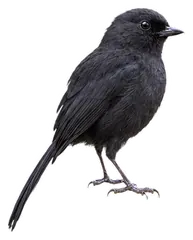 Venezuelan FlowerpiercerDiglossa venezuelensis
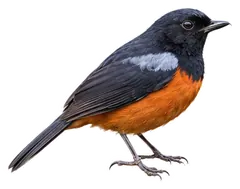
Download illustration
Free to use with credit: “Illustration: Bird Album (birdalbum.com)”. Drawn by AI from a reference photo by David Monroy R. ↗
Heard it but can't see it? Mingji identifies birds by sound and photo, on your phone.
In other languages
- EnglishChestnut-bellied Flowerpiercer
- 简体中文栗腹刺花鸟
- 繁體中文栗腹刺花鳥
- 日本語チャバラハナサシミツドリ
- DeutschMaronenbauch-Hakenschnabel
- FrançaisPercefleur à ventre marron
- EspañolPinchaflor ventrirrufo
- Portuguêsfura-flor-de-barriga-ruiva
- ItalianoBucafiori panciacastana
- NederlandsRoestbuikberghoningkruiper
- РусскийКаштановобрюхий цветокол
- Svenskakastanjebukig blomstickare
- DanskKastanjebuget Blomsterborer
- Polskihaczykodziobek epoletowy