 Bird Album
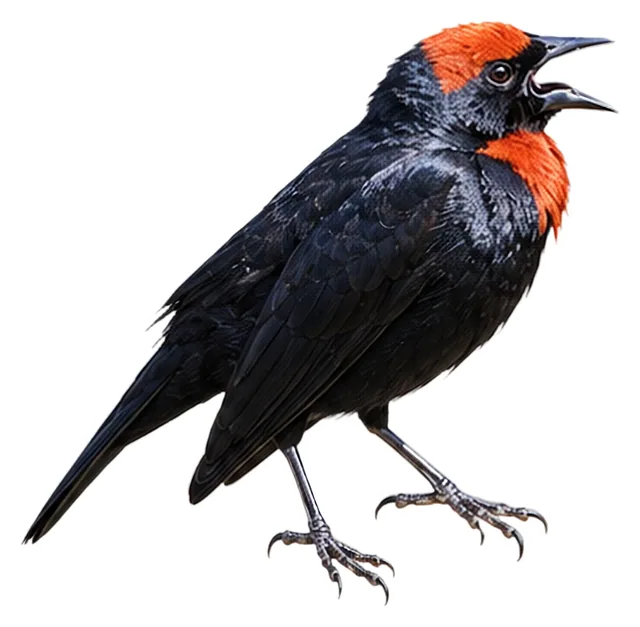
Chestnut-capped Blackbird
Chrysomus ruficapillus (Vieillot, 1819)
18 cmLength32 gWeight
The chestnut-capped blackbird (Chrysomus ruficapillus) is a species of bird in the family Icteridae, the oropendolas, New World orioles, and New World blackbirds.
Busiest months: October–November · Most records: Argentina, Brazil, Paraguay
Where and when it's recorded
Busiest months: October–November · Most records: Argentina, Brazil, Paraguay

Chestnut-capped Blackbird has been recorded at 199 of the 8,276 birding hotspots we track, in 5 countries and regions.
Records by month Southern Hemisphere
Where it's recorded most
- Reserva Ecológica Costanera SurArgentina1,227 records
- Parque Linear Nove de JulhoBrazil649 records
- Reserva Ecológica de GuapiaçuBrazil575 records
More places
- Floresta Estadual Edmundo Navarro de AndradeBrazil533 records
- CeibasArgentina515 records
- Reserva Ambiental Aguada de los PájarosArgentina456 records
- Reserva Natural Urbana del OesteArgentina437 records
- Ceibas – TerraplénArgentina414 records
- Ceibas – camino Cuatro HermanasArgentina383 records
- Arrozais de Tremembé – Estrada do KanegaeBrazil367 records
Countries and regions with the most records
eBird records via GBIF up to 2024-12-31. A record means someone listed it; more records partly mean more birders, not more birds.
About
The chestnut-capped blackbird (Chrysomus ruficapillus) is a species of bird in the family Icteridae, the oropendolas, New World orioles, and New World blackbirds. It is found in Argentina, Bolivia, Brazil, Paraguay, and Uruguay.
Excerpt from Wikipedia, CC BY-SA 4.0 · authors · Read more on Wikipedia
Questions
How big is the Chestnut-capped Blackbird?
The Chestnut-capped Blackbird is about 18 cm long and weighs around 32 g.
Where does the Chestnut-capped Blackbird live?
Its breeding range: South America: northeastern, south-central. It is most often recorded in Argentina, Brazil and Paraguay.
When is the best time to see the Chestnut-capped Blackbird?
At the hotspots we track, it is recorded most in October and November (Southern Hemisphere).
Is the Chestnut-capped Blackbird endangered?
The IUCN Red List classifies the Chestnut-capped Blackbird as Least Concern.
What does the Chestnut-capped Blackbird eat?
Main food: Seeds.
What family is the Chestnut-capped Blackbird in?
It belongs to the family Oropendolas, New World Orioles, Blackbirds (Icteridae), order Passerines (Passeriformes).
At a glance
- Length
- 18 cm
- Weight
- 32 g
- Habitat
- Wetland
- Diet
- Seeds
- Lifestyle
- Perches in trees
- Migration
- Migratory
- Conservation
- Least Concern
More measurements
- Wing
- 90 mm
- Tail
- 66 mm
- Bill
- 20 mm
- Tarsus
- 26 mm
Averages from the AVONET dataset; length from field guides where available.
Range
South America: northeastern, south-central
Breeding range, IOC World Bird List 15.2
Classification
- Order
- Passerines Passeriformes
- Family
- Oropendolas, New World Orioles, Blackbirds Icteridae
- Genus
- Chrysomus
Other birds in the genus Chrysomus
 Yellow-hooded BlackbirdChrysomus icterocephalus
 Yellow-breasted ChatIcteria virens
 Yellow-headed BlackbirdXanthocephalus xanthocephalus
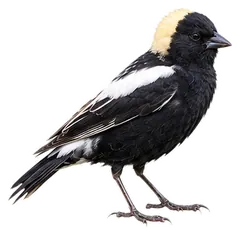 BobolinkDolichonyx oryzivorus
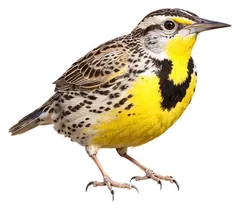 Western MeadowlarkSturnella neglecta
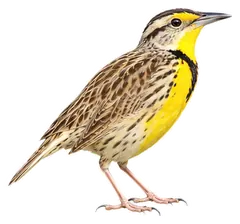 Eastern MeadowlarkSturnella magna
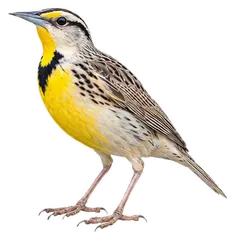 Chihuahuan MeadowlarkSturnella lilianae
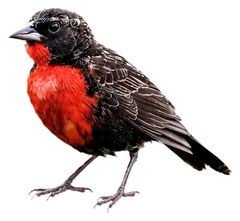 Red-breasted MeadowlarkLeistes militaris
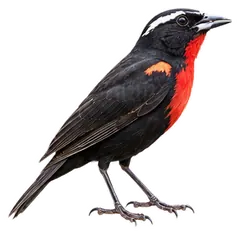 White-browed MeadowlarkLeistes superciliaris
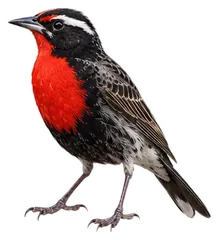 Peruvian MeadowlarkLeistes bellicosus
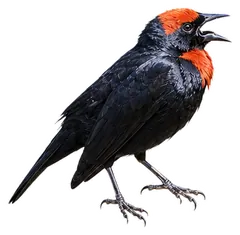
Download illustration
Free to use with credit: “Illustration: Bird Album (birdalbum.com)”. Drawn by AI from a reference photo by Rodrigo Conte. ↗
Heard it but can't see it? Mingji identifies birds by sound and photo, on your phone.
In other languages
- EnglishChestnut-capped Blackbird
- 简体中文栗顶黑鹂
- 繁體中文栗頂黑鸝
- 日本語チャガシラハゴロモガラス
- DeutschBraunkopfstärling
- FrançaisCarouge à calotte rousse
- EspañolVarillero congo
- Portuguêsgaribáldi
- ItalianoIttero capocastano
- NederlandsBruinkaptroepiaal
- РусскийРжавоголовый курен
- Svenskakastanjekronad trupial
- DanskRødkronet Stærling
- Polskiciemnokacyk kasztanowogłowy