 Bird Album
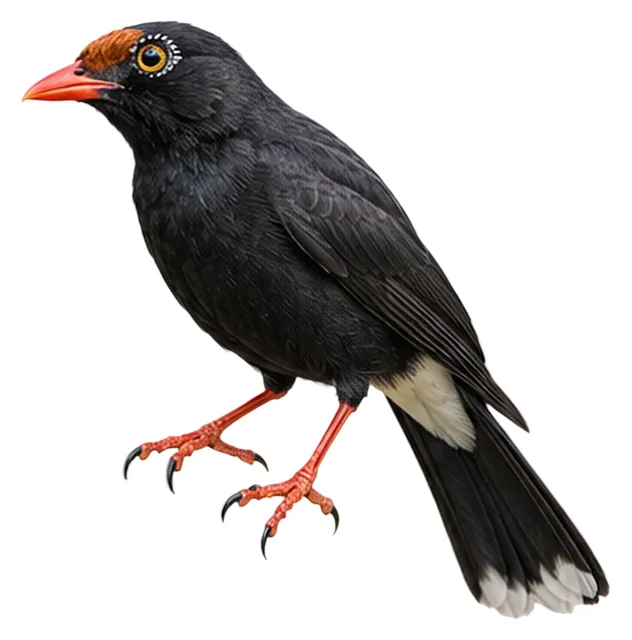
Chestnut-fronted Helmetshrike
Prionops scopifrons (Peters, W, 1854)
29 gWeight
The chestnut-fronted helmetshrike (Prionops scopifrons) is a species of bird in the Vanga family Vangidae, formerly usually included in the Malaconotidae.
Busiest months: November · Most records: Kenya, Mozambique, Tanzania
Where and when it's recorded

Chestnut-fronted Helmetshrike has been recorded at 9 of the 8,171 birding hotspots we track, in 3 countries and regions.
Records by month Southern Hemisphere
Where it's recorded most
- Arabuko-Sokoke Forest NRKenya644 records
- Coutada 12Mozambique60 records
- East Usambara Mountains – Amani Nature ReserveTanzania33 records
More places
- M'phingwe LodgeMozambique26 records
- Mida CreekKenya6 records
- Gorongosa NP – Picada 1 RdMozambique1 record
- Selous Game Reserve – North SectorTanzania1 record
- Meru NPKenya1 record
- Sabaki River EstuaryKenya1 record
Countries and regions with the most records
eBird records via GBIF up to 2024-12-31. A record means someone listed it; more records partly mean more birders, not more birds.
About
The chestnut-fronted helmetshrike (Prionops scopifrons) is a species of bird in the Vanga family Vangidae, formerly usually included in the Malaconotidae.
Excerpt from Wikipedia, CC BY-SA 4.0 · authors · Read more on Wikipedia
Questions
How big is the Chestnut-fronted Helmetshrike?
The Chestnut-fronted Helmetshrike weighs around 29 g.
Where does the Chestnut-fronted Helmetshrike live?
Its breeding range: Africa: eastern, southeastern. It is most often recorded in Kenya, Mozambique and Tanzania.
When is the best time to see the Chestnut-fronted Helmetshrike?
At the hotspots we track, it is recorded most in November (Southern Hemisphere).
Is the Chestnut-fronted Helmetshrike endangered?
The IUCN Red List classifies the Chestnut-fronted Helmetshrike as Least Concern.
What does the Chestnut-fronted Helmetshrike eat?
Main food: Insects & other invertebrates.
What family is the Chestnut-fronted Helmetshrike in?
It belongs to the family Vangas & Allies (Vangidae), order Passerines (Passeriformes).
At a glance
- Weight
- 29 g
- Habitat
- Woodland
- Diet
- Insects & other invertebrates
- Lifestyle
- Perches in trees
- Migration
- Resident (barely migrates)
- Conservation
- Least Concern
More measurements
- Wing
- 98 mm
- Tail
- 81 mm
- Bill
- 22 mm
- Tarsus
- 18 mm
Averages from the AVONET dataset; length from field guides where available.
Range
Africa: eastern, southeastern
Breeding range, IOC World Bird List 15.2
Classification
- Order
- Passerines Passeriformes
- Family
- Vangas & Allies Vangidae
- Genus
- Prionops
Other birds in the genus Prionops
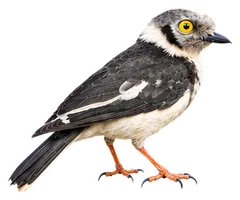 White-crested HelmetshrikePrionops plumatus
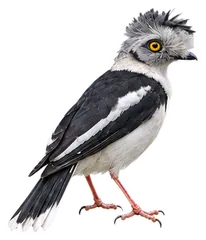 Grey-crested HelmetshrikePrionops poliolophus
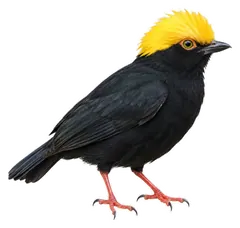 Yellow-crested HelmetshrikePrionops alberti
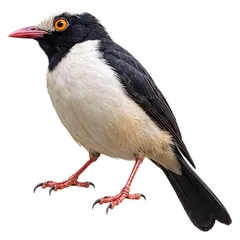 Red-billed HelmetshrikePrionops caniceps
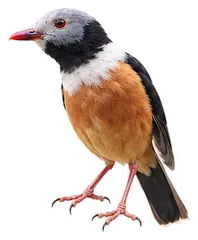 Rufous-bellied HelmetshrikePrionops rufiventris
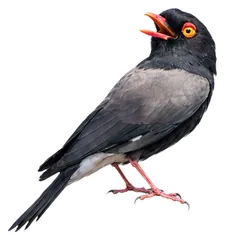 Retz's HelmetshrikePrionops retzii
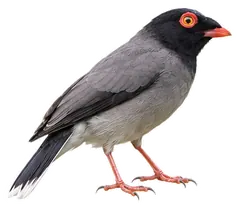 Gabela HelmetshrikePrionops gabela
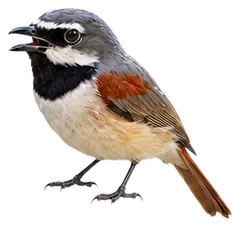 Red-tailed VangaCalicalicus madagascariensis
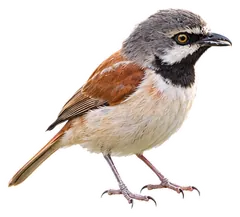 Red-shouldered VangaCalicalicus rufocarpalis
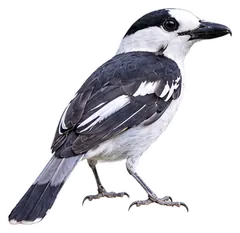 Hook-billed VangaVanga curvirostris
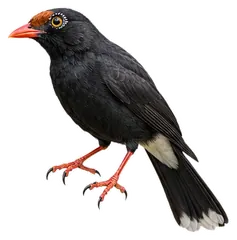
Download illustration
Free to use with credit: “Illustration: Bird Album (birdalbum.com)”. Drawn by AI from a reference photo by titi-uu. ↗
Heard it but can't see it? Mingji identifies birds by sound and photo, on your phone.
In other languages
- EnglishChestnut-fronted Helmetshrike
- 简体中文栗额盔鵙
- 繁體中文栗額盔鵙
- 日本語クリビタイメガネモズ
- DeutschBraunstirn-Brillenvanga
- FrançaisBagadais à front roux
- EspañolPrionopo frentirrufo
- Portuguêsatacador-de-testa-castanha
- ItalianoAverla piumata frontecastana
- NederlandsStekelkopklauwier
- РусскийКраснолобый шлемоголов
- Svenskarostpannad hjälmtörnskata
- DanskBrunpandet Hjelmtornskade
- Polskiczołoczub modrooki