 Bird Album
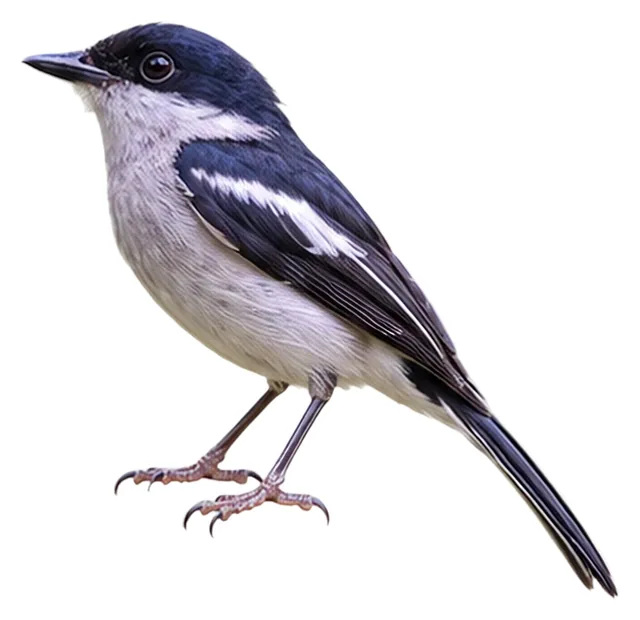
Bar-winged Flycatcher-shrike
Hemipus picatus (Sykes, 1832)
≈12 cmLength9 gWeight
It has a black cap and wings, a white body, a single diagonal white stripe on the wing, and an upright stance.
Busiest months: February · Most records: Thailand, India, Malaysia
How to identify
Field marks
- Black cap and wings contrasting strongly with the white body
- A single diagonal white stripe on the wing; white rump
- Black tail with white outer tail feathers
- Upright posture when perched
Male, female and young
The male is velvety black and the female mostly gray-brown, with plumage varying among populations; juveniles are said to be mottled white and gray like lichen.
Voice
A rapid, high-pitched “tsit-it-it-it” or “whriri-whirriri-whirriri”, with an occasional sharp “chip”.
Where and when it's recorded

Bar-winged Flycatcher-shrike has been recorded at 427 of the 8,171 birding hotspots we track, in 13 countries and regions.
Records by month Northern Hemisphere
Where it's recorded most
- Wildlife Institute of IndiaIndia1,308 records
- Bondla Wildlife SanctuaryIndia723 records
- Kaeng Krachan NPThailand548 records
More places
- Khao Yai NPThailand535 records
- Cat Tien NPVietnam515 records
- Bukit FraserMalaysia471 records
- TmatboeyCambodia463 records
- Mahidol University [Kanchanaburi Campus]Thailand441 records
- Kaeng Krachan NP – Ban Krang CampgroundsThailand424 records
- Wildlife Institute of India (WII) – Nature Trail & LakeIndia356 records
Countries and regions with the most records
eBird records via GBIF up to 2024-12-31. A record means someone listed it; more records partly mean more birders, not more birds.
About
The bar-winged flycatcher-shrike (Hemipus picatus) is a small passerine bird usually placed in the Vangidae. It is found in the forests of tropical southern Asia from the Himalayas and hills of southern India to Indonesia. Mainly insectivorous it is found hunting in the mid-canopy of forests, often joining mixed-species foraging flocks.
Excerpt from Wikipedia, CC BY-SA 4.0 · authors · Read more on Wikipedia
Questions
How big is the Bar-winged Flycatcher-shrike?
The Bar-winged Flycatcher-shrike is about ≈12 cm long and weighs around 9 g.
Where does the Bar-winged Flycatcher-shrike live?
Its breeding range: Oriental: Himalayas from northwestern India to eastern China, Indian Peninsula and Sri Lanka, Vietnam, Sumatra and Borneo. It is most often recorded in Thailand, India and Malaysia.
When is the best time to see the Bar-winged Flycatcher-shrike?
At the hotspots we track, it is recorded most in February (Northern Hemisphere).
Is the Bar-winged Flycatcher-shrike endangered?
The IUCN Red List classifies the Bar-winged Flycatcher-shrike as Least Concern.
What does the Bar-winged Flycatcher-shrike eat?
Main food: Insects & other invertebrates.
What family is the Bar-winged Flycatcher-shrike in?
It belongs to the family Vangas & Allies (Vangidae), order Passerines (Passeriformes).
At a glance
- Length
- ≈12 cm
- Weight
- 9 g
- Habitat
- Shrubland
- Diet
- Insects & other invertebrates
- Lifestyle
- Perches in trees
- Migration
- Resident (barely migrates)
- Conservation
- Least Concern
More measurements
- Wing
- 61 mm
- Tail
- 56 mm
- Bill
- 12 mm
- Tarsus
- 11 mm
Averages from the AVONET dataset; length from field guides where available.
Range
Oriental: Himalayas from northwestern India to eastern China, Indian Peninsula and Sri Lanka, Vietnam, Sumatra and Borneo
Breeding range, IOC World Bird List 15.2
Classification
- Order
- Passerines Passeriformes
- Family
- Vangas & Allies Vangidae
- Genus
- Hemipus
Other birds in the genus Hemipus
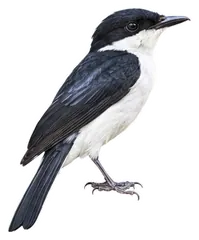 Black-winged Flycatcher-shrikeHemipus hirundinaceus
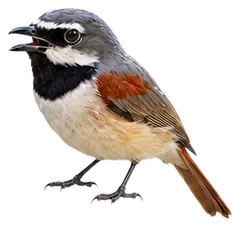 Red-tailed VangaCalicalicus madagascariensis
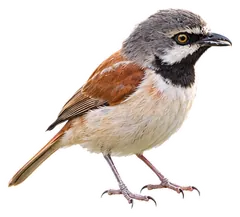 Red-shouldered VangaCalicalicus rufocarpalis
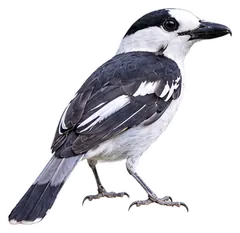 Hook-billed VangaVanga curvirostris
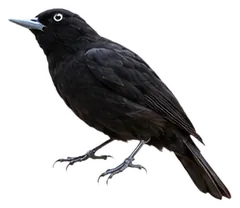 Bernier's VangaOriolia bernieri
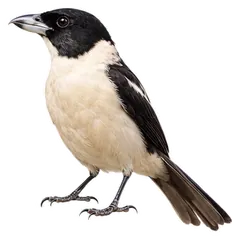 Lafresnaye's VangaXenopirostris xenopirostris
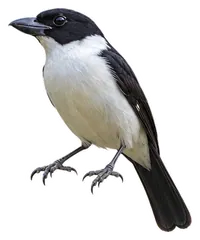 Van Dam's VangaXenopirostris damii
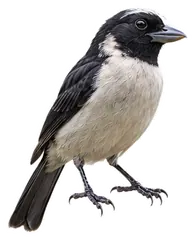 Pollen's VangaXenopirostris polleni
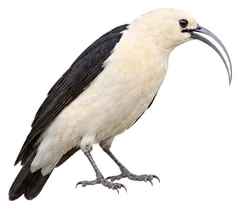 Sickle-billed VangaFalculea palliata
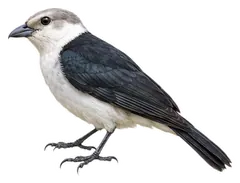 White-headed VangaArtamella viridis
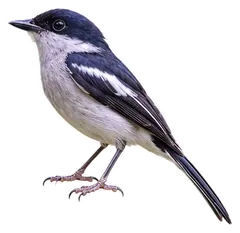
Download illustration
Free to use with credit: “Illustration: Bird Album (birdalbum.com)”. Drawn by AI from a reference photo by Halvard Aas Midtun. ↗
Heard it but can't see it? Mingji identifies birds by sound and photo, on your phone.
In other languages
- EnglishBar-winged Flycatcher-shrike
- 简体中文褐背鹟鵙
- 繁體中文褐背鶲鵙
- 日本語ヒタキサンショウクイ
- DeutschElsterschnäppervanga
- FrançaisHémipe gobemouche
- EspañolOruguero alibarrado
- Portuguêspicanço-papa-moscas
- ItalianoAverla pigliamosche alibarrate
- NederlandsBonte Dwergtriller
- РусскийПёстрый личинколов
- Svenskabandvingad skogstörnskata
- DanskBroget Dværgtornskade
- Polskikruczynek białoskrzydły