 Bird Album
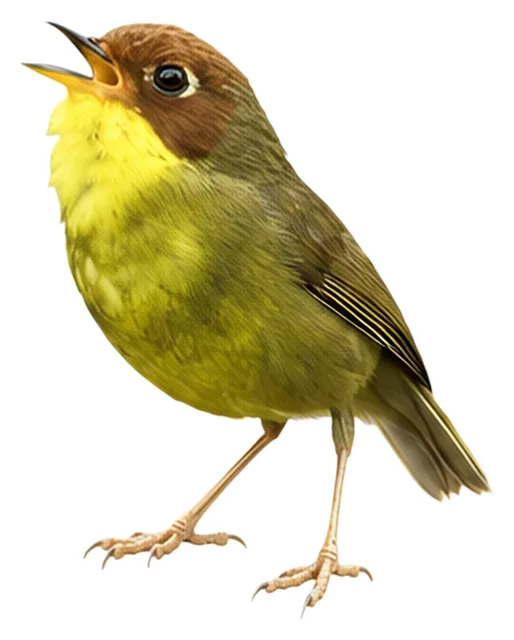
Chestnut-headed Tesia
Cettia castaneocoronata (Burton, E, 1836)
≈9.2 cmLength8.9 gWeight
This small, insect-eating songbird inhabits moist tropical and subtropical lowland and mountain forests.
Busiest months: February, April and November–December · Most records: India, China, Nepal
How to identify
Where and when it's recorded

Chestnut-headed Tesia has been recorded at 186 of the 8,276 birding hotspots we track, in 9 countries and regions.
Records by month Northern Hemisphere
Where it's recorded most
- SattalIndia386 records
- Baihualing [General Area]China218 records
- Mt. PhulchowkiNepal214 records
More places
- Munsyari – Bheema WodeyarIndia200 records
- Mt. Phulchowki - Lowest Few Miles of RoadNepal119 records
- Doi Pha Hom Pok NP – Doi Lang (E)Thailand66 records
- Labahe NNRChina65 records
- Doi Pha Hom Pok NP – Doi AngkhangThailand63 records
- Corbett NP – DhikalaIndia58 records
- Mount VictoriaMyanmar (Burma)52 records
Countries and regions with the most records
eBird records via GBIF up to 2024-12-31. A record means someone listed it; more records partly mean more birders, not more birds.
About
The chestnut-headed tesia (Cettia castaneocoronata) is a small insectivorous songbird formerly of the "Old World warbler" family but nowadays placed in the bush warbler family (Cettiidae).
Excerpt from Wikipedia, CC BY-SA 4.0 · authors · Read more on Wikipedia
Questions
How big is the Chestnut-headed Tesia?
The Chestnut-headed Tesia is about ≈9.2 cm long and weighs around 8.9 g.
Where does the Chestnut-headed Tesia live?
Its breeding range: Oriental: Himalayas to northern Vietnam. It is most often recorded in India, China and Nepal.
When is the best time to see the Chestnut-headed Tesia?
At the hotspots we track, it is recorded most in February, April, November and December (Northern Hemisphere).
Is the Chestnut-headed Tesia endangered?
The IUCN Red List classifies the Chestnut-headed Tesia as Least Concern.
What does the Chestnut-headed Tesia eat?
Main food: Insects & other invertebrates.
What family is the Chestnut-headed Tesia in?
It belongs to the family Cettia Bush Warblers & Allies (Cettiidae), order Passerines (Passeriformes).
At a glance
- Length
- ≈9.2 cm
- Weight
- 8.9 g
- Habitat
- Forest
- Diet
- Insects & other invertebrates
- Lifestyle
- Active on the ground
- Migration
- Resident (barely migrates)
- Conservation
- Least Concern
More measurements
- Wing
- 48 mm
- Tail
- 23 mm
- Bill
- 11 mm
- Tarsus
- 21 mm
Averages from the AVONET dataset; length from field guides where available.
Range
Oriental: Himalayas to northern Vietnam
Breeding range, IOC World Bird List 15.2
Subspecies · 2
- Cettia castaneocoronata castaneocoronata Himalayas and ne India to s China and n Laos
- Cettia castaneocoronata ripleyi Yunnan (s China)
Classification
- Order
- Passerines Passeriformes
- Family
- Cettia Bush Warblers & Allies Cettiidae
- Genus
- Cettia
Other birds in the genus Cettia
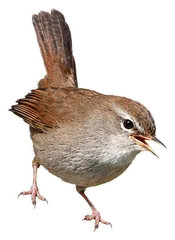 Cetti's WarblerCettia cetti
 Chestnut-crowned Bush WarblerCettia major
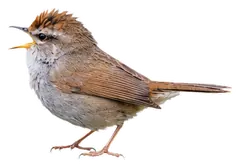 Grey-sided Bush WarblerCettia brunnifrons
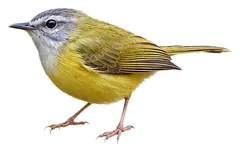 Yellow-bellied WarblerAbroscopus superciliaris
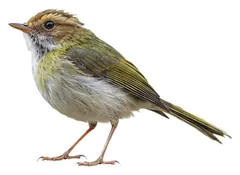 Rufous-faced WarblerAbroscopus albogularis
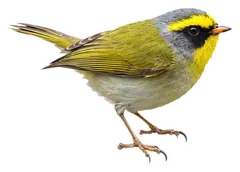 Black-faced WarblerAbroscopus schisticeps
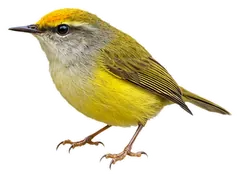 Mountain TailorbirdPhyllergates cucullatus
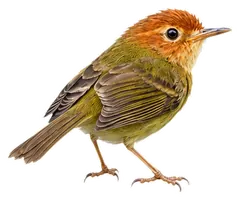 Rufous-headed TailorbirdPhyllergates heterolaemus
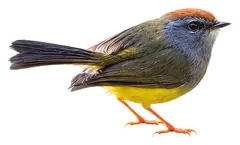 Broad-billed WarblerTickellia hodgsoni
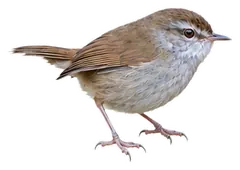 Philippine Bush WarblerHorornis seebohmi
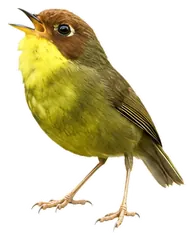
Download illustration
Free to use with credit: “Illustration: Bird Album (birdalbum.com)”. Drawn by AI from a reference photo by pallav_pranjal. ↗
Heard it but can't see it? Mingji identifies birds by sound and photo, on your phone.
In other languages
- EnglishChestnut-headed Tesia
- 简体中文栗头地莺
- 繁體中文栗頭地鶯
- 日本語クリガシラコビトサザイ
- DeutschRotkopf-Seidensänger
- FrançaisBouscarle à tête marron
- EspañolCetia cabecicastaña
- Portuguêsrouxinol-bravo-de-cabeça-castanha
- ItalianoTesia testacannella
- NederlandsKastanjekoptesia
- РусскийКрасноголовая короткохвостка
- Svenskagulstrupig cettia
- DanskKastanjehovedet Tesia
- Polskiwierzbówka żółtobrzucha