 Bird Album
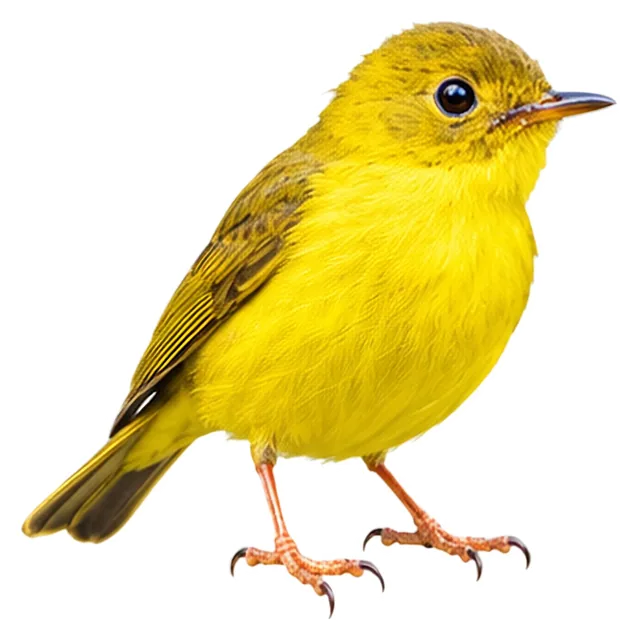
Citrine Canary-flycatcher
Culicicapa helianthea (Wallace, 1865)
8.4 gWeight
The citrine canary-flycatcher (Culicicapa helianthea) is a species of bird in the family Stenostiridae.
Busiest months: July–August · Most records: Indonesia, Philippines
Where and when it's recorded

Citrine Canary-flycatcher has been recorded at 27 of the 8,171 birding hotspots we track, in 2 countries and regions.
Records by month Northern Hemisphere
Where it's recorded most
- Lore Lindu NP – Lake Tambing vicinityIndonesia379 records
- Jariel's Peak – Restaurant, Bgy. Magsaysay, InfantaPhilippines324 records
- Lake HolonPhilippines260 records
More places
- Gunung MahawuIndonesia204 records
- Gunung MahawuIndonesia178 records
- Lore Lindu NPIndonesia136 records
- Mt. PolisPhilippines72 records
- Napsan, Puerto Princesa CityPhilippines53 records
- Brgy. Kuden, Senator Ninoy AquinoPhilippines42 records
- Puerto Princesa Subterranean River National ParkPhilippines19 records
Countries and regions with the most records
eBird records via GBIF up to 2024-12-31. A record means someone listed it; more records partly mean more birders, not more birds.
About
The citrine canary-flycatcher (Culicicapa helianthea) is a species of bird in the family Stenostiridae. The term citrine refers to its yellowish colouration. It is found in Sulawesi and the Philippines.
Excerpt from Wikipedia, CC BY-SA 4.0 · authors · Read more on Wikipedia
Questions
How big is the Citrine Canary-flycatcher?
The Citrine Canary-flycatcher weighs around 8.4 g.
Where does the Citrine Canary-flycatcher live?
Its breeding range: Oriental, Australasia: Philippines and Sulawesi region. It is most often recorded in Indonesia and Philippines.
When is the best time to see the Citrine Canary-flycatcher?
At the hotspots we track, it is recorded most in July and August (Northern Hemisphere).
Is the Citrine Canary-flycatcher endangered?
The IUCN Red List classifies the Citrine Canary-flycatcher as Least Concern.
What does the Citrine Canary-flycatcher eat?
Main food: Insects & other invertebrates.
What family is the Citrine Canary-flycatcher in?
It belongs to the family Fairy Flycatchers (Stenostiridae), order Passerines (Passeriformes).
At a glance
- Weight
- 8.4 g
- Habitat
- Forest
- Diet
- Insects & other invertebrates
- Lifestyle
- Perches in trees
- Migration
- Resident (barely migrates)
- Conservation
- Least Concern
More measurements
- Wing
- 59 mm
- Tail
- 46 mm
- Bill
- 13 mm
- Tarsus
- 12 mm
Averages from the AVONET dataset; length from field guides where available.
Range
Oriental, Australasia: Philippines and Sulawesi region
Breeding range, IOC World Bird List 15.2
Classification
- Order
- Passerines Passeriformes
- Family
- Fairy Flycatchers Stenostiridae
- Genus
- Culicicapa
Other birds in the genus Culicicapa
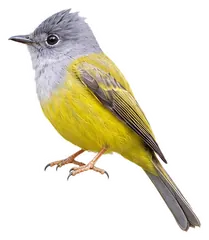 Grey-headed Canary-flycatcherCulicicapa ceylonensis
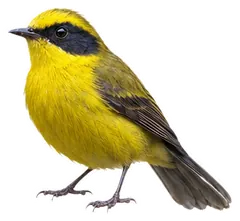 Yellow-bellied FantailChelidorhynx hypoxanthus
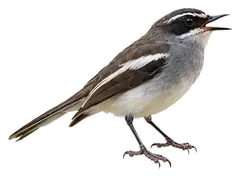 Fairy FlycatcherStenostira scita
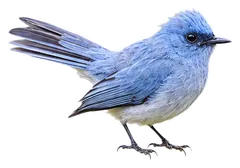 African Blue FlycatcherElminia longicauda
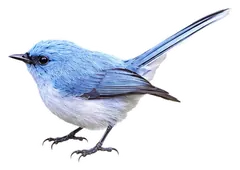 White-tailed Blue FlycatcherElminia albicauda
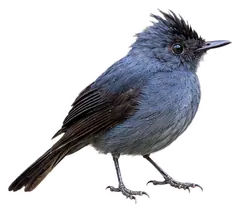 Dusky Crested FlycatcherElminia nigromitrata
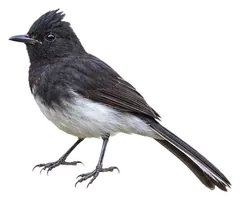 White-bellied Crested FlycatcherElminia albiventris
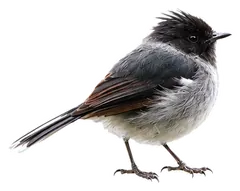 White-tailed Crested FlycatcherElminia albonotata
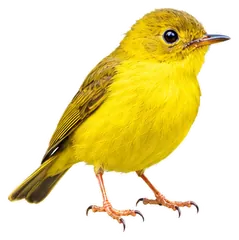
Download illustration
Free to use with credit: “Illustration: Bird Album (birdalbum.com)”. Drawn by AI from a reference photo by Forest Botial-Jarvis. ↗
Heard it but can't see it? Mingji identifies birds by sound and photo, on your phone.
In other languages
- EnglishCitrine Canary-flycatcher
- 简体中文柠黄仙鹟
- 繁體中文檸黃方尾鶲
- 日本語カナリアヒタキ
- DeutschGrünkopfschnäpper
- FrançaisGobemoustique canari
- EspañolPapamoscas citrino
- Portuguêspapa-moscas-citrino
- ItalianoPigliamosche canarino citrino
- NederlandsKanarievliegenvanger
- РусскийЗеленоголовый комаролов
- Svenskagul feflugsnappare
- DanskGul Fluesnapper
- Polskikomarówka żółtawa