 Bird Album
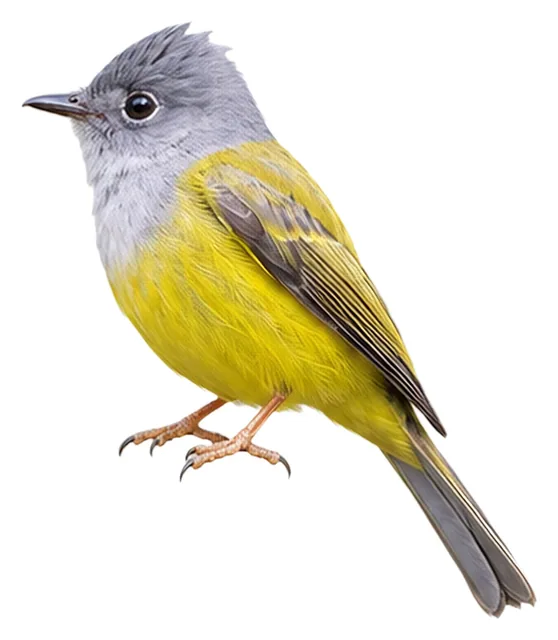
Grey-headed Canary-flycatcher
Culicicapa ceylonensis (Swainson, 1820)
12–13 cmLength7.7 gWeight
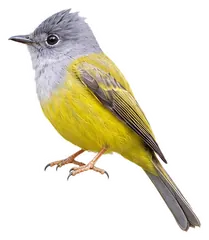
This small, flycatcher-like bird stands upright and has a gray head, square crown and yellow belly.
Busiest months: February · Most records: India, Thailand, China
How to identify
Field marks
- Gray head with a square crown
- Canary-yellow belly
- Yellow-green upperparts
- Flattened bill, almost triangular from above
Male, female and young
Sexes indistinguishable in plumage.
Where and when it's recorded
Busiest months: February · Most records: India, Thailand, China

Grey-headed Canary-flycatcher has been recorded at 875 of the 8,276 birding hotspots we track, in 15 countries and regions.
Records by month Northern Hemisphere
Where it's recorded most
- Wildlife Institute of IndiaIndia2,218 records
- Bharatpur – Keoladeo Ghana NPIndia1,038 records
- SattalIndia864 records
More places
- Forest Research Institute (FRI), New Forest CampusIndia807 records
- Wildlife Institute of India (WII) – Nature Trail & LakeIndia774 records
- Kaeng Krachan NPThailand716 records
- Munsyari – Bheema WodeyarIndia660 records
- Sangla and AreaNepal635 records
- Tai Po Kau Nature ReserveHong Kong (China)592 records
- Khao Yai NPThailand586 records
Countries and regions with the most records
eBird records via GBIF up to 2024-12-31. A record means someone listed it; more records partly mean more birders, not more birds.
About
The grey-headed canary-flycatcher (Culicicapa ceylonensis), sometimes known as the grey-headed flycatcher, is a species of small flycatcher-like bird found in tropical Asia. It has a square crest, a grey hood and yellow underparts. They are found mainly in forested habitats where they often join other birds in mixed-species foraging flocks.
Excerpt from Wikipedia, CC BY-SA 4.0 · authors · Read more on Wikipedia
Questions
How big is the Grey-headed Canary-flycatcher?
The Grey-headed Canary-flycatcher is about 12–13 cm long and weighs around 7.7 g.
Where does the Grey-headed Canary-flycatcher live?
Its breeding range: Oriental: widespread, also Lesser Sundas. It is most often recorded in India, Thailand and China.
When is the best time to see the Grey-headed Canary-flycatcher?
At the hotspots we track, it is recorded most in February (Northern Hemisphere).
Is the Grey-headed Canary-flycatcher endangered?
The IUCN Red List classifies the Grey-headed Canary-flycatcher as Least Concern.
What does the Grey-headed Canary-flycatcher eat?
Main food: Insects & other invertebrates.
What family is the Grey-headed Canary-flycatcher in?
It belongs to the family Fairy Flycatchers (Stenostiridae), order Passerines (Passeriformes).
At a glance
- Length
- 12–13 cm
- Weight
- 7.7 g
- Habitat
- Woodland
- Diet
- Insects & other invertebrates
- Lifestyle
- Perches in trees
- Migration
- Resident (barely migrates)
- Conservation
- Least Concern
More measurements
- Wing
- 58 mm
- Tail
- 48 mm
- Bill
- 12 mm
- Tarsus
- 12 mm
Averages from the AVONET dataset; length from field guides where available.
Range
Oriental: widespread, also Lesser Sundas
Breeding range, IOC World Bird List 15.2
Subspecies · 1
- Culicicapa ceylonensis calochrysea Himalayas to ne, c India e to c China and n, c Indochina
Classification
- Order
- Passerines Passeriformes
- Family
- Fairy Flycatchers Stenostiridae
- Genus
- Culicicapa
Other birds in the genus Culicicapa
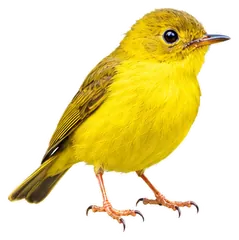 Citrine Canary-flycatcherCulicicapa helianthea
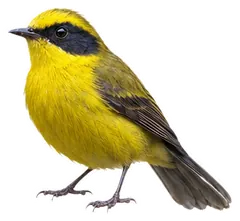 Yellow-bellied FantailChelidorhynx hypoxanthus
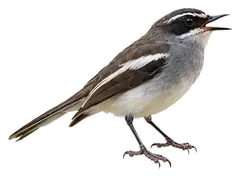 Fairy FlycatcherStenostira scita
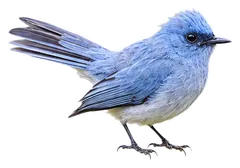 African Blue FlycatcherElminia longicauda
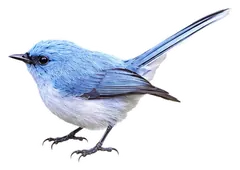 White-tailed Blue FlycatcherElminia albicauda
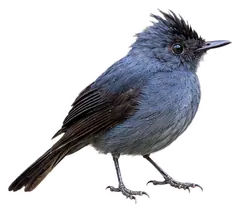 Dusky Crested FlycatcherElminia nigromitrata
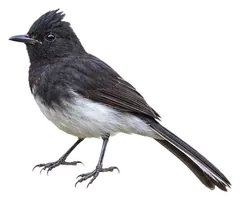 White-bellied Crested FlycatcherElminia albiventris
 White-tailed Crested FlycatcherElminia albonotata
Download illustration
Free to use with credit: “Illustration: Bird Album (birdalbum.com)”. Drawn by AI from a reference photo by JJ Harrison (https://www.jjharrison.com.au/). ↗

Heard it but can't see it? Mingji identifies birds by sound and photo, on your phone.
In other languages
- EnglishGrey-headed Canary-flycatcher
- 简体中文方尾鹟
- 繁體中文方尾鶲
- 日本語ハイガシラヒタキ
- DeutschGraukopfschnäpper
- FrançaisGobemoustique à tête grise
- EspañolPapamoscas cabecigrís
- Portuguêspapa-moscas-tricolor
- ItalianoPigliamosche canarino testagrigia
- NederlandsGrijskopvliegenvanger
- РусскийСероголовый комаролов
- Svenskagråhuvad feflugsnappare
- DanskGråhovedet Fluesnapper
- Polskikomarówka szarogłowa