 Bird Album
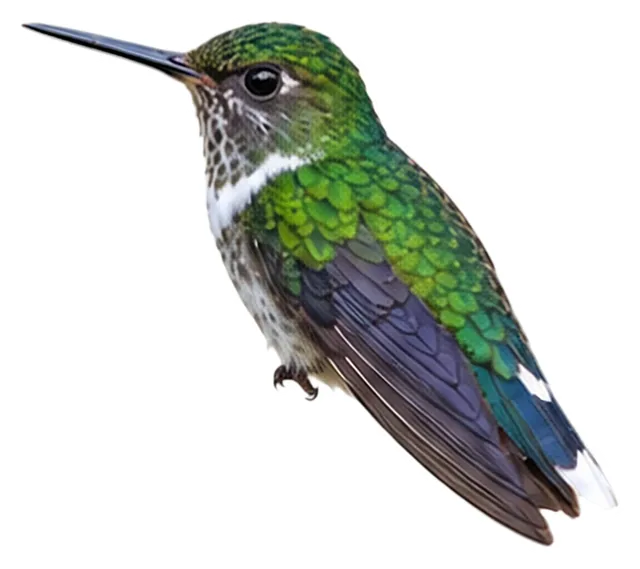
Ecuadorian Piedtail
Phlogophilus hemileucurus Gould, 1860
2.8 gWeight
The Ecuadorian piedtail (Phlogophilus hemileucurus) is a species of hummingbird in the "coquettes", tribe Lesbiini of subfamily Lesbiinae.
Busiest months: January–February · Most records: Ecuador, Colombia, Peru
Where and when it's recorded

Ecuadorian Piedtail has been recorded at 23 of the 8,171 birding hotspots we track, in 3 countries and regions.
Records by month Southern Hemisphere
Where it's recorded most
- WildSumaco LodgeEcuador2,092 records
- Reserva Natural La Isla EscondidaColombia601 records
- Bosque de Protección Alto Mayo – Llanteria/Afluente vicinityPeru420 records
More places
- PN Podocarpus – Sector Río BombuscaroEcuador359 records
- Reserva Biologica del Rio BigalEcuador322 records
- Sumaco RoadEcuador204 records
- Copalinga LodgeEcuador99 records
- Vereda CampucanaColombia47 records
- Wayra ReserveEcuador36 records
- Reserva MaycuEcuador35 records
Countries and regions with the most records
eBird records via GBIF up to 2024-12-31. A record means someone listed it; more records partly mean more birders, not more birds.
About
The Ecuadorian piedtail (Phlogophilus hemileucurus) is a species of hummingbird in the "coquettes", tribe Lesbiini of subfamily Lesbiinae. It is found in Colombia, Ecuador, and Peru.
Excerpt from Wikipedia, CC BY-SA 4.0 · authors · Read more on Wikipedia
Questions
How big is the Ecuadorian Piedtail?
The Ecuadorian Piedtail weighs around 2.8 g.
Where does the Ecuadorian Piedtail live?
Its breeding range: South America: southern Colombia to northeastern Peru. It is most often recorded in Ecuador, Colombia and Peru.
When is the best time to see the Ecuadorian Piedtail?
At the hotspots we track, it is recorded most in January and February (Southern Hemisphere).
Is the Ecuadorian Piedtail endangered?
The IUCN Red List classifies the Ecuadorian Piedtail as Least Concern.
What does the Ecuadorian Piedtail eat?
Main food: Nectar.
What family is the Ecuadorian Piedtail in?
It belongs to the family Hummingbirds (Trochilidae), order Apodiformes.
At a glance
- Weight
- 2.8 g
- Habitat
- Forest
- Diet
- Nectar
- Lifestyle
- Perches in trees
- Migration
- Resident (barely migrates)
- Conservation
- Least Concern
More measurements
- Wing
- 50 mm
- Tail
- 31 mm
- Bill
- 19 mm
- Tarsus
- 5 mm
Averages from the AVONET dataset; length from field guides where available.
Range
South America: southern Colombia to northeastern Peru
Breeding range, IOC World Bird List 15.2
Classification
- Order
- Apodiformes
- Family
- Hummingbirds Trochilidae
- Genus
- Phlogophilus
Other birds in the genus Phlogophilus
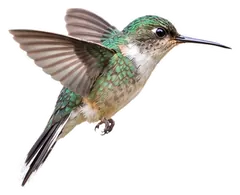 Peruvian PiedtailPhlogophilus harterti
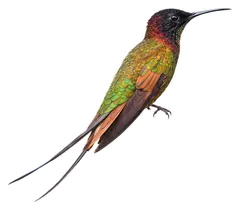 Crimson TopazTopaza pella
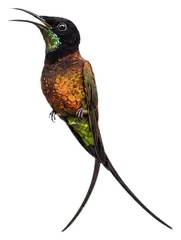 Fiery TopazTopaza pyra
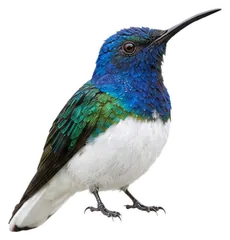 White-necked JacobinFlorisuga mellivora
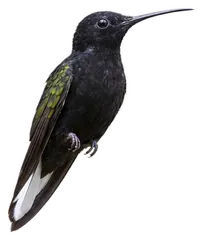 Black JacobinFlorisuga fusca
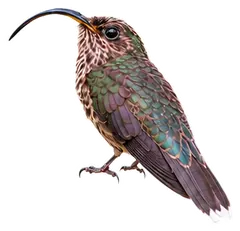 White-tipped SicklebillEutoxeres aquila
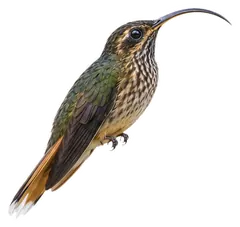 Buff-tailed SicklebillEutoxeres condamini
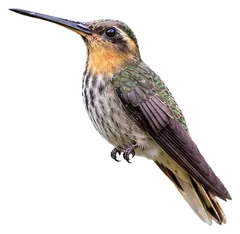 Saw-billed HermitRamphodon naevius
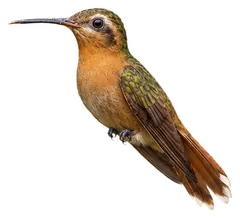 Hook-billed HermitGlaucis dohrnii
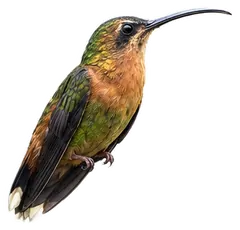 Bronzy HermitGlaucis aeneus
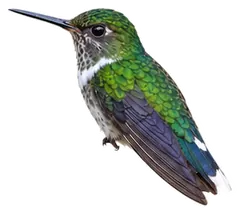
Download illustration
Free to use with credit: “Illustration: Bird Album (birdalbum.com)”. Drawn by AI from a reference photo by Thibaud Aronson. ↗
Heard it but can't see it? Mingji identifies birds by sound and photo, on your phone.
In other languages
- EnglishEcuadorian Piedtail
- 简体中文厄瓜多尔斑尾蜂鸟
- 繁體中文厄瓜多斑尾蜂鳥
- 日本語マダラオハチドリ
- DeutschSchwarzweißschwanz-Kolibri
- FrançaisColibri à queue mi-blanche
- EspañolColibrí colipinto ecuatoriano
- Portuguêscauda-variegada-equatoriano
- ItalianoColibrì dell'Ecuador
- NederlandsEcuadoraanse Eksterstaart
- РусскийПестрохвостый колибри
- Svenskaecuadorbrokstjärt
- DanskEcuador Brogethale
- Polskisrokaczek białopierśny