 Bird Album
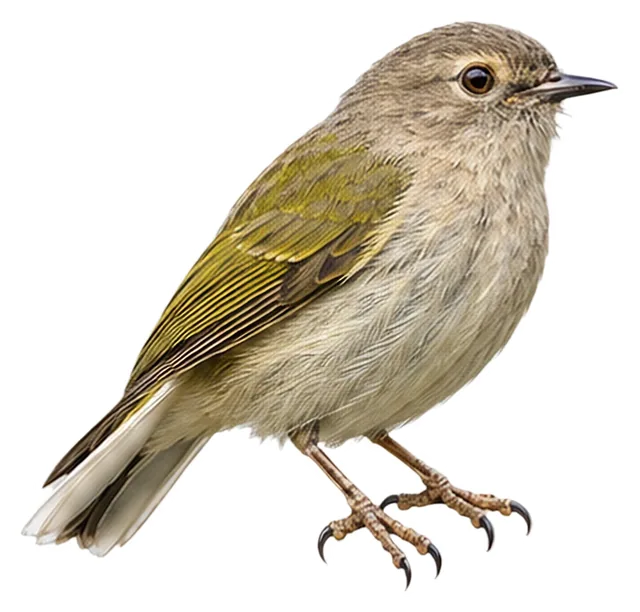
Green-backed Honeybird
Prodotiscus zambesiae Shelley, 1894
10 gWeight
The green-backed honeybird (Prodotiscus zambesiae), also known as the eastern green-backed honeyguide, green-backed honeyguide and slender-billed honeyguide, is a species of bird in the family Indicatoridae.
Busiest months: November · Most records: Kenya, Tanzania, Zimbabwe
Where and when it's recorded

Green-backed Honeybird has been recorded at 73 of the 8,171 birding hotspots we track, in 10 countries and regions.
Records by month Southern Hemisphere
Where it's recorded most
- Nairobi NPKenya157 records
- Nairobi River @ National Museums of KenyaKenya70 records
- Wondo GenetEthiopia61 records
More places
- Ngong Road Forest SanctuaryKenya55 records
- Karura ForestKenya53 records
- Mt Kenya NP – Castle Forest and LodgeKenya51 records
- Mukuvisi WoodlandsZimbabwe43 records
- Ngare Sero Mountain LodgeTanzania35 records
- Cleveland Dam/Haka Game ParkZimbabwe30 records
- East Usambara Mountains – Amani Nature ReserveTanzania26 records
Countries and regions with the most records
eBird records via GBIF up to 2024-12-31. A record means someone listed it; more records partly mean more birders, not more birds.
About
The green-backed honeybird (Prodotiscus zambesiae), also known as the eastern green-backed honeyguide, green-backed honeyguide and slender-billed honeyguide, is a species of bird in the family Indicatoridae. It is a nest parasite of three white-eye species. It is an insectivore that sometimes eats the waxy shed of scaly insects.
Excerpt from Wikipedia, CC BY-SA 4.0 · authors · Read more on Wikipedia
Questions
How big is the Green-backed Honeybird?
The Green-backed Honeybird weighs around 10 g.
Where does the Green-backed Honeybird live?
Its breeding range: Africa: south-central, eastern, southeastern. It is most often recorded in Kenya, Tanzania and Zimbabwe.
When is the best time to see the Green-backed Honeybird?
At the hotspots we track, it is recorded most in November (Southern Hemisphere).
Is the Green-backed Honeybird endangered?
The IUCN Red List classifies the Green-backed Honeybird as Least Concern.
What does the Green-backed Honeybird eat?
Main food: Insects & other invertebrates.
What family is the Green-backed Honeybird in?
It belongs to the family Honeyguides (Indicatoridae), order Piciformes.
At a glance
- Weight
- 10 g
- Habitat
- Forest
- Diet
- Insects & other invertebrates
- Lifestyle
- Perches in trees
- Migration
- Resident (barely migrates)
- Conservation
- Least Concern
More measurements
- Wing
- 73 mm
- Tail
- 50 mm
- Bill
- 8 mm
- Tarsus
- 12 mm
Averages from the AVONET dataset; length from field guides where available.
Range
Africa: south-central, eastern, southeastern
Breeding range, IOC World Bird List 15.2
Classification
- Order
- Piciformes
- Family
- Honeyguides Indicatoridae
- Genus
- Prodotiscus
Other birds in the genus Prodotiscus
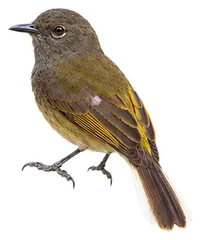 Cassin's HoneybirdProdotiscus insignis
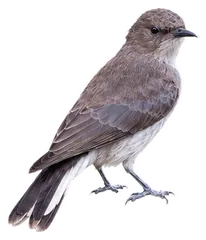 Brown-backed HoneybirdProdotiscus regulus
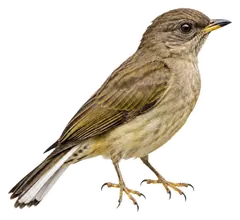 Zenker's HoneyguideMelignomon zenkeri
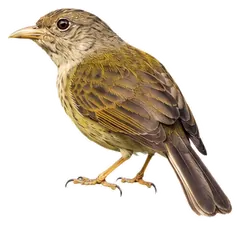 Yellow-footed HoneyguideMelignomon eisentrauti
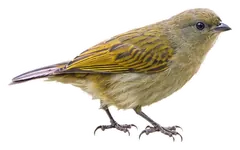 Dwarf HoneyguideIndicator pumilio
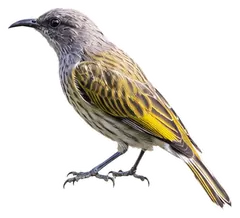 Willcocks's HoneyguideIndicator willcocksi
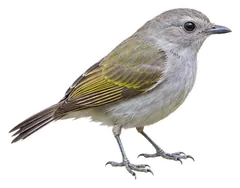 Pallid HoneyguideIndicator meliphilus
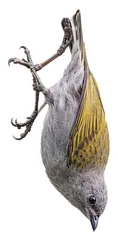 Least HoneyguideIndicator exilis
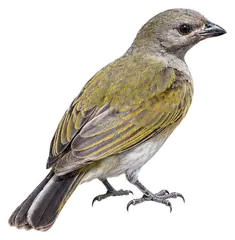 Lesser HoneyguideIndicator minor
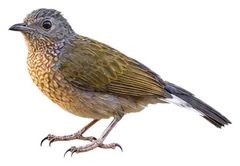 Spotted HoneyguideIndicator maculatus
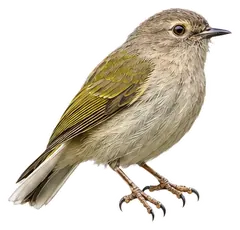
Download illustration
Free to use with credit: “Illustration: Bird Album (birdalbum.com)”. Drawn by AI from a reference photo by GLENN STOCKIL. ↗
Heard it but can't see it? Mingji identifies birds by sound and photo, on your phone.
In other languages
- EnglishGreen-backed Honeybird
- 简体中文绿背蜜䴕
- 繁體中文綠背嚮蜜鴷
- 日本語ヒガシオリーブヒメミツオシエ
- DeutschGraubauch-Honiganzeiger
- FrançaisIndicateur gris
- EspañolIndicador del Zambeze
- Portuguêsindicador-elegante-de-dorso-verde
- ItalianoIndicatore dorsoverde
- NederlandsGrijze Honingspeurder
- РусскийЗелёный медоуказчик
- Svenskamiombohonungsvisare
- DanskGrønrygget Honninggøg
- Polskimiodowodzik szarogłowy