 Bird Album
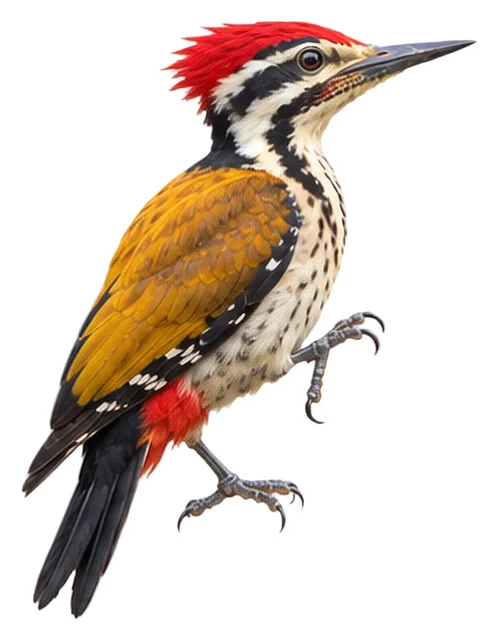
Himalayan Flameback
Dinopium shorii (Vigors, 1831)
101 gWeight
The Himalayan flameback (Dinopium shorii), also known as the Himalayan goldenback, is a species of bird in the family Picidae.
Busiest months: February · Most records: India, Nepal, Myanmar (Burma)
Where and when it's recorded
Busiest months: February · Most records: India, Nepal, Myanmar (Burma)

Himalayan Flameback has been recorded at 40 of the 8,276 birding hotspots we track, in 4 countries and regions.
Records by month Northern Hemisphere
Where it's recorded most
- Wildlife Institute of IndiaIndia285 records
- Chitwan National ParkNepal256 records
- Corbett NP – DhikalaIndia209 records
More places
- Corbett NPIndia180 records
- Chitwan National Park - SaurahaNepal133 records
- Forest Research Institute (FRI), New Forest CampusIndia112 records
- Bardiya National ParkNepal52 records
- Chitwan National Park - Sauraha Rapti River DikeNepal37 records
- Chitwan National Park - Beeshazar LakeNepal35 records
- Wildlife Institute of India (WII) – Nature Trail & LakeIndia32 records
Countries and regions with the most records
eBird records via GBIF up to 2024-12-31. A record means someone listed it; more records partly mean more birders, not more birds.
About
The Himalayan flameback (Dinopium shorii), also known as the Himalayan goldenback, is a species of bird in the family Picidae. At the moment very little is known of this species and more fieldwork is required. The Himalayan flameback is not threatened but it is suspected that deforestation could severely affect the species population.
Excerpt from Wikipedia, CC BY-SA 4.0 · authors · Read more on Wikipedia
Questions
How big is the Himalayan Flameback?
The Himalayan Flameback weighs around 101 g.
Where does the Himalayan Flameback live?
Its breeding range: Oriental: northern India to Myanmar. It is most often recorded in India, Nepal and Myanmar (Burma).
When is the best time to see the Himalayan Flameback?
At the hotspots we track, it is recorded most in February (Northern Hemisphere).
Is the Himalayan Flameback endangered?
The IUCN Red List classifies the Himalayan Flameback as Least Concern.
What does the Himalayan Flameback eat?
Main food: Insects & other invertebrates.
What family is the Himalayan Flameback in?
It belongs to the family Woodpeckers (Picidae), order Piciformes.
At a glance
- Weight
- 101 g
- Habitat
- Forest
- Diet
- Insects & other invertebrates
- Lifestyle
- Perches in trees
- Migration
- Resident (barely migrates)
- Conservation
- Least Concern
More measurements
- Wing
- 150 mm
- Tail
- 98 mm
- Bill
- 38 mm
- Tarsus
- 26 mm
Averages from the AVONET dataset; length from field guides where available.
Range
Oriental: northern India to Myanmar
Breeding range, IOC World Bird List 15.2
Classification
- Order
- Piciformes
- Family
- Woodpeckers Picidae
- Genus
- Dinopium
Other birds in the genus Dinopium
 Common FlamebackDinopium javanense
 Spot-throated FlamebackDinopium everetti
 Black-rumped FlamebackDinopium benghalense
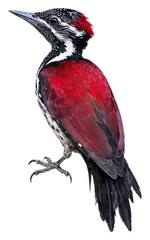 Red-backed FlamebackDinopium psarodes
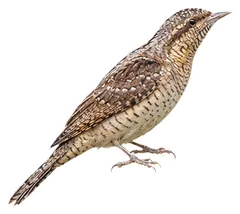 Eurasian WryneckJynx torquilla
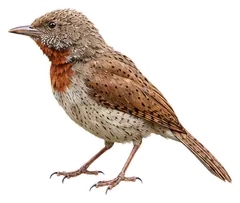 Red-throated WryneckJynx ruficollis
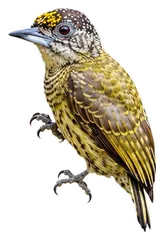
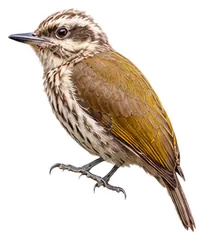 Speckled PiculetPicumnus innominatus
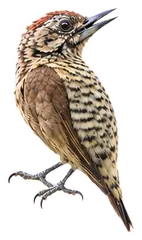
 Bar-breasted PiculetPicumnus aurifrons
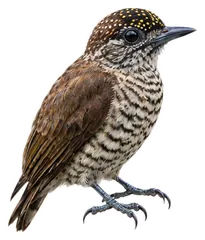
 Lafresnaye's PiculetPicumnus lafresnayi
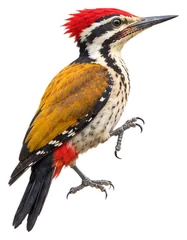
 Orinoco PiculetPicumnus pumilus
Download illustration
Free to use with credit: “Illustration: Bird Album (birdalbum.com)”. Drawn by AI from a reference photo by Deepa Mohan. ↗
Heard it but can't see it? Mingji identifies birds by sound and photo, on your phone.
In other languages
- EnglishHimalayan Flameback
- 简体中文喜山金背啄木鸟
- 繁體中文喜瑪拉雅金背三趾啄木
- 日本語ヒマラヤズアカミユビゲラ
- DeutschHimalaja-Feuerrückenspecht
- FrançaisPic de Shore
- EspañolPito de Shore
- Portuguêspeto-do-himalaia
- ItalianoDorso di fiamma dell'Himalaya
- NederlandsHimalayagoudrugspecht
- РусскийГималайский дятел-султан
- Svenskahimalayaflamspett
- DanskHimalaya Sultanspætte
- Polskisułtanik himalajski