 Bird Album
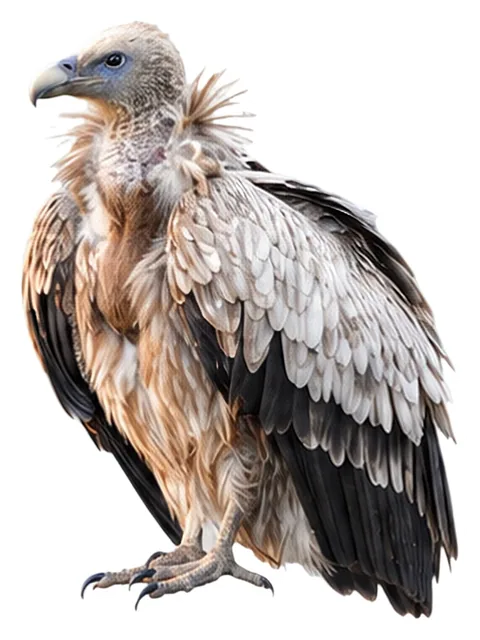
Himalayan Vulture
Gyps himalayensis Hume, 1869
≈128 cmLength290 cmWingspan9.8 kgWeight
This large vulture has a pale body contrasting with dark flight feathers and tail feathers.
Busiest months: February and April · Most records: India, China, Nepal
Looks like Griffon Vulture, Indian Vulture
How to identify
Field marks
- Body pale, flight feathers and tail feathers dark
- Face skin pale blue, bill yellowish
- Ruff feathers long and pointed, pale brown with white stripes
- Pale patagial stripes on underwing in flight
Male, female and young
Juvenile has whitish down on head, becoming pale yellow in adult; juvenile bill paler.
Voice
Gives quacking sounds when landing on a carcass, and gurgles and hisses when resting or feeding.
Similar species
Where and when it's recorded

Himalayan Vulture has been recorded at 379 of the 8,171 birding hotspots we track, in 17 countries and regions.
Records by month Northern Hemisphere
Where it's recorded most
- PangotIndia381 records
- PelelaBhutan373 records
- Kaziranga NP & Surroundings – Eastern RangeIndia333 records
More places
- Kaziranga NP & Surroundings – Western RangeIndia266 records
- SattalIndia258 records
- Balang Shan [General Area]China248 records
- Kaziranga NP & Surroundings – Central RangeIndia222 records
- Jhilmil Jheel Conservation ReserveIndia211 records
- Wildlife Institute of IndiaIndia191 records
- Yolyn Am, Umnugobi, MNMongolia189 records
Countries and regions with the most records
eBird records via GBIF up to 2024-12-31. A record means someone listed it; more records partly mean more birders, not more birds.
About
The Himalayan vulture (Gyps himalayensis) or Himalayan griffon vulture is an Old World vulture native to the Himalayas and foothills in North and Northeastern India, as well as the adjacent Tibetan Plateau. After the cinereous vulture (Aegypius monachus), it is the second-largest Old World vulture species, and among the world's largest true raptors. It is listed as Near Threatened on the IUCN Red List.
Excerpt from Wikipedia, CC BY-SA 4.0 · authors · Read more on Wikipedia
Questions
How big is the Himalayan Vulture?
The Himalayan Vulture is about ≈128 cm long, with a wingspan of 290 cm and weighs around 9.8 kg.
Where does the Himalayan Vulture live?
Its breeding range: Oriental: Himalayas. It is most often recorded in India, China and Nepal.
When is the best time to see the Himalayan Vulture?
At the hotspots we track, it is recorded most in February and April (Northern Hemisphere).
Is the Himalayan Vulture endangered?
The IUCN Red List classifies the Himalayan Vulture as Near Threatened.
What does the Himalayan Vulture eat?
Main food: Carrion.
What family is the Himalayan Vulture in?
It belongs to the family Kites, Hawks, Eagles (Accipitridae), order Accipitriformes.
At a glance
- Length
- ≈128 cm
- Wingspan
- 290 cm
- Weight
- 9.8 kg
- Habitat
- Rocky terrain
- Diet
- Carrion
- Lifestyle
- Active on the ground
- Migration
- Resident (barely migrates)
- Conservation
- Near Threatened
More measurements
- Wing
- 760 mm
- Tail
- 339 mm
- Bill
- 82 mm
- Tarsus
- 116 mm
Averages from the AVONET dataset; length from field guides where available.
Range
Oriental: Himalayas
Breeding range, IOC World Bird List 15.2
Classification
- Order
- Accipitriformes
- Family
- Kites, Hawks, Eagles Accipitridae
- Genus
- Gyps
Other birds in the genus Gyps
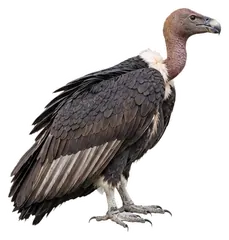 White-rumped VultureGyps bengalensis
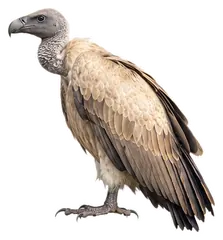 White-backed VultureGyps africanus
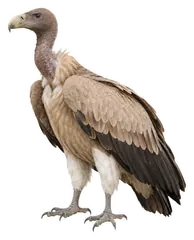 Indian VultureGyps indicus
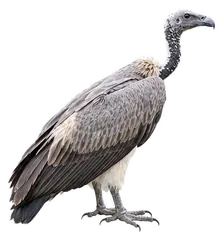 Slender-billed VultureGyps tenuirostris
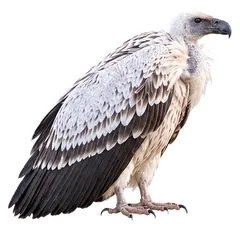 Cape VultureGyps coprotheres
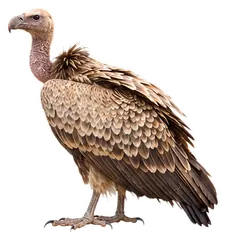 Rüppell's VultureGyps rueppelli
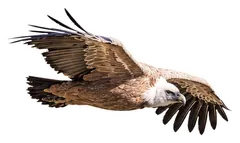 Griffon VultureGyps fulvus
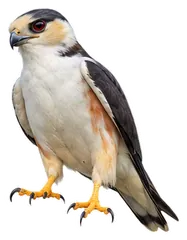 Pearl KiteGampsonyx swainsonii
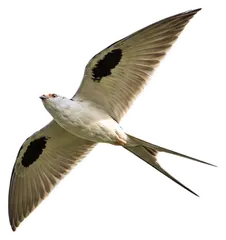 Scissor-tailed KiteChelictinia riocourii
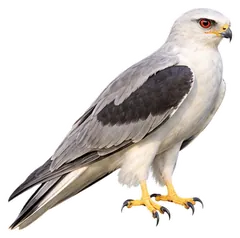 White-tailed KiteElanus leucurus
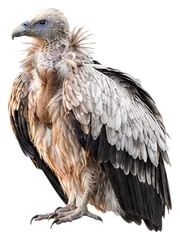
Download illustration
Free to use with credit: “Illustration: Bird Album (birdalbum.com)”. Drawn by AI from a reference photo by Sahana M. ↗

Heard it but can't see it? Mingji identifies birds by sound and photo, on your phone.