 Bird Album
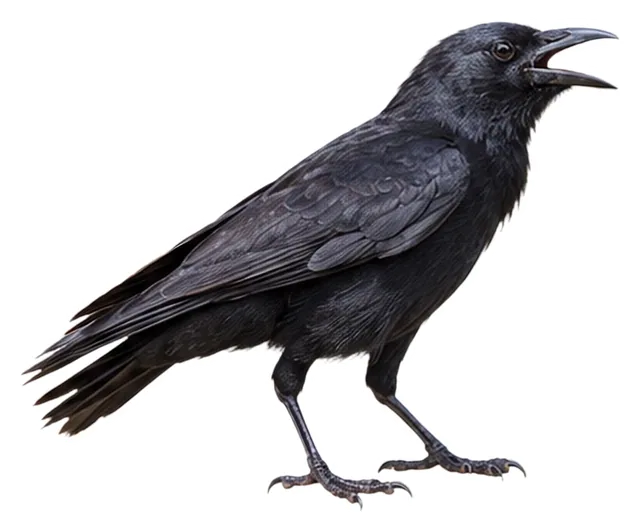
Hispaniolan Palm Crow
Corvus palmarum Württemberg, 1835
34–43 cmLength289 gWeight
The Hispaniolan palm crow (Corvus palmarum) is a relatively small corvid endemic to the Caribbean island of Hispaniola, which is shared by Haiti and the Dominican Republic.
Busiest months: February–March · Most records: Haiti, Dominican Republic
Where and when it's recorded

Hispaniolan Palm Crow has been recorded at 17 of the 8,171 birding hotspots we track, in 2 countries and regions.
Records by month Northern Hemisphere
Where it's recorded most
- Etang BeauteHaiti46 records
- Etang GentillotteHaiti45 records
- Etang FlandiereHaiti45 records
More places
- Trou CaïmanHaiti37 records
- Reserva Científica Ebano VerdeDominican Republic26 records
- Etang droitHaiti25 records
- ZapoténDominican Republic20 records
- Etang La ChauxHaiti15 records
- LabadieHaiti15 records
- P.N. de la VisiteHaiti12 records
Countries and regions with the most records
eBird records via GBIF up to 2024-12-31. A record means someone listed it; more records partly mean more birders, not more birds.
About
The Hispaniolan palm crow (Corvus palmarum) is a relatively small corvid endemic to the Caribbean island of Hispaniola, which is shared by Haiti and the Dominican Republic.
Excerpt from Wikipedia, CC BY-SA 4.0 · authors · Read more on Wikipedia
Questions
How big is the Hispaniolan Palm Crow?
The Hispaniolan Palm Crow is about 34–43 cm long and weighs around 289 g.
Where does the Hispaniolan Palm Crow live?
Its breeding range: North America: Hispaniola. It is most often recorded in Haiti and Dominican Republic.
When is the best time to see the Hispaniolan Palm Crow?
At the hotspots we track, it is recorded most in February and March (Northern Hemisphere).
Is the Hispaniolan Palm Crow endangered?
The IUCN Red List classifies the Hispaniolan Palm Crow as Least Concern.
What does the Hispaniolan Palm Crow eat?
Main food: Omnivore.
What family is the Hispaniolan Palm Crow in?
It belongs to the family Crows, Jays (Corvidae), order Passerines (Passeriformes).
At a glance
- Length
- 34–43 cm
- Weight
- 289 g
- Habitat
- Forest
- Diet
- Omnivore
- Lifestyle
- Perches in trees
- Migration
- Resident (barely migrates)
- Conservation
- Least Concern
More measurements
- Wing
- 244 mm
- Tail
- 143 mm
- Bill
- 49 mm
- Tarsus
- 50 mm
Averages from the AVONET dataset; length from field guides where available.
Range
North America: Hispaniola
Breeding range, IOC World Bird List 15.2
Classification
- Order
- Passerines Passeriformes
- Family
- Crows, Jays Corvidae
- Genus
- Corvus
Other birds in the genus Corvus
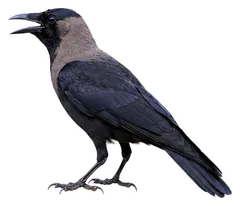 House CrowCorvus splendens
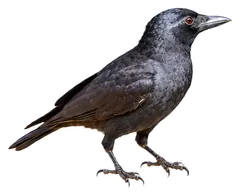 New Caledonian CrowCorvus moneduloides
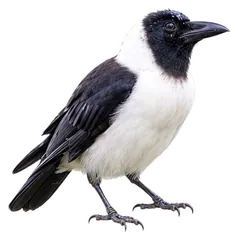 Piping CrowCorvus typicus
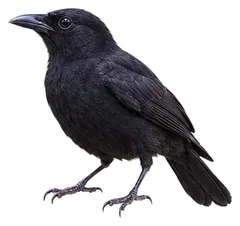 Banggai CrowCorvus unicolor
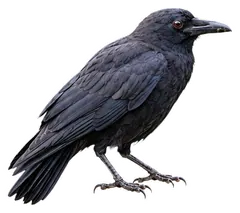 Sunda CrowCorvus enca
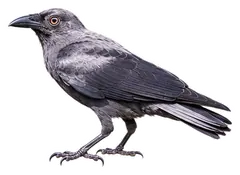 Sulawesi CrowCorvus celebensis
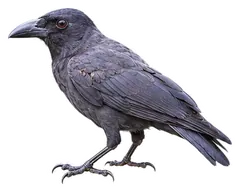 Samar CrowCorvus samarensis
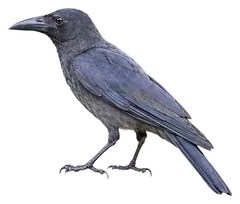 Sierra Madre CrowCorvus sierramadrensis
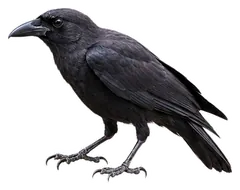 Palawan CrowCorvus pusillus
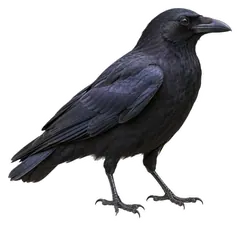 Violet CrowCorvus violaceus
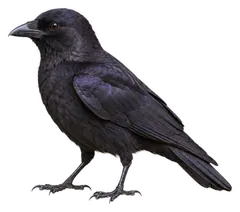 Flores CrowCorvus florensis
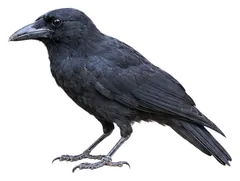 Mariana CrowCorvus kubaryi
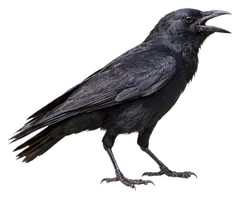
Download illustration
Free to use with credit: “Illustration: Bird Album (birdalbum.com)”. Drawn by AI from a reference photo by Pedro Genaro Rodriguez. ↗
Heard it but can't see it? Mingji identifies birds by sound and photo, on your phone.
In other languages
- EnglishHispaniolan Palm Crow
- 简体中文棕榈鸦
- 繁體中文棕櫚鴉
- 日本語ヤシガラス
- DeutschPalmenkrähe
- FrançaisCorneille palmiste
- EspañolCuervo palmero
- Portuguêsgralha-florestal-haitiana
- ItalianoCorvo delle palme di Hispaniola
- NederlandsHispaniolapalmkraai
- РусскийПальмовая ворона
- Svenskahispaniolapalmkråka
- DanskPalmekrage
- Polskiwrona haitańska