 Bird Album
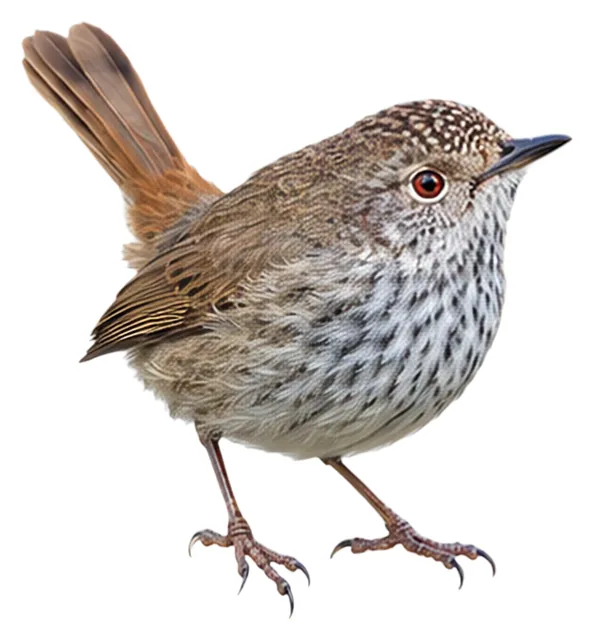
Inland Thornbill
Acanthiza apicalis Gould, 1847
7.6 gWeight
The inland thornbill (Acanthiza apicalis) was originally described by English ornithologist John Gould in The Birds of Australia.
Busiest months: June–October · Most records: Australia
Where and when it's recorded

Inland Thornbill has been recorded at 17 of the 8,171 birding hotspots we track, in 1 country or region.
Records by month Southern Hemisphere
Where it's recorded most
- Bowra Wildlife SanctuaryAustralia1,241 records
- Victoria Dam – Access road, track and picnic areaAustralia529 records
- Lake McLarty Nature ReserveAustralia522 records
More places
- Hattah-Kulkyne National ParkAustralia410 records
- Greater Bendigo National Park – KamarookaAustralia307 records
- Gluepot ReserveAustralia240 records
- Mosquito Creek RdAustralia174 records
- Bibra LakeAustralia25 records
- Herdsman LakeAustralia21 records
- North LakeAustralia11 records
Countries and regions with the most records
eBird records via GBIF up to 2024-12-31. A record means someone listed it; more records partly mean more birders, not more birds.
About
The inland thornbill (Acanthiza apicalis) was originally described by English ornithologist John Gould in The Birds of Australia. Inland thornbills are within the order passerines. The inland thornbill belongs to the genus Acanthiza, which now has three more species than the eleven outlined by Gould in The Birds of Australia.
Excerpt from Wikipedia, CC BY-SA 4.0 · authors · Read more on Wikipedia
Questions
How big is the Inland Thornbill?
The Inland Thornbill weighs around 7.6 g.
Where does the Inland Thornbill live?
Its breeding range: Australasia: Australia (except northern, eastern, Tasmania). It is most often recorded in Australia.
When is the best time to see the Inland Thornbill?
At the hotspots we track, it is recorded most in June, July, August, September and October (Southern Hemisphere).
Is the Inland Thornbill endangered?
The IUCN Red List classifies the Inland Thornbill as Least Concern.
What does the Inland Thornbill eat?
Main food: Insects & other invertebrates.
What family is the Inland Thornbill in?
It belongs to the family Australasian Warblers (Acanthizidae), order Passerines (Passeriformes).
At a glance
- Weight
- 7.6 g
- Habitat
- Woodland
- Diet
- Insects & other invertebrates
- Lifestyle
- Perches in trees
- Migration
- Resident (barely migrates)
- Conservation
- Least Concern
More measurements
- Wing
- 51 mm
- Tail
- 44 mm
- Bill
- 11 mm
- Tarsus
- 19 mm
Averages from the AVONET dataset; length from field guides where available.
Range
Australasia: Australia (except northern, eastern, Tasmania)
Breeding range, IOC World Bird List 15.2
Classification
- Order
- Passerines Passeriformes
- Family
- Australasian Warblers Acanthizidae
- Genus
- Acanthiza
Other birds in the genus Acanthiza
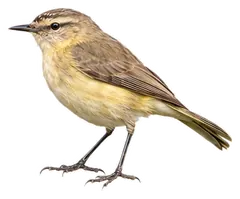 Yellow-rumped ThornbillAcanthiza chrysorrhoa
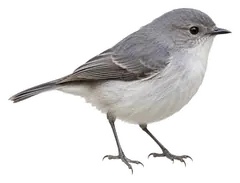 Grey ThornbillAcanthiza cinerea
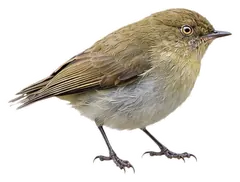 New Guinea ThornbillAcanthiza murina
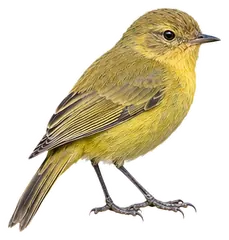 Yellow ThornbillAcanthiza nana
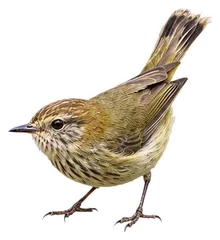 Striated ThornbillAcanthiza lineata
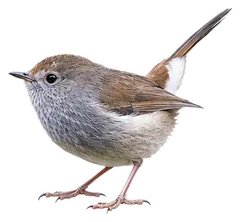 Tasmanian ThornbillAcanthiza ewingii
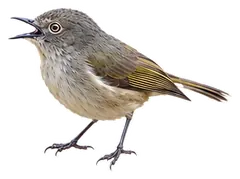 Mountain ThornbillAcanthiza katherina
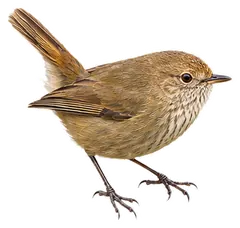 Brown ThornbillAcanthiza pusilla
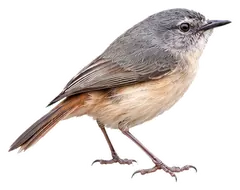 Slaty-backed ThornbillAcanthiza robustirostris
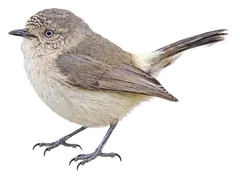 Slender-billed ThornbillAcanthiza iredalei
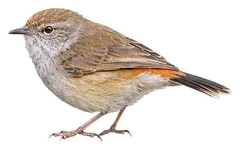 Chestnut-rumped ThornbillAcanthiza uropygialis
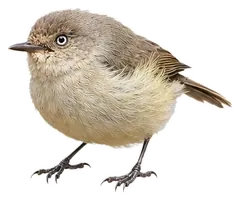 Western ThornbillAcanthiza inornata
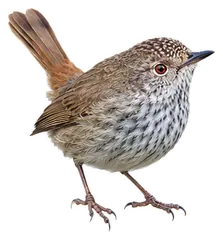
Download illustration
Free to use with credit: “Illustration: Bird Album (birdalbum.com)”. Drawn by AI from a reference photo by wacrakey. ↗
Heard it but can't see it? Mingji identifies birds by sound and photo, on your phone.
In other languages
- EnglishInland Thornbill
- 简体中文宽尾刺嘴莺
- 繁體中文內陸刺嘴鶯
- 日本語ヒロオトゲハシムシクイ
- DeutschStelzschwanz-Dornschnabel
- FrançaisAcanthize troglodyte
- EspañolAcantiza apical
- Portuguêsacantiza-troglodita
- ItalianoBeccospino interno
- NederlandsRoodstuitdoornsnavel
- РусскийПестрогрудая шипоклювка
- Svenskainlandstaggnäbb
- DanskBredhalet Mejsesanger
- Polskibuszówka szerokosterna