 Bird Album
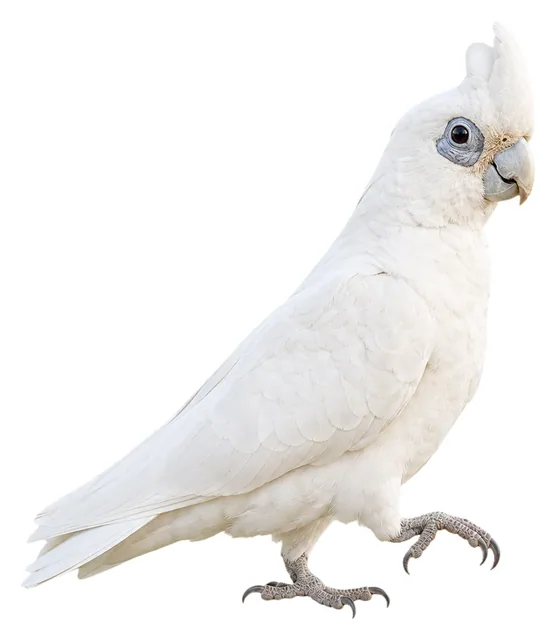
Little Corella
Cacatua sanguinea Gould, 1843
38 cmLength524 gWeight
The little corella (Cacatua sanguinea), also known as the short-billed corella, bare-eyed cockatoo, blood-stained cockatoo, and little cockatoo is a white cockatoo native to Australia and southern New Guinea.
Busiest months: October · Most records: Australia, Thailand, Indonesia
Where and when it's recorded
Busiest months: October · Most records: Australia, Thailand, Indonesia

Little Corella has been recorded at 213 of the 8,276 birding hotspots we track, in 4 countries and regions.
Records by month Southern Hemisphere
Where it's recorded most
- Centennial ParkAustralia3,225 records
- Herdsman LakeAustralia2,275 records
- Carlyle Gardens Retirement Resort, TownsvilleAustralia2,142 records
More places
- Dowse LagoonAustralia2,004 records
- Oxley Creek CommonAustralia1,844 records
- Jerrabomberra Wetlands Nature ReserveAustralia1,634 records
- Banyule Flats ReserveAustralia1,333 records
- Eagleby WetlandsAustralia1,311 records
- Goulburn WetlandsAustralia1,002 records
- Alice Springs Sewage PondsAustralia994 records
Countries and regions with the most records
eBird records via GBIF up to 2024-12-31. A record means someone listed it; more records partly mean more birders, not more birds.
About
The little corella (Cacatua sanguinea), also known as the short-billed corella, bare-eyed cockatoo, blood-stained cockatoo, and little cockatoo is a white cockatoo native to Australia and southern New Guinea. It was known as Birdirra among the Yindjibarndi people of the central and western Pilbara. They would keep them as pets, or traditionally cook and eat them.
Excerpt from Wikipedia, CC BY-SA 4.0 · authors · Read more on Wikipedia
Questions
How big is the Little Corella?
The Little Corella is about 38 cm long and weighs around 524 g.
Where does the Little Corella live?
Its breeding range: Australasia: south-central New Guinea and Australia (except southwestern, south-central). It is most often recorded in Australia, Thailand and Indonesia.
When is the best time to see the Little Corella?
At the hotspots we track, it is recorded most in October (Southern Hemisphere).
Is the Little Corella endangered?
The IUCN Red List classifies the Little Corella as Least Concern.
What does the Little Corella eat?
Main food: Seeds.
What family is the Little Corella in?
It belongs to the family Cockatoos (Cacatuidae), order Parrot (Psittaciformes).
At a glance
- Length
- 38 cm
- Weight
- 524 g
- Habitat
- Woodland
- Diet
- Seeds
- Lifestyle
- Active on the ground
- Migration
- Resident (barely migrates)
- Conservation
- Least Concern
More measurements
- Wing
- 256 mm
- Tail
- 122 mm
- Bill
- 34 mm
- Tarsus
- 24 mm
Averages from the AVONET dataset; length from field guides where available.
Range
Australasia: south-central New Guinea and Australia (except southwestern, south-central)
Breeding range, IOC World Bird List 15.2
Classification
Other birds in the genus Cacatua
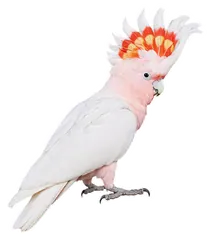 Pink CockatooCacatua leadbeateri
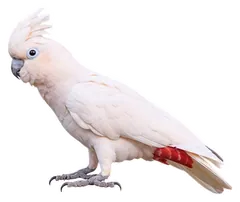 Red-vented CockatooCacatua haematuropygia
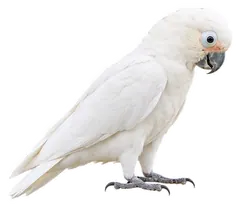 Tanimbar CorellaCacatua goffiniana
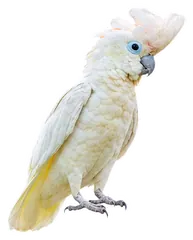 Solomons CorellaCacatua ducorpsii
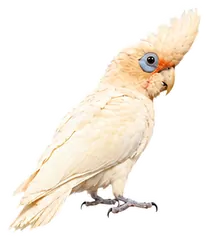 Western CorellaCacatua pastinator
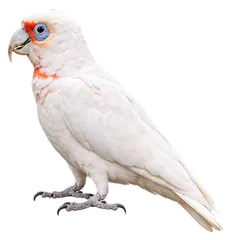 Long-billed CorellaCacatua tenuirostris
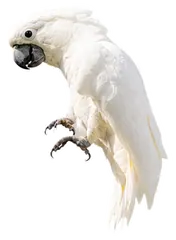 White CockatooCacatua alba
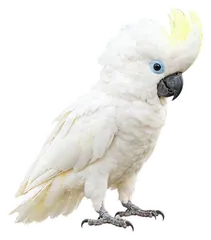 Blue-eyed CockatooCacatua ophthalmica
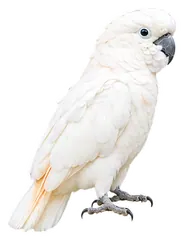 Salmon-crested CockatooCacatua moluccensis
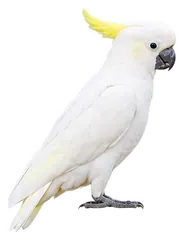 Yellow-crested CockatooCacatua sulphurea
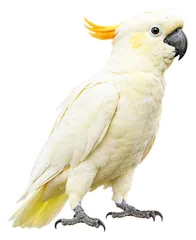 Citron-crested CockatooCacatua citrinocristata
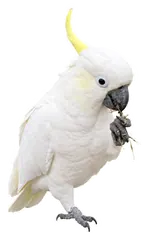 Sulphur-crested CockatooCacatua galerita
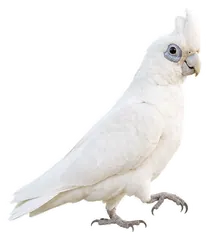
Download illustration
Free to use with credit: “Illustration: Bird Album (birdalbum.com)”. Drawn by AI from a reference photo by Chien Lee. ↗
Heard it but can't see it? Mingji identifies birds by sound and photo, on your phone.