 Bird Album
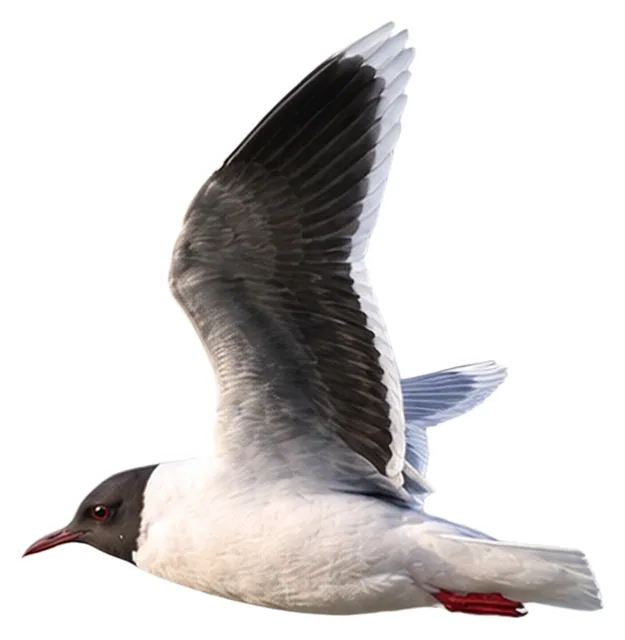
Little Gull
Hydrocoloeus minutus (Pallas, 1776)
24–28 cmLength78 cmWingspan118 gWeight
The world’s smallest gull has an entirely black hood in the breeding season.
Busiest months: May · Most records: United Kingdom, Canada, United States
How to identify
Field marks
- Black hood, dark red bill and bright red legs in the breeding season
- Black cap and black spot over the ear in the non-breeding season
- Back and upperwing pale gray; primaries white
- Underwing dark gray, strongly contrasting
Male, female and young
Juvenile has large black areas on the back and head, with a dark “W” on the upperwing in flight.
Where and when it's recorded
Busiest months: May · Most records: United Kingdom, Canada, United States

Little Gull has been recorded at 1,125 of the 8,276 birding hotspots we track, in 74 countries and regions.
Records by month Northern Hemisphere
Where it's recorded most
- Titchwell Marsh RSPB ReserveUnited Kingdom1,431 records
- Minsmere RSPB ReserveUnited Kingdom1,388 records
- Cley & Salthouse Marshes NWT NR – Cley Marshes including Hides and Visitor CentreUnited Kingdom857 records
More places
- Point Pelee National ParkCanada796 records
- Rezerwat Mewia Łacha (Seagull Shoal Reserve) – East SidePoland758 records
- Spurn Bird Observatory Recording AreaUnited Kingdom632 records
- VN RozkošCzechia627 records
- Les EscouminsCanada616 records
- Manitowoc LakefrontUnited States612 records
- Besh Barmag bottleneckAzerbaijan588 records
Countries and regions with the most records
eBird records via GBIF up to 2024-12-31. A record means someone listed it; more records partly mean more birders, not more birds.
About
The little gull (Hydrocoloeus minutus) is a species of gull belonging to the family Laridae which is mainly found in the Palearctic with some small colonies in North America. It breeds on freshwater lakes and marshes, and spends winters at sea. It is the smallest species of gull in the world, and the only species in the monospecific genus Hydrocoloeus.
Excerpt from Wikipedia, CC BY-SA 4.0 · authors · Read more on Wikipedia
Questions
How big is the Little Gull?
The Little Gull is about 24–28 cm long, with a wingspan of 78 cm and weighs around 118 g.
Where does the Little Gull live?
Its breeding range: Palearctic: Baltic region of eastern, northern Europe to western Siberia and northern Kazakhstan, northwestern, north-central Mongolia (rare); Siberia east of Lake Baikal to Sea of Okhotsk and northeastern China; rare Great Lakes, Hudson and James bays (east-central Canada). It is most often recorded in United Kingdom, Canada and United States.
When is the best time to see the Little Gull?
At the hotspots we track, it is recorded most in May (Northern Hemisphere).
Is the Little Gull endangered?
The IUCN Red List classifies the Little Gull as Least Concern.
What does the Little Gull eat?
Main food: Fish, shrimp & shellfish.
What family is the Little Gull in?
It belongs to the family Gulls, Terns, Skimmers (Laridae), order Charadriiformes.
At a glance
- Length
- 24–28 cm
- Wingspan
- 78 cm
- Weight
- 118 g
- Habitat
- Coast & tidal flats
- Diet
- Fish, shrimp & shellfish
- Lifestyle
- Varied
- Migration
- Partial migrant
- Conservation
- Least Concern
More measurements
- Wing
- 219 mm
- Tail
- 89 mm
- Bill
- 27 mm
- Tarsus
- 26 mm
Averages from the AVONET dataset; length from field guides where available.
Range
Palearctic: Baltic region of eastern, northern Europe to western Siberia and northern Kazakhstan, northwestern, north-central Mongolia (rare); Siberia east of Lake Baikal to Sea of Okhotsk and northeastern China; rare Great Lakes, Hudson and James bays (east-central Canada)
Breeding range, IOC World Bird List 15.2
Classification
- Order
- Charadriiformes
- Family
- Gulls, Terns, Skimmers Laridae
- Genus
- Hydrocoloeus
More from the family Gulls, Terns, Skimmers
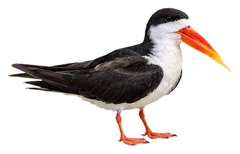 African SkimmerRynchops flavirostris
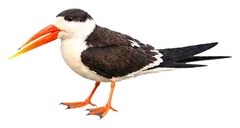 Indian SkimmerRynchops albicollis
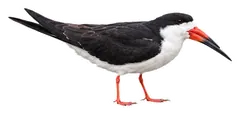 Black SkimmerRynchops niger
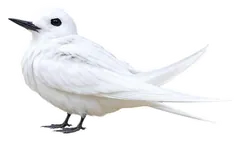 Atlantic White TernGygis alba
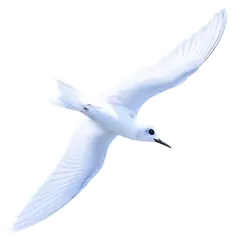 Little White TernGygis microrhyncha
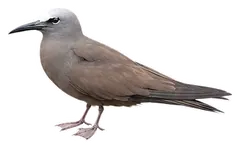 Brown NoddyAnous stolidus
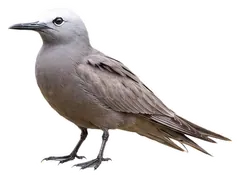 Lesser NoddyAnous tenuirostris
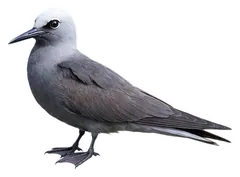 Black NoddyAnous minutus
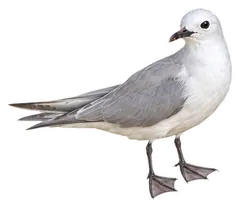 Grey NoddyAnous albivitta
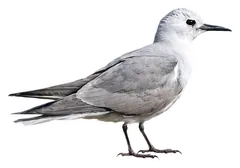 Blue NoddyAnous ceruleus
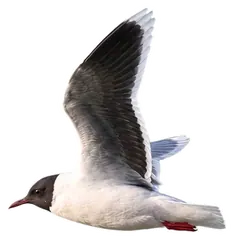
Download illustration
Free to use with credit: “Illustration: Bird Album (birdalbum.com)”. Drawn by AI from a reference photo by Anna Shipilova | Анна Шипилова. ↗
Heard it but can't see it? Mingji identifies birds by sound and photo, on your phone.