 Bird Album
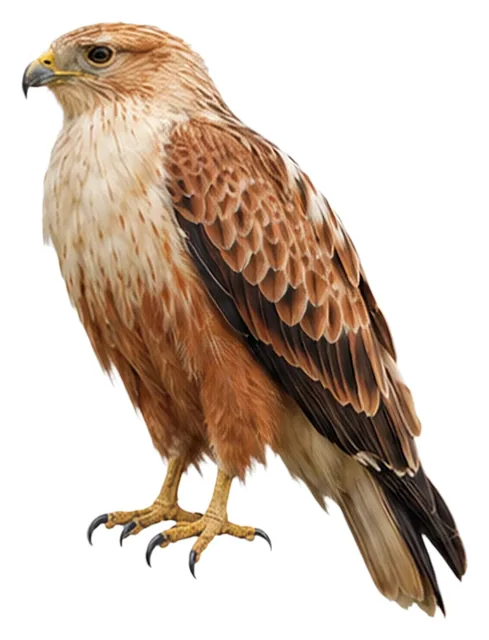
Long-legged Buzzard
Buteo rufinus (Cretzschmar, 1829)
≈67 cmLength1.2 kgWeight
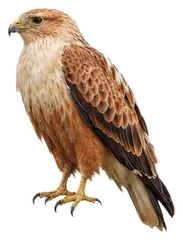
This large buzzard has a small head, a large bill and long legs, and often stands upright on rocks or utility poles.
Busiest months: March–April and October–November · Most records: India, Türkiye, Israel
How to identify
Field marks
- Pale-morph adult has a pale rufous-orange tail
- Pale morph has a pale head with a single dark eyestripe
- Pale morph has rather dark rufous belly, flanks and leg feathers
- In flight, orange tail has a white base and often looks entirely white at a distance
Male, female and young
Female can be up to 15% larger than male and average up to 30% heavier; juveniles of pale, intermediate and rufous morphs have more stripes on head and breast than adults, and paler eyes.
Where and when it's recorded
Busiest months: March–April and October–November · Most records: India, Türkiye, Israel

Long-legged Buzzard has been recorded at 620 of the 8,276 birding hotspots we track, in 76 countries and regions.
Records by month Northern Hemisphere
Where it's recorded most
- Tal Chhapar SanctuaryIndia704 records
- Bardena – Galugah Raptor Count SiteIran541 records
- Aras Kuş Halkalama İstasyonuTürkiye515 records
More places
- Hula Valley – Lake AgmonIsrael482 records
- Mogan Gölü Sel KapanıTürkiye452 records
- Gabal el ZaytEgypt410 records
- Besh Barmag bottleneckAzerbaijan346 records
- International Birding and Research Center Eilat (IBRCE)Israel338 records
- Sulaibiya Pivot Fields - Southern SectionKuwait309 records
- Mogan Gölü – Genel AlanTürkiye304 records
Countries and regions with the most records
eBird records via GBIF up to 2024-12-31. A record means someone listed it; more records partly mean more birders, not more birds.
About
The long-legged buzzard (Buteo rufinus) is a bird of prey found widely in several parts of Eurasia and in North Africa. This species ranges from Southeastern Europe down to East Africa to the northern part of the Indian subcontinent. The long-legged buzzard is a member of the genus Buteo, being one of the larger species therein.
Excerpt from Wikipedia, CC BY-SA 4.0 · authors · Read more on Wikipedia
Questions
How big is the Long-legged Buzzard?
The Long-legged Buzzard is about ≈67 cm long and weighs around 1.2 kg.
Where does the Long-legged Buzzard live?
Its breeding range: Palearctic, Africa: southwestern, south-central. It is most often recorded in India, Türkiye and Israel.
When is the best time to see the Long-legged Buzzard?
At the hotspots we track, it is recorded most in March, April, October and November (Northern Hemisphere).
Is the Long-legged Buzzard endangered?
The IUCN Red List classifies the Long-legged Buzzard as Least Concern.
What does the Long-legged Buzzard eat?
Main food: Vertebrate prey.
What family is the Long-legged Buzzard in?
It belongs to the family Kites, Hawks, Eagles (Accipitridae), order Accipitriformes.
At a glance
- Length
- ≈67 cm
- Weight
- 1.2 kg
- Habitat
- Grassland
- Diet
- Vertebrate prey
- Lifestyle
- Varied
- Migration
- Migratory
- Conservation
- Least Concern
More measurements
- Wing
- 448 mm
- Tail
- 244 mm
- Bill
- 42 mm
- Tarsus
- 86 mm
Averages from the AVONET dataset; length from field guides where available.
Range
Palearctic, Africa: southwestern, south-central
Breeding range, IOC World Bird List 15.2
Classification
- Order
- Accipitriformes
- Family
- Kites, Hawks, Eagles Accipitridae
- Genus
- Buteo
Other birds in the genus Buteo
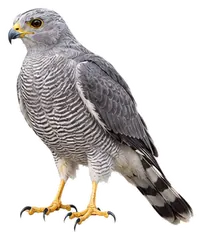 Grey HawkButeo plagiatus
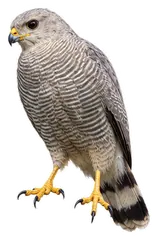 Grey-lined HawkButeo nitidus
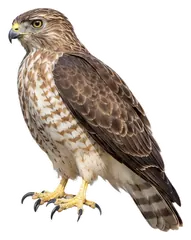 Broad-winged HawkButeo platypterus
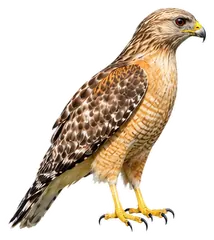 Red-shouldered HawkButeo lineatus
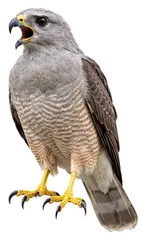 Ridgway's HawkButeo ridgwayi
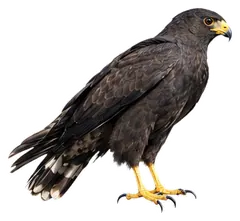 Zone-tailed HawkButeo albonotatus
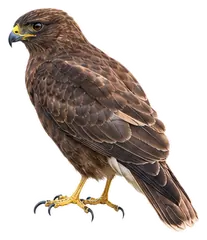 Hawaiian HawkButeo solitarius
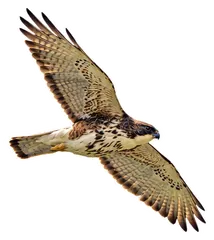 White-throated HawkButeo albigula
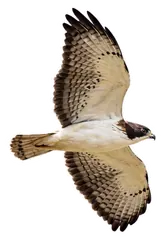 Short-tailed HawkButeo brachyurus
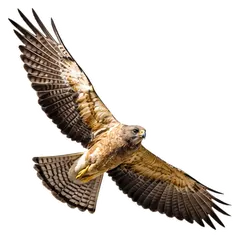 Swainson's HawkButeo swainsoni
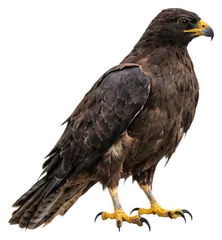 Galapagos HawkButeo galapagoensis
 Red-tailed HawkButeo jamaicensis
Download illustration
Free to use with credit: “Illustration: Bird Album (birdalbum.com)”. Drawn by AI from a reference photo by Matthieu Gauvain. ↗
Heard it but can't see it? Mingji identifies birds by sound and photo, on your phone.