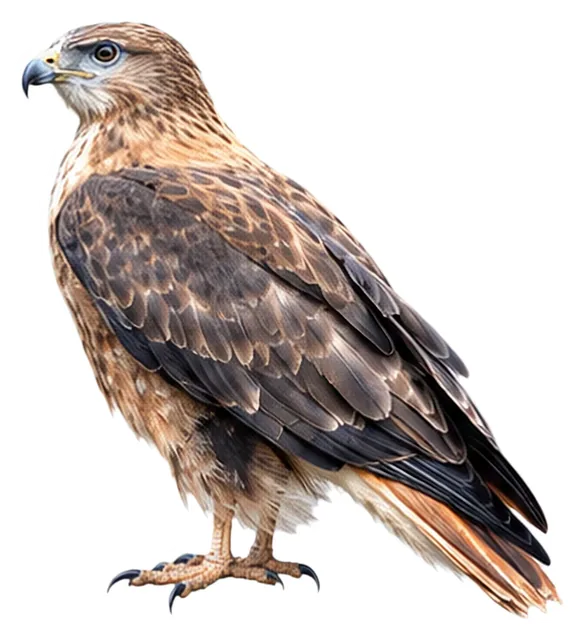
Upland Buzzard
Buteo hemilasius Temminck & Schlegel, 1845
65 cmLength152 cmWingspan1.4 kgWeight
This is the largest Buteo raptor, with long wings and a long tail, appearing more eagle-like than other buzzards.
Busiest months: December–January and May–June · Most records: China, Mongolia, South Korea
Looks like Long-legged Buzzard, Himalayan Buzzard, Eastern Buzzard
How to identify
Field marks
- Wings long, tail also relatively long
- Pale morph has a white breast and dark brown belly
- Dark morph almost entirely blackish-brown
- Wingtips and trailing edge black in flight
Voice
A drawn-out nasal call resembling that of Common Buzzard, but reportedly given less often.
Similar species
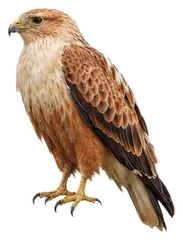
Upland Buzzard is said to be slightly larger and lacks the warmer tones of Long-legged Buzzard; the two are often difficult to distinguish in flight at a distance.
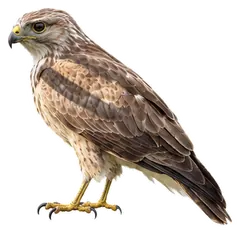
Himalayan Buzzard usually has a paler belly and less contrast between upperwing coverts and flight feathers.
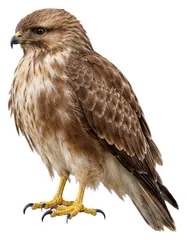
Eastern Buzzard usually has a paler belly and less contrast between upperwing coverts and flight feathers.
Where and when it's recorded
Busiest months: December–January and May–June · Most records: China, Mongolia, South Korea

Upland Buzzard has been recorded at 480 of the 8,276 birding hotspots we track, in 9 countries and regions.
Records by month Northern Hemisphere
Where it's recorded most
- Ugii Lake, Ugiinuur, Arkhangai, MNMongolia239 records
- Muravyevka ParkRussia181 records
- Khurkh Bird Ringing Station, Khentii, MNMongolia179 records
More places
- Gun Galuut NRMongolia145 records
- Guandu IBA – Guandu EmbankmentTaiwan (China)136 records
- Khovd Bird Ringing Station, Khovd, MNMongolia122 records
- Shahe ReservoirChina106 records
- Sang YuanChina91 records
- Shidu, Juma River PNRChina87 records
- Hustai NP, Argalant, Tuv, MNMongolia86 records
Countries and regions with the most records
eBird records via GBIF up to 2024-12-31. A record means someone listed it; more records partly mean more birders, not more birds.
About
The upland buzzard (Buteo hemilasius) is a species of bird of prey in the family Accipitridae. The largest species of the Buteo genus, this buzzard lives in mountainous grassy and rocky areas in areas of Central Asia, northern South Asia and East Asia from Kazakhstan to Korea. The upland buzzard is migratory but typically covers a short distance apparently to avoid snow cover that may hamper prey capture.
Excerpt from Wikipedia, CC BY-SA 4.0 · authors · Read more on Wikipedia
Questions
How big is the Upland Buzzard?
The Upland Buzzard is about 65 cm long, with a wingspan of 152 cm and weighs around 1.4 kg.
Where does the Upland Buzzard live?
Its breeding range: Palearctic: central, south-central Asia to southeastern Siberia and northeastern China. It is most often recorded in China, Mongolia and South Korea.
When is the best time to see the Upland Buzzard?
At the hotspots we track, it is recorded most in January, May, June and December (Northern Hemisphere).
Is the Upland Buzzard endangered?
The IUCN Red List classifies the Upland Buzzard as Least Concern.
What does the Upland Buzzard eat?
Main food: Vertebrate prey.
What family is the Upland Buzzard in?
It belongs to the family Kites, Hawks, Eagles (Accipitridae), order Accipitriformes.
At a glance
- Length
- 65 cm
- Wingspan
- 152 cm
- Weight
- 1.4 kg
- Habitat
- Grassland
- Diet
- Vertebrate prey
- Lifestyle
- Varied
- Migration
- Resident (barely migrates)
- Conservation
- Least Concern
More measurements
- Wing
- 467 mm
- Tail
- 251 mm
- Bill
- 41 mm
- Tarsus
- 80 mm
Averages from the AVONET dataset; length from field guides where available.
Range
Palearctic: central, south-central Asia to southeastern Siberia and northeastern China
Breeding range, IOC World Bird List 15.2
Classification
- Order
- Accipitriformes
- Family
- Kites, Hawks, Eagles Accipitridae
- Genus
- Buteo
Other birds in the genus Buteo
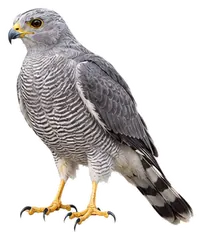 Grey HawkButeo plagiatus
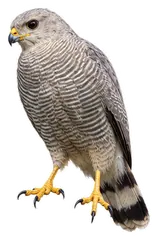 Grey-lined HawkButeo nitidus
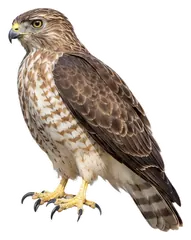 Broad-winged HawkButeo platypterus
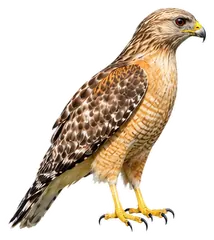 Red-shouldered HawkButeo lineatus
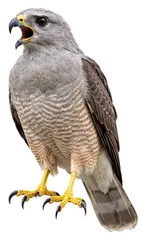 Ridgway's HawkButeo ridgwayi
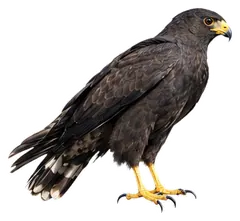 Zone-tailed HawkButeo albonotatus
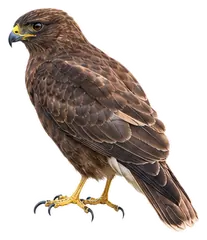 Hawaiian HawkButeo solitarius
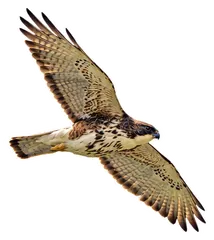 White-throated HawkButeo albigula
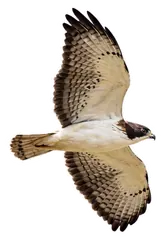 Short-tailed HawkButeo brachyurus
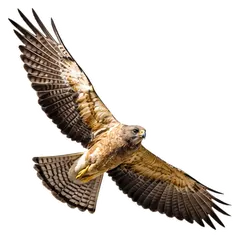 Swainson's HawkButeo swainsoni
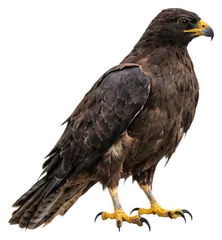 Galapagos HawkButeo galapagoensis
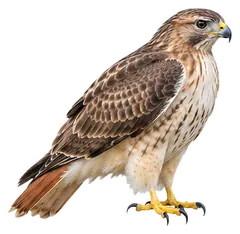 Red-tailed HawkButeo jamaicensis
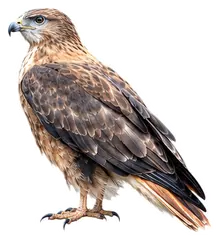
Download illustration
Free to use with credit: “Illustration: Bird Album (birdalbum.com)”. Drawn by AI from a reference photo by Dr.GunjanPandey. ↗

Heard it but can't see it? Mingji identifies birds by sound and photo, on your phone.