 Bird Album
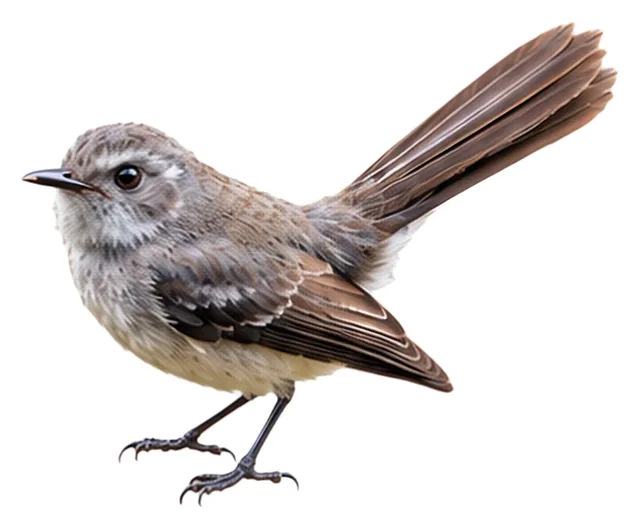
Mangrove Fantail
Rhipidura phasiana De Vis, 1885
6.9 gWeight
The mangrove fantail (Rhipidura phasiana) is a species of bird in the family Rhipiduridae.
Busiest months: June–August · Most records: Australia, Papua New Guinea
Where and when it's recorded
Busiest months: June–August · Most records: Australia, Papua New Guinea

Mangrove Fantail has been recorded at 13 of the 8,276 birding hotspots we track, in 2 countries and regions.
Records by month Southern Hemisphere
Where it's recorded most
- Crab Creek MangrovesAustralia1,740 records
- Broome Bird ObservatoryAustralia345 records
- Buffalo CreekAustralia69 records
More places
- Roebuck Plains StationAustralia20 records
- East Point Mangrove BoardwalkAustralia6 records
- Leanyer PondsAustralia6 records
- Lake EdaAustralia5 records
- East PointAustralia4 records
- Fogg Dam Conservation ReserveAustralia3 records
- Brown River/Vanapa River lowlandsPapua New Guinea1 record
Countries and regions with the most records
eBird records via GBIF up to 2024-12-31. A record means someone listed it; more records partly mean more birders, not more birds.
About
The mangrove fantail (Rhipidura phasiana) is a species of bird in the family Rhipiduridae. It is found in the Aru Islands and along the coast of southeastern New Guinea, western and northern Australia.
Excerpt from Wikipedia, CC BY-SA 4.0 · authors · Read more on Wikipedia
Questions
How big is the Mangrove Fantail?
The Mangrove Fantail weighs around 6.9 g.
Where does the Mangrove Fantail live?
Its breeding range: Australasia: southwestern Trans-Fly (south-central New Guinea), southern coast of southeastern New Guinea and western Western Australia to northwestern Queensland (coastal northern Australia). It is most often recorded in Australia and Papua New Guinea.
When is the best time to see the Mangrove Fantail?
At the hotspots we track, it is recorded most in June, July and August (Southern Hemisphere).
Is the Mangrove Fantail endangered?
The IUCN Red List classifies the Mangrove Fantail as Least Concern.
What does the Mangrove Fantail eat?
Main food: Insects & other invertebrates.
What family is the Mangrove Fantail in?
It belongs to the family Fantails (Rhipiduridae), order Passerines (Passeriformes).
At a glance
- Weight
- 6.9 g
- Habitat
- Woodland
- Diet
- Insects & other invertebrates
- Lifestyle
- Perches in trees
- Migration
- Resident (barely migrates)
- Conservation
- Least Concern
More measurements
- Wing
- 67 mm
- Tail
- 78 mm
- Bill
- 12 mm
- Tarsus
- 17 mm
Averages from the AVONET dataset; length from field guides where available.
Range
Australasia: southwestern Trans-Fly (south-central New Guinea), southern coast of southeastern New Guinea and western Western Australia to northwestern Queensland (coastal northern Australia)
Breeding range, IOC World Bird List 15.2
Classification
- Order
- Passerines Passeriformes
- Family
- Fantails Rhipiduridae
- Genus
- Rhipidura
Other birds in the genus Rhipidura
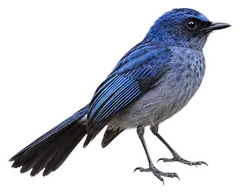 Mindanao Blue FantailRhipidura superciliaris
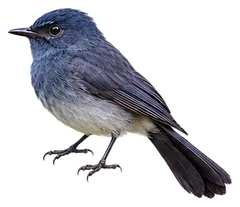 Visayan Blue FantailRhipidura samarensis
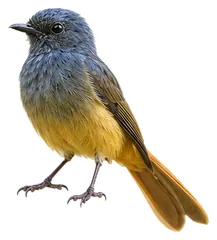 Blue-headed FantailRhipidura cyaniceps
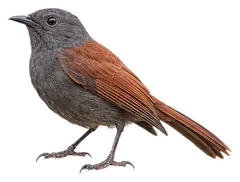 Tablas FantailRhipidura sauli
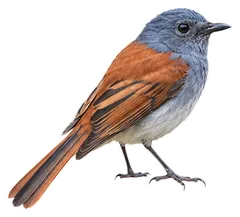 Visayan FantailRhipidura albiventris
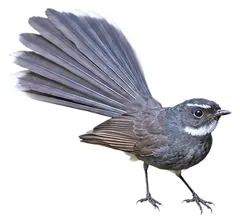 White-throated FantailRhipidura albicollis
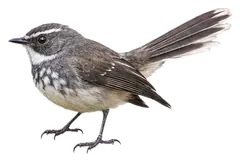 White-spotted FantailRhipidura albogularis
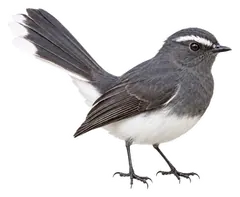 White-bellied FantailRhipidura euryura
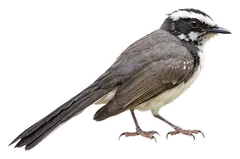 White-browed FantailRhipidura aureola
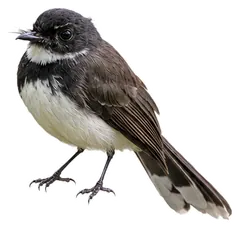 Sunda Pied FantailRhipidura javanica
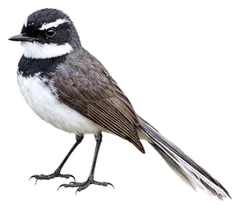 Philippine Pied FantailRhipidura nigritorquis
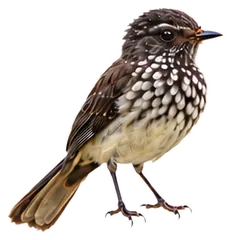 Spotted FantailRhipidura perlata
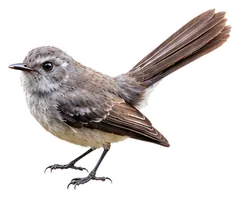
Download illustration
Free to use with credit: “Illustration: Bird Album (birdalbum.com)”. Drawn by AI from a reference photo by Lorraine Harris. ↗
Heard it but can't see it? Mingji identifies birds by sound and photo, on your phone.
In other languages
- EnglishMangrove Fantail
- 简体中文红树扇尾鹟
- 繁體中文紅樹扇尾鶲
- 日本語マングローブオウギビタキ
- DeutschMangrovefächerschwanz
- FrançaisRhipidure des mangroves
- EspañolAbanico de manglar
- Portuguêsrabo-de-leque-dos-mangais
- ItalianoCodaventaglio delle mangrovie
- NederlandsMangrovewaaierstaart
- РусскийМангровая веерохвостка
- Svenskamangrovesolfjäderstjärt
- DanskMangrove Viftehale
- Polskiwachlarzówka namorzynowa