 Bird Album
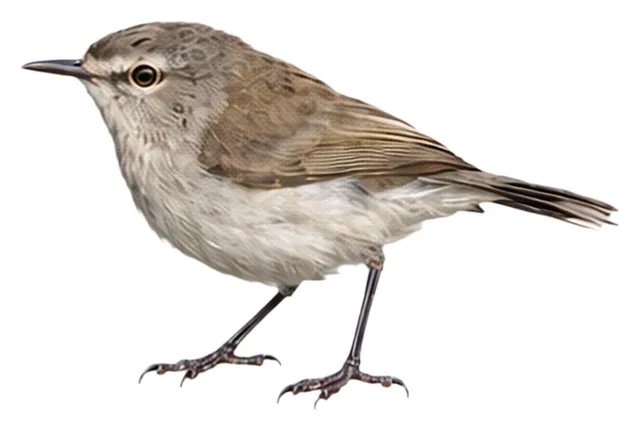
Mangrove Gerygone
Gerygone levigaster Gould, 1843
6.2 gWeight
The mangrove gerygone (Gerygone levigaster) is a species of bird in the Australian warbler family Acanthizidae.
Busiest months: January and September–October · Most records: Australia, Indonesia, Papua New Guinea
Where and when it's recorded

Mangrove Gerygone has been recorded at 60 of the 8,171 birding hotspots we track, in 3 countries and regions.
Records by month Southern Hemisphere
Where it's recorded most
- Tinchi Tamba Wetlands ReserveAustralia2,162 records
- Oxley Creek CommonAustralia1,822 records
- Kedron Brook Wetlands ReserveAustralia1,574 records
More places
- Lytton Wader Roost and Wynnum Mangrove BoardwalkAustralia1,229 records
- Tabbil-ban dhagun BoardwalkAustralia897 records
- Buckleys Hole Conservation Park – Buckleys HoleAustralia666 records
- Port of Brisbane Shorebird RoostAustralia605 records
- Hunter Wetlands National Park – Stockton SandspitAustralia595 records
- Ovens Head and adjacent mangrovesAustralia590 records
- Buffalo CreekAustralia560 records
Countries and regions with the most records
eBird records via GBIF up to 2024-12-31. A record means someone listed it; more records partly mean more birders, not more birds.
About
The mangrove gerygone (Gerygone levigaster) is a species of bird in the Australian warbler family Acanthizidae. The species is also known as the mangrove warbler. The species is thought to form a superspecies with the closely related fan-tailed gerygone of Melanesia and the Australian western gerygone.
Excerpt from Wikipedia, CC BY-SA 4.0 · authors · Read more on Wikipedia
Questions
How big is the Mangrove Gerygone?
The Mangrove Gerygone weighs around 6.2 g.
Where does the Mangrove Gerygone live?
Its breeding range: Australasia: coastal southern New Guinea and northern, eastern Australia. It is most often recorded in Australia, Indonesia and Papua New Guinea.
When is the best time to see the Mangrove Gerygone?
At the hotspots we track, it is recorded most in January, September and October (Southern Hemisphere).
Is the Mangrove Gerygone endangered?
The IUCN Red List classifies the Mangrove Gerygone as Least Concern.
What does the Mangrove Gerygone eat?
Main food: Insects & other invertebrates.
What family is the Mangrove Gerygone in?
It belongs to the family Australasian Warblers (Acanthizidae), order Passerines (Passeriformes).
At a glance
- Weight
- 6.2 g
- Habitat
- Woodland
- Diet
- Insects & other invertebrates
- Lifestyle
- Perches in trees
- Migration
- Resident (barely migrates)
- Conservation
- Least Concern
More measurements
- Wing
- 54 mm
- Tail
- 40 mm
- Bill
- 12 mm
- Tarsus
- 17 mm
Averages from the AVONET dataset; length from field guides where available.
Range
Australasia: coastal southern New Guinea and northern, eastern Australia
Breeding range, IOC World Bird List 15.2
Classification
- Order
- Passerines Passeriformes
- Family
- Australasian Warblers Acanthizidae
- Genus
- Gerygone
Other birds in the genus Gerygone
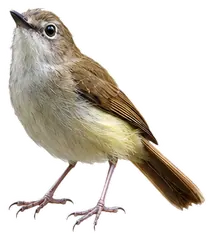 Yellow-bellied GerygoneGerygone chrysogaster
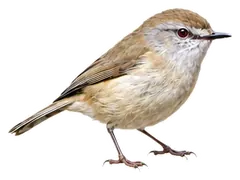 Brown GerygoneGerygone mouki
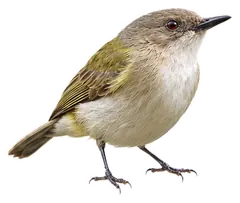 Green-backed GerygoneGerygone chloronota
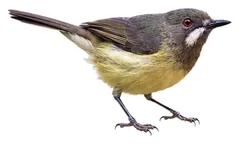 Fairy GerygoneGerygone palpebrosa
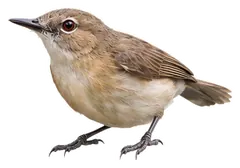 Large-billed GerygoneGerygone magnirostris
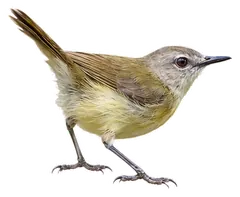 Biak GerygoneGerygone hypoxantha
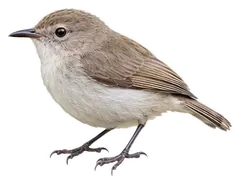 Plain GerygoneGerygone inornata
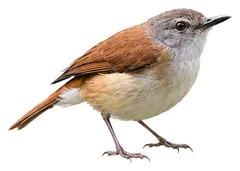 Rufous-sided GerygoneGerygone dorsalis
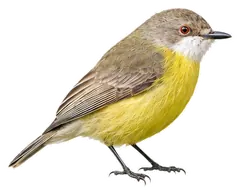 White-throated GerygoneGerygone olivacea
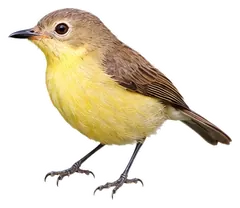 Golden-bellied GerygoneGerygone sulphurea
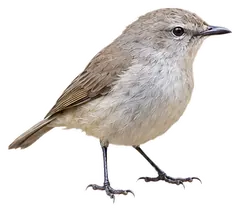 Dusky GerygoneGerygone tenebrosa
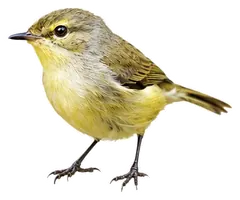 Fan-tailed GerygoneGerygone flavolateralis
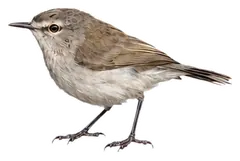
Download illustration
Free to use with credit: “Illustration: Bird Album (birdalbum.com)”. Drawn by AI from a reference photo by Steve Murray. ↗
Heard it but can't see it? Mingji identifies birds by sound and photo, on your phone.
In other languages
- EnglishMangrove Gerygone
- 简体中文棕胸噪刺莺
- 繁體中文棕胸吵刺鶯
- 日本語マングローブセンニョムシクイ
- DeutschMangrovegerygone
- FrançaisGérygone des mangroves
- EspañolGerigón de manglar
- Portuguêsgerígono-dos-mangais
- ItalianoGerigone delle mangrovie
- NederlandsWitbrauwmangrovezanger
- РусскийМангровая геригона
- Svenskamangrovesångsmyg
- DanskMangrovetræsanger
- Polskikrzakówka namorzynowa