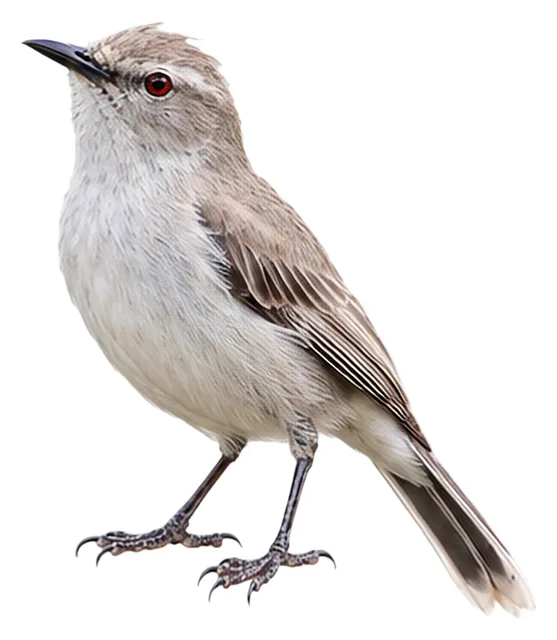
Western Gerygone
Gerygone fusca (Gould, 1838)
5.4 gWeight
The western gerygone (Gerygone fusca) is a small, brownish-grey species of passerine bird, which is found in inland and south-west Australia.
Busiest months: January and September–November · Most records: Australia
Where and when it's recorded
Busiest months: January and September–November · Most records: Australia

Western Gerygone has been recorded at 47 of the 8,276 birding hotspots we track, in 1 country or region.
Records by month Southern Hemisphere
Where it's recorded most
- Herdsman LakeAustralia2,195 records
- Mt Ainslie Nature Reserve – Campbell ParkAustralia1,054 records
- Victoria Dam – Access road, track and picnic areaAustralia743 records
More places
- Bibra LakeAustralia702 records
- Gemmill Swamp Wildlife ReserveAustralia563 records
- Lake McLarty Nature ReserveAustralia542 records
- Chiltern-Mt Pilot National Park – Bartleys BlockAustralia378 records
- Bowra Wildlife SanctuaryAustralia356 records
- North LakeAustralia348 records
- Chiltern-Mt Pilot National Park – ChilternAustralia180 records
Countries and regions with the most records
eBird records via GBIF up to 2024-12-31. A record means someone listed it; more records partly mean more birders, not more birds.
About
The western gerygone (Gerygone fusca) is a small, brownish-grey species of passerine bird, which is found in inland and south-west Australia. It is an arboreal, insectivore of open forest, woodland and dry shrubland. It is not currently threatened with extinction (IUCN: Least Concern).
Excerpt from Wikipedia, CC BY-SA 4.0 · authors · Read more on Wikipedia
Questions
How big is the Western Gerygone?
The Western Gerygone weighs around 5.4 g.
Where does the Western Gerygone live?
Its breeding range: Australasia: Australia (except south-central, eastern, Tasmania). It is most often recorded in Australia.
When is the best time to see the Western Gerygone?
At the hotspots we track, it is recorded most in January, September, October and November (Southern Hemisphere).
Is the Western Gerygone endangered?
The IUCN Red List classifies the Western Gerygone as Least Concern.
What does the Western Gerygone eat?
Main food: Insects & other invertebrates.
What family is the Western Gerygone in?
It belongs to the family Australasian Warblers (Acanthizidae), order Passerines (Passeriformes).
At a glance
- Weight
- 5.4 g
- Habitat
- Woodland
- Diet
- Insects & other invertebrates
- Lifestyle
- Perches in trees
- Migration
- Resident (barely migrates)
- Conservation
- Least Concern
More measurements
- Wing
- 57 mm
- Tail
- 42 mm
- Bill
- 11 mm
- Tarsus
- 17 mm
Averages from the AVONET dataset; length from field guides where available.
Range
Australasia: Australia (except south-central, eastern, Tasmania)
Breeding range, IOC World Bird List 15.2
Classification
- Order
- Passerines Passeriformes
- Family
- Australasian Warblers Acanthizidae
- Genus
- Gerygone
Other birds in the genus Gerygone
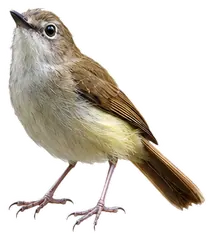 Yellow-bellied GerygoneGerygone chrysogaster
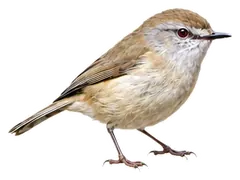 Brown GerygoneGerygone mouki
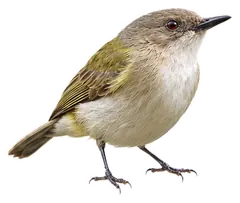 Green-backed GerygoneGerygone chloronota
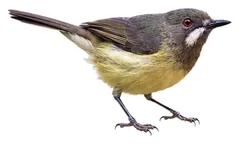 Fairy GerygoneGerygone palpebrosa
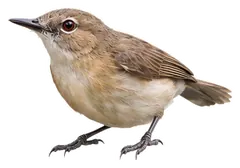 Large-billed GerygoneGerygone magnirostris
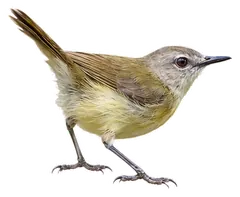 Biak GerygoneGerygone hypoxantha
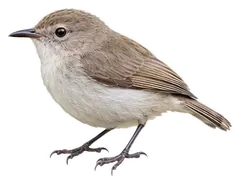 Plain GerygoneGerygone inornata
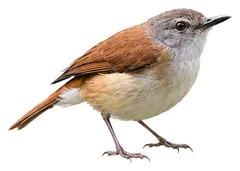 Rufous-sided GerygoneGerygone dorsalis
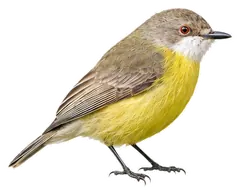 White-throated GerygoneGerygone olivacea
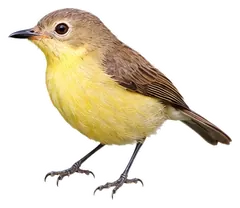 Golden-bellied GerygoneGerygone sulphurea
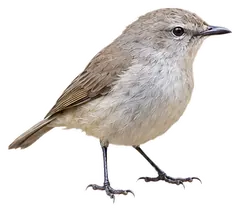 Dusky GerygoneGerygone tenebrosa
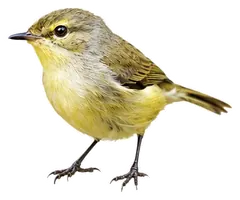 Fan-tailed GerygoneGerygone flavolateralis
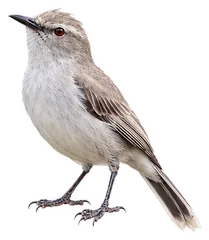
Download illustration
Free to use with credit: “Illustration: Bird Album (birdalbum.com)”. Drawn by AI from a reference photo by Nik Borrow. ↗
Heard it but can't see it? Mingji identifies birds by sound and photo, on your phone.
In other languages
- EnglishWestern Gerygone
- 简体中文西噪刺莺
- 繁體中文西方吵刺鶯
- 日本語オジロセンニョムシクイ
- DeutschWeißschwanzgerygone
- FrançaisGérygone à queue blanche
- EspañolGerigón coliblanco
- Portuguêsgerígono-de-cauda-branca
- ItalianoGerigone occidentale
- NederlandsWitstaartmangrovezanger
- РусскийБелохвостая геригона
- Svenskavitstjärtad sångsmyg
- DanskHvidhalet Træsanger
- Polskikrzakówka białosterna