 Bird Album
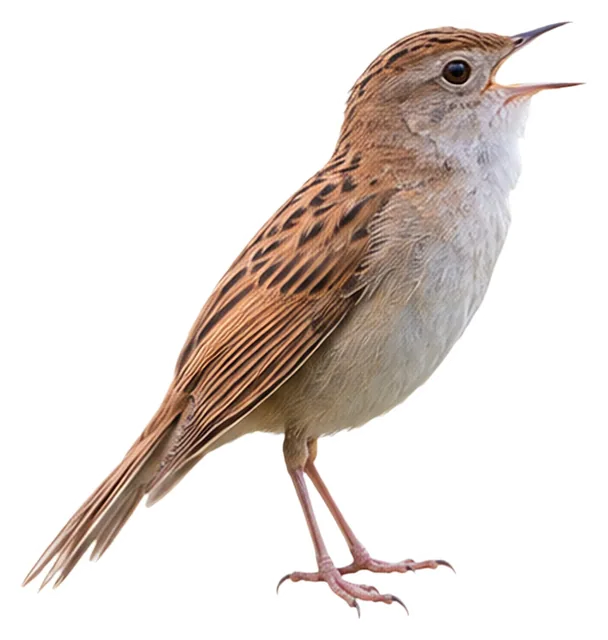
Marsh Grassbird
Helopsaltes pryeri (Seebohm, 1884)
≈12 cmLength14 gWeight
This marsh-dwelling warbler is threatened by habitat loss.
Busiest months: April · Most records: China, Japan, Mongolia
How to identify
Where and when it's recorded

Marsh Grassbird has been recorded at 69 of the 8,171 birding hotspots we track, in 4 countries and regions.
Records by month Northern Hemisphere
Where it's recorded most
- Nanhui DongtanChina220 records
- Inashiki – Kasumigaura – Ukishima Marsh and Myoginohana Bird BlindJapan84 records
- Tochigi – Watarase GreenspaceJapan48 records
More places
- Tochigi – Watarase Retention Ponds / Yanaka LakeJapan43 records
- NanjishanChina32 records
- Chongming Dongtan NNRChina31 records
- Poyang Lake National Wetland ParkChina23 records
- Wu ChengChina21 records
- Mai Po NR #8b Reedbed RingingHong Kong (China)18 records
- Mai Po NR – #8b ReedbedHong Kong (China)18 records
Countries and regions with the most records
eBird records via GBIF up to 2024-12-31. A record means someone listed it; more records partly mean more birders, not more birds.
About
The marsh grassbird (Helopsaltes pryeri), also known as the Japanese swamp warbler, is a species of Old World warbler in the family Locustellidae. It is found in China, Japan, South Korea, Mongolia, and Russia.
Excerpt from Wikipedia, CC BY-SA 4.0 · authors · Read more on Wikipedia
Questions
How big is the Marsh Grassbird?
The Marsh Grassbird is about ≈12 cm long and weighs around 14 g.
Where does the Marsh Grassbird live?
Its breeding range: Palearctic: northeastern Mongolia to Primorskiy (far southeastern Russia), northeastern, eastern China and Honshu (central Japan). It is most often recorded in China, Japan and Mongolia.
When is the best time to see the Marsh Grassbird?
At the hotspots we track, it is recorded most in April (Northern Hemisphere).
Is the Marsh Grassbird endangered?
The IUCN Red List classifies the Marsh Grassbird as Least Concern.
What does the Marsh Grassbird eat?
Main food: Insects & other invertebrates.
What family is the Marsh Grassbird in?
It belongs to the family Grassbirds & Allies (Locustellidae), order Passerines (Passeriformes).
At a glance
- Length
- ≈12 cm
- Weight
- 14 g
- Habitat
- Wetland
- Diet
- Insects & other invertebrates
- Lifestyle
- Perches in trees
- Migration
- Migratory
- Conservation
- Least Concern
More measurements
- Wing
- 52 mm
- Tail
- 53 mm
- Bill
- 12 mm
- Tarsus
- 21 mm
Averages from the AVONET dataset; length from field guides where available.
Range
Palearctic: northeastern Mongolia to Primorskiy (far southeastern Russia), northeastern, eastern China and Honshu (central Japan)
Breeding range, IOC World Bird List 15.2
Subspecies · 1
- Helopsaltes pryeri sinensis ne Mongolia to Primorskiy (far se Russia), ne, e China | non-breeding: to se China
Classification
- Order
- Passerines Passeriformes
- Family
- Grassbirds & Allies Locustellidae
- Genus
- Helopsaltes
Other birds in the genus Helopsaltes
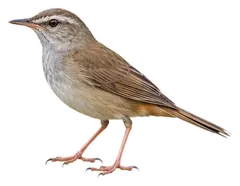 Gray's Grasshopper WarblerHelopsaltes fasciolatus
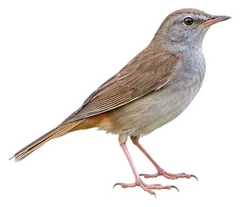 Sakhalin Grasshopper WarblerHelopsaltes amnicola
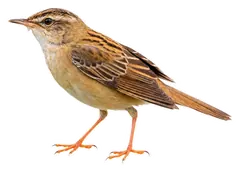 Pallas's Grasshopper WarblerHelopsaltes certhiola
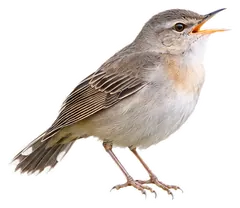 Middendorff's Grasshopper WarblerHelopsaltes ochotensis
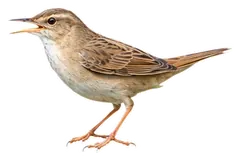 Styan's Grasshopper WarblerHelopsaltes pleskei
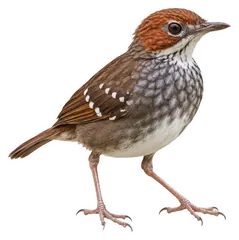 Cordillera Ground WarblerRobsonius rabori
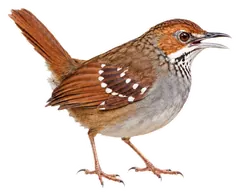 Sierra Madre Ground WarblerRobsonius thompsoni
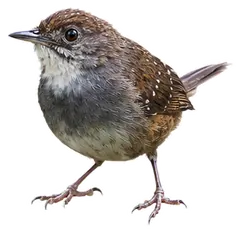 Bicol Ground WarblerRobsonius sorsogonensis
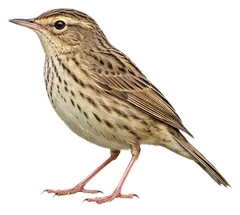 Lanceolated WarblerLocustella lanceolata
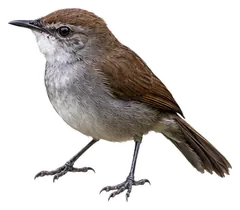 Bamboo WarblerLocustella alfredi
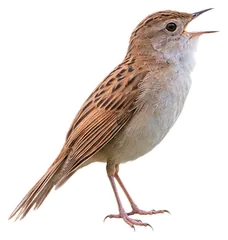
Download illustration
Free to use with credit: “Illustration: Bird Album (birdalbum.com)”. Drawn by AI from a reference photo by Temnurus. ↗
Heard it but can't see it? Mingji identifies birds by sound and photo, on your phone.
In other languages
- EnglishMarsh Grassbird
- 简体中文斑背大尾莺
- 繁體中文斑背大尾鶯
- 日本語オオセッカ
- 한국어큰개개비
- DeutschRiedschwirl
- FrançaisLocustelle du Japon
- EspañolYerbera japonesa
- Portuguêscigarrinha-do-japão
- ItalianoErbarolo di palude
- NederlandsJapanse Grasvogel
- РусскийЯпонский сверчок
- Svenskakilstjärtad smygsångare
- DanskJapansk Græshoppesanger
- Polskiświerszczak bagienny