 Bird Album
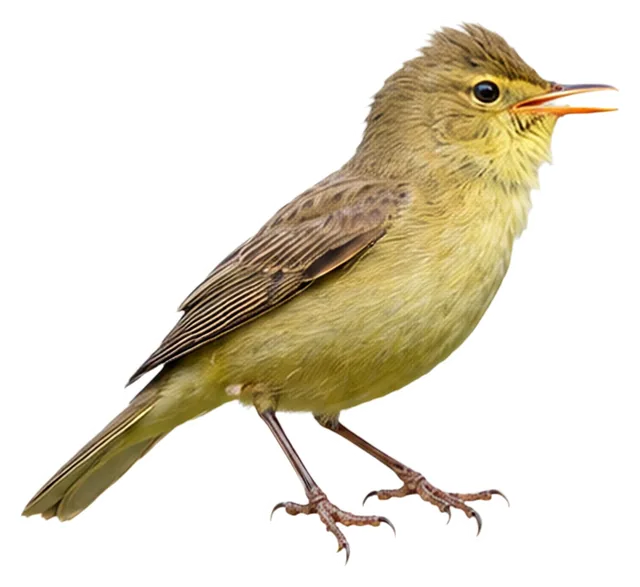
Melodious Warbler
Hippolais polyglotta (Vieillot, 1817)
12–13 cmLength11 gWeight
The melodious warbler (Hippolais polyglotta) is an Old World warbler in the tree warbler genus Hippolais.
Busiest months: May · Most records: Spain, Portugal, France
Where and when it's recorded

Melodious Warbler has been recorded at 427 of the 8,171 birding hotspots we track, in 42 countries and regions.
Records by month Northern Hemisphere
Where it's recorded most
- Txingudi – PlaiaundiSpain920 records
- El Oso – Laguna y entornoSpain554 records
- Balsa de Zolina/EzkorizSpain538 records
More places
- Balsa de LozaSpain444 records
- Inurritza Biotopo – InurritzaSpain422 records
- Embalse de Pedrezuela – Guadalix de la SierraSpain351 records
- Desembocadura del Guadalhorce – ÁreaSpain283 records
- Embalse de Las Cañas RNSpain278 records
- Sureste PNat – Soto de las JuntasSpain240 records
- Doñana PN – Centro de Visitantes La RocinaSpain231 records
Countries and regions with the most records
eBird records via GBIF up to 2024-12-31. A record means someone listed it; more records partly mean more birders, not more birds.
About
The melodious warbler (Hippolais polyglotta) is an Old World warbler in the tree warbler genus Hippolais. It breeds in southwest Europe and northwest Africa. It is migratory, wintering in sub-Saharan Africa.
Excerpt from Wikipedia, CC BY-SA 4.0 · authors · Read more on Wikipedia
Questions
How big is the Melodious Warbler?
The Melodious Warbler is about 12–13 cm long and weighs around 11 g.
Where does the Melodious Warbler live?
Its breeding range: Palearctic: southwestern Europe and northwestern Africa. It is most often recorded in Spain, Portugal and France.
When is the best time to see the Melodious Warbler?
At the hotspots we track, it is recorded most in May (Northern Hemisphere).
Is the Melodious Warbler endangered?
The IUCN Red List classifies the Melodious Warbler as Least Concern.
What does the Melodious Warbler eat?
Main food: Insects & other invertebrates.
What family is the Melodious Warbler in?
It belongs to the family Reed Warblers & Allies (Acrocephalidae), order Passerines (Passeriformes).
At a glance
- Length
- 12–13 cm
- Weight
- 11 g
- Habitat
- Woodland
- Diet
- Insects & other invertebrates
- Lifestyle
- Perches in trees
- Migration
- Migratory
- Conservation
- Least Concern
More measurements
- Wing
- 66 mm
- Tail
- 49 mm
- Bill
- 14 mm
- Tarsus
- 20 mm
Averages from the AVONET dataset; length from field guides where available.
Range
Palearctic: southwestern Europe and northwestern Africa
Breeding range, IOC World Bird List 15.2
Classification
- Order
- Passerines Passeriformes
- Family
- Reed Warblers & Allies Acrocephalidae
- Genus
- Hippolais
Other birds in the genus Hippolais
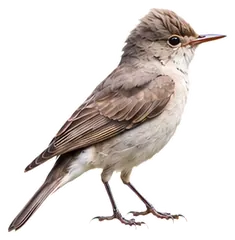 Upcher's WarblerHippolais languida
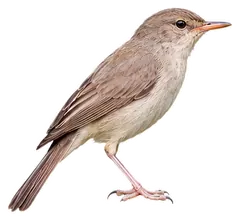 Olive-tree WarblerHippolais olivetorum
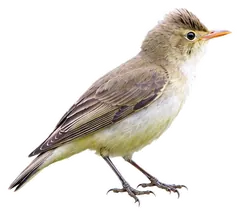 Icterine WarblerHippolais icterina
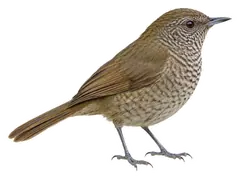 Grauer's WarblerGraueria vittata
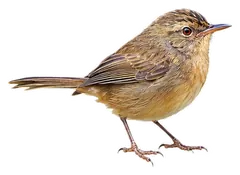 Malagasy Brush WarblerNesillas typica
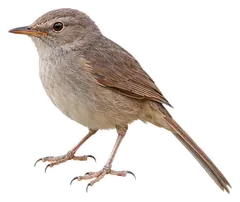 Subdesert Brush WarblerNesillas lantzii
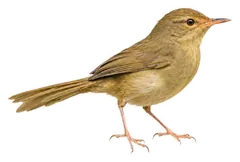 Anjouan Brush WarblerNesillas longicaudata
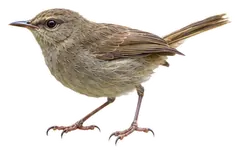 Grande Comore Brush WarblerNesillas brevicaudata
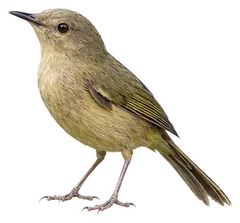 Moheli Brush WarblerNesillas mariae
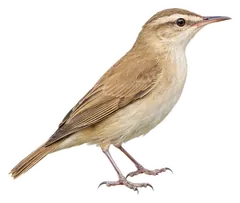 Basra Reed WarblerAcrocephalus griseldis
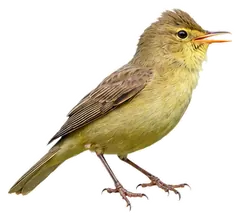
Download illustration
Free to use with credit: “Illustration: Bird Album (birdalbum.com)”. Drawn by AI from reference photos. ↗
Heard it but can't see it? Mingji identifies birds by sound and photo, on your phone.