 Bird Album
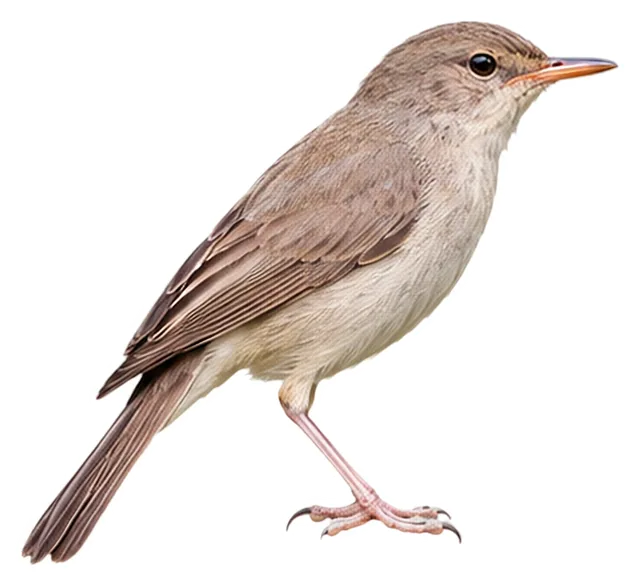
Olive-tree Warbler
Hippolais olivetorum (Strickland, 1837)
18 gWeight
The olive-tree warbler (Hippolais olivetorum) is a species of passerine bird in the family Acrocephalidae, the reed and tree warblers.
Busiest months: May · Most records: Israel, Kenya, South Africa
Where and when it's recorded

Olive-tree Warbler has been recorded at 104 of the 8,171 birding hotspots we track, in 20 countries and regions.
Records by month Northern Hemisphere
Where it's recorded most
- Jerusalem Bird ObservatoryIsrael1,006 records
- International Birding and Research Center Eilat (IBRCE)Israel195 records
- Gazelle ValleyIsrael137 records
More places
- Tsavo West NP – Ngulia LodgeKenya130 records
- Lake DystosGreece43 records
- Yeruham LakeIsrael43 records
- Zaagkuildrift RdSouth Africa40 records
- Lake KarlaGreece36 records
- Tsavo West NPKenya24 records
- Kgomo-KgomoSouth Africa24 records
Countries and regions with the most records
eBird records via GBIF up to 2024-12-31. A record means someone listed it; more records partly mean more birders, not more birds.
About
The olive-tree warbler (Hippolais olivetorum) is a species of passerine bird in the family Acrocephalidae, the reed and tree warblers. It breeds in southeast Europe and the Near East. It is migratory, wintering in eastern and southern Africa, from Kenya south to South Africa.
Excerpt from Wikipedia, CC BY-SA 4.0 · authors · Read more on Wikipedia
Questions
How big is the Olive-tree Warbler?
The Olive-tree Warbler weighs around 18 g.
Where does the Olive-tree Warbler live?
Its breeding range: Palearctic: Croatia and Greece to Bulgaria, Turkey and Israel. It is most often recorded in Israel, Kenya and South Africa.
When is the best time to see the Olive-tree Warbler?
At the hotspots we track, it is recorded most in May (Northern Hemisphere).
Is the Olive-tree Warbler endangered?
The IUCN Red List classifies the Olive-tree Warbler as Least Concern.
What does the Olive-tree Warbler eat?
Main food: Insects & other invertebrates.
What family is the Olive-tree Warbler in?
It belongs to the family Reed Warblers & Allies (Acrocephalidae), order Passerines (Passeriformes).
At a glance
- Weight
- 18 g
- Habitat
- Towns & farmland
- Diet
- Insects & other invertebrates
- Lifestyle
- Perches in trees
- Migration
- Migratory
- Conservation
- Least Concern
More measurements
- Wing
- 87 mm
- Tail
- 69 mm
- Bill
- 18 mm
- Tarsus
- 23 mm
Averages from the AVONET dataset; length from field guides where available.
Range
Palearctic: Croatia and Greece to Bulgaria, Turkey and Israel
Breeding range, IOC World Bird List 15.2
Classification
- Order
- Passerines Passeriformes
- Family
- Reed Warblers & Allies Acrocephalidae
- Genus
- Hippolais
Other birds in the genus Hippolais
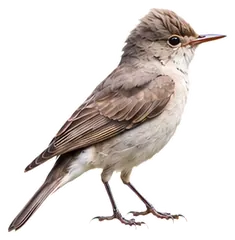 Upcher's WarblerHippolais languida
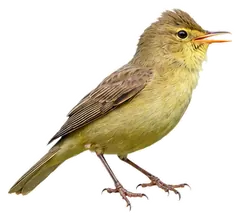 Melodious WarblerHippolais polyglotta
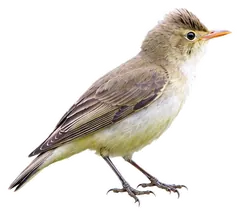 Icterine WarblerHippolais icterina
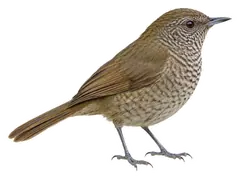 Grauer's WarblerGraueria vittata
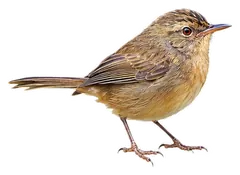 Malagasy Brush WarblerNesillas typica
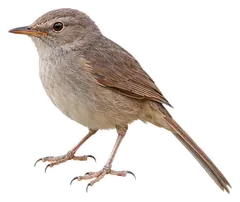 Subdesert Brush WarblerNesillas lantzii
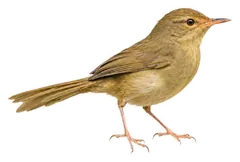 Anjouan Brush WarblerNesillas longicaudata
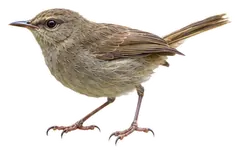 Grande Comore Brush WarblerNesillas brevicaudata
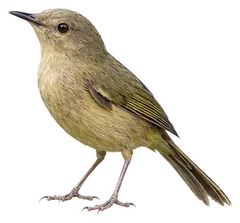 Moheli Brush WarblerNesillas mariae
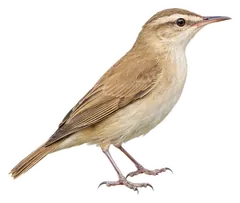 Basra Reed WarblerAcrocephalus griseldis
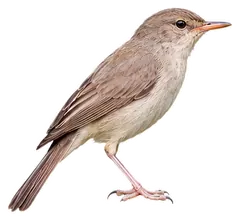
Download illustration
Free to use with credit: “Illustration: Bird Album (birdalbum.com)”. Drawn by AI from a reference photo by Carlos N. G. Bocos. ↗
Heard it but can't see it? Mingji identifies birds by sound and photo, on your phone.
In other languages
- EnglishOlive-tree Warbler
- 简体中文橄榄篱莺
- 繁體中文橄欖樹蘺鶯
- 日本語オリーブウタイムシクイ
- DeutschOlivenspötter
- FrançaisHypolaïs des oliviers
- EspañolZarcero grande
- Portuguêsfelosa-das-oliveiras
- ItalianoCanapino levantino
- NederlandsGriekse Spotvogel
- РусскийСредиземноморская пересмешка
- Svenskaolivsångare
- DanskOlivensanger
- Polskizaganiacz oliwny