 Bird Album
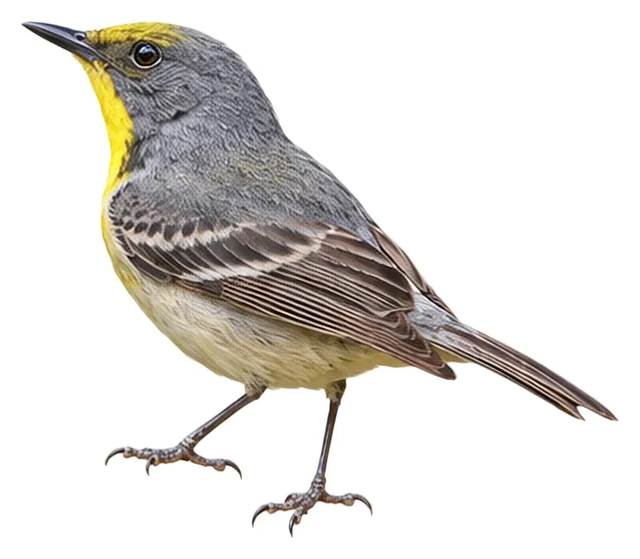
Olive-capped Warbler
Setophaga pityophila (Gundlach, 1855)
12–13 cmLength8 gWeight
The olive-capped warbler (Setophaga pityophila) is a species of bird in the family Parulidae, the New World warblers.
Busiest months: February · Most records: Cuba, Bahamas
Where and when it's recorded

Olive-capped Warbler has been recorded at 9 of the 8,171 birding hotspots we track, in 2 countries and regions.
Records by month Northern Hemisphere
Where it's recorded most
- Reserva de la Biosfera Sierra del Rosario – Las TerrazasCuba429 records
- Hacienda CortinaCuba216 records
- Cueva de los PortalesCuba100 records
More places
- Jardín Botánico NacionalCuba74 records
- Abaco – Sandy PointBahamas31 records
- Abaco – Bahama Palm ShoresBahamas18 records
- Rand Nature CenterBahamas8 records
- Grand Bahama - Garden of the GrovesBahamas1 record
- Reef Golf Course - FreeportBahamas1 record
Countries and regions with the most records
eBird records via GBIF up to 2024-12-31. A record means someone listed it; more records partly mean more birders, not more birds.
About
The olive-capped warbler (Setophaga pityophila) is a species of bird in the family Parulidae, the New World warblers. It is found in Cuba and in the Bahamas on Grand Bahama, Little Abaco, and Great Abaco.
Excerpt from Wikipedia, CC BY-SA 4.0 · authors · Read more on Wikipedia
Questions
How big is the Olive-capped Warbler?
The Olive-capped Warbler is about 12–13 cm long and weighs around 8 g.
Where does the Olive-capped Warbler live?
Its breeding range: North America: Cuba and Bahamas. It is most often recorded in Cuba and Bahamas.
When is the best time to see the Olive-capped Warbler?
At the hotspots we track, it is recorded most in February (Northern Hemisphere).
Is the Olive-capped Warbler endangered?
The IUCN Red List classifies the Olive-capped Warbler as Least Concern.
What does the Olive-capped Warbler eat?
Main food: Insects & other invertebrates.
What family is the Olive-capped Warbler in?
It belongs to the family New World Warblers (Parulidae), order Passerines (Passeriformes).
At a glance
- Length
- 12–13 cm
- Weight
- 8 g
- Habitat
- Forest
- Diet
- Insects & other invertebrates
- Lifestyle
- Perches in trees
- Migration
- Resident (barely migrates)
- Conservation
- Least Concern
More measurements
- Wing
- 58 mm
- Tail
- 53 mm
- Bill
- 13 mm
- Tarsus
- 16 mm
Averages from the AVONET dataset; length from field guides where available.
Range
North America: Cuba and Bahamas
Breeding range, IOC World Bird List 15.2
Classification
- Order
- Passerines Passeriformes
- Family
- New World Warblers Parulidae
- Genus
- Setophaga
Other birds in the genus Setophaga
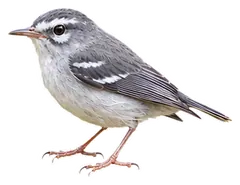 Plumbeous WarblerSetophaga plumbea
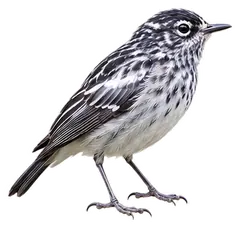 Elfin Woods WarblerSetophaga angelae
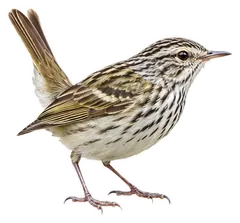 Arrowhead WarblerSetophaga pharetra
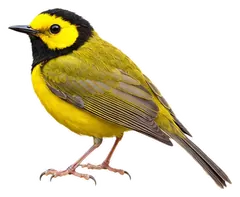 Hooded WarblerSetophaga citrina
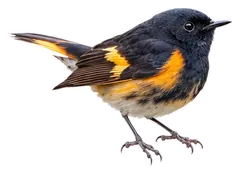 American RedstartSetophaga ruticilla
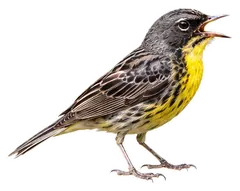 Kirtland's WarblerSetophaga kirtlandii
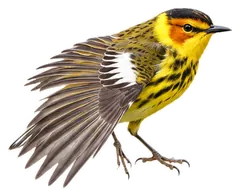 Cape May WarblerSetophaga tigrina
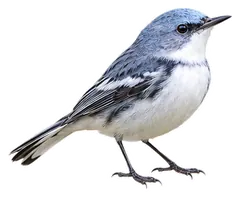 Cerulean WarblerSetophaga cerulea
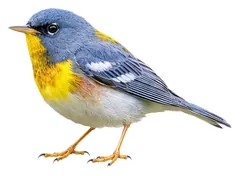 Northern ParulaSetophaga americana
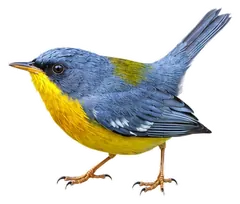 Tropical ParulaSetophaga pitiayumi
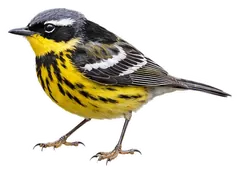 Magnolia WarblerSetophaga magnolia
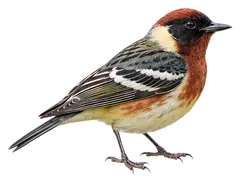 Bay-breasted WarblerSetophaga castanea
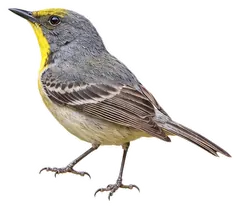
Download illustration
Free to use with credit: “Illustration: Bird Album (birdalbum.com)”. Drawn by AI from a reference photo by Jeffrey Offermann. ↗
Heard it but can't see it? Mingji identifies birds by sound and photo, on your phone.
In other languages
- EnglishOlive-capped Warbler
- 简体中文绿顶林莺
- 繁體中文橄綠頂林鶯
- 日本語キューバアメリカムシクイ
- DeutschKubawaldsänger
- FrançaisParuline à calotte verte
- EspañolReinita coroniverde
- Portuguêsmariquita-de-fronte-oliva
- ItalianoParula capoliva
- NederlandsCubazanger
- РусскийКубинская древесница
- Svenskaolivkronad skogssångare
- DanskOlivenkronet Sanger
- Polskilasówka kubańska