 Bird Album
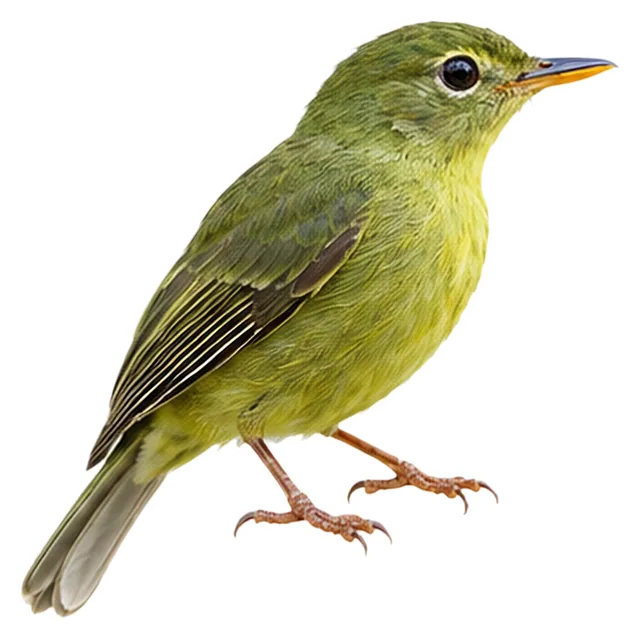
Olive Flyrobin
Kempiella flavovirescens (Gray, GR, 1858)
15 gWeight
Busiest months: July–August · Most records: Papua New Guinea, Indonesia
Where and when it's recorded
Busiest months: July–August · Most records: Papua New Guinea, Indonesia

Olive Flyrobin has been recorded at 15 of the 8,276 birding hotspots we track, in 2 countries and regions.
Records by month Southern Hemisphere
Where it's recorded most
- Varirata National ParkPapua New Guinea199 records
- MalagufukIndonesia61 records
- West Waigeo birding roadIndonesia50 records
More places
- Nimbokrang – KM 8Indonesia36 records
- Malagufuk villageIndonesia14 records
- Alex Waisimon's PropertyIndonesia12 records
- West Waigeo forest - Red and Wilson's BOP sites areaIndonesia9 records
- Sera (formerly Crater Mountain) Biological Research StationPapua New Guinea8 records
- Tabubil AreaPapua New Guinea4 records
- Arfak Mtns – German CampIndonesia4 records
Countries and regions with the most records
eBird records via GBIF up to 2024-12-31. A record means someone listed it; more records partly mean more birders, not more birds.
Questions
How big is the Olive Flyrobin?
The Olive Flyrobin weighs around 15 g.
Where does the Olive Flyrobin live?
Its breeding range: Australasia: Raja Ampat Islands (northwest of New Guinea), Aru Islands (southwest of New Guinea), Yapen (Geelvink Bay islands, northwestern New Guinea) and New Guinea. It is most often recorded in Papua New Guinea and Indonesia.
When is the best time to see the Olive Flyrobin?
At the hotspots we track, it is recorded most in July and August (Southern Hemisphere).
Is the Olive Flyrobin endangered?
The IUCN Red List classifies the Olive Flyrobin as Least Concern.
What does the Olive Flyrobin eat?
Main food: Insects & other invertebrates.
What family is the Olive Flyrobin in?
It belongs to the family Australasian Robins (Petroicidae), order Passerines (Passeriformes).
At a glance
- Weight
- 15 g
- Habitat
- Forest
- Diet
- Insects & other invertebrates
- Lifestyle
- Perches in trees
- Migration
- Resident (barely migrates)
- Conservation
- Least Concern
More measurements
- Wing
- 78 mm
- Tail
- 62 mm
- Bill
- 14 mm
- Tarsus
- 12 mm
Averages from the AVONET dataset; length from field guides where available.
Range
Australasia: Raja Ampat Islands (northwest of New Guinea), Aru Islands (southwest of New Guinea), Yapen (Geelvink Bay islands, northwestern New Guinea) and New Guinea
Breeding range, IOC World Bird List 15.2
Classification
- Order
- Passerines Passeriformes
- Family
- Australasian Robins Petroicidae
- Genus
- Kempiella
Other birds in the genus Kempiella
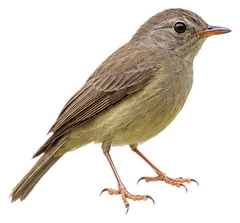 Yellow-legged FlyrobinKempiella griseoceps
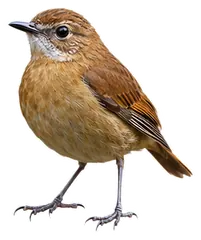 Lesser Ground RobinAmalocichla incerta
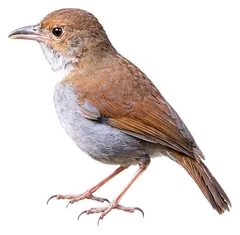 Greater Ground RobinAmalocichla sclateriana
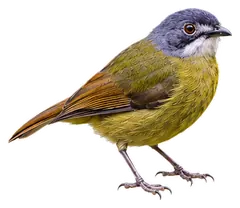 Green-backed RobinPachycephalopsis hattamensis
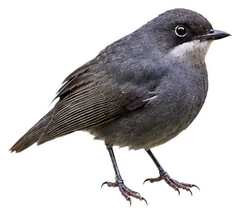 White-eyed RobinPachycephalopsis poliosoma
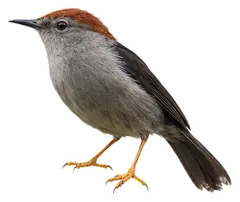 Garnet RobinEugerygone rubra
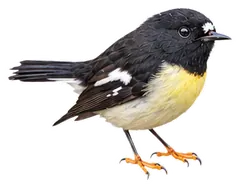 TomtitPetroica macrocephala
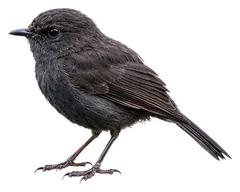 Black RobinPetroica traversi
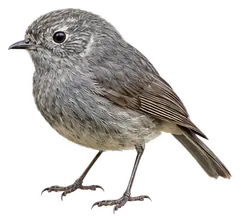 North Island RobinPetroica longipes
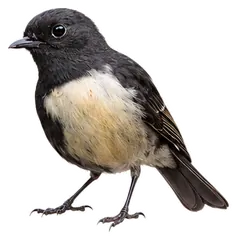 South Island RobinPetroica australis
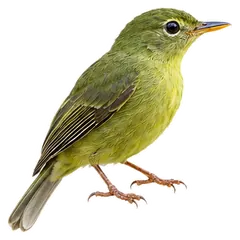
Download illustration
Free to use with credit: “Illustration: Bird Album (birdalbum.com)”. Drawn by AI from a reference photo by Carlos N. G. Bocos. ↗
Heard it but can't see it? Mingji identifies birds by sound and photo, on your phone.