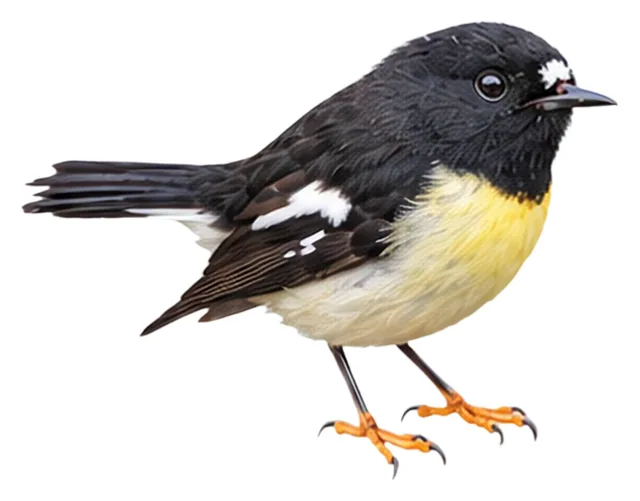
Tomtit
Petroica macrocephala (Gmelin, JF, 1789)
12 gWeight
The tomtit (Petroica macrocephala) is a small passerine bird in the family Petroicidae, the Australasian robins.
Busiest months: January and November · Most records: New Zealand
Where and when it's recorded
Busiest months: January and November · Most records: New Zealand

Tomtit has been recorded at 39 of the 8,276 birding hotspots we track, in 1 country or region.
Records by month Southern Hemisphere
Where it's recorded most
- Rakiura NP – Ulva IslandNew Zealand742 records
- Fiordland NP – Lake Gunn Nature WalkNew Zealand449 records
- Blumine Island | OruawairuaNew Zealand432 records
More places
- Orokonui EcosanctuaryNew Zealand396 records
- Fiordland NP – Mirror LakesNew Zealand253 records
- Maungatautari – Southern Enclosure & Tautari WetlandNew Zealand168 records
- Rotokare Scenic ReserveNew Zealand145 records
- Fiordland NP – Milford SoundNew Zealand144 records
- Stewart Island – Oban & Halfmoon BayNew Zealand143 records
- Ulva Island West EndNew Zealand114 records
Countries and regions with the most records
eBird records via GBIF up to 2024-12-31. A record means someone listed it; more records partly mean more birders, not more birds.
About
The tomtit (Petroica macrocephala) is a small passerine bird in the family Petroicidae, the Australasian robins. It is endemic to the islands of New Zealand, ranging across the main islands as well as several of the outlying islands. In the Māori language, the North Island tomtit is known as miromiro and the South Island tomtit is known as ngirungiru.
Excerpt from Wikipedia, CC BY-SA 4.0 · authors · Read more on Wikipedia
Questions
How big is the Tomtit?
The Tomtit weighs around 12 g.
Where does the Tomtit live?
Its breeding range: Australasia: North, South, Stewart, Chatham, Snares and Auckland islands (New Zealand). It is most often recorded in New Zealand.
When is the best time to see the Tomtit?
At the hotspots we track, it is recorded most in January and November (Southern Hemisphere).
Is the Tomtit endangered?
The IUCN Red List classifies the Tomtit as Least Concern.
What does the Tomtit eat?
Main food: Insects & other invertebrates.
What family is the Tomtit in?
It belongs to the family Australasian Robins (Petroicidae), order Passerines (Passeriformes).
At a glance
- Weight
- 12 g
- Habitat
- Forest
- Diet
- Insects & other invertebrates
- Lifestyle
- Perches in trees
- Migration
- Resident (barely migrates)
- Conservation
- Least Concern
More measurements
- Wing
- 74 mm
- Tail
- 54 mm
- Bill
- 12 mm
- Tarsus
- 22 mm
Averages from the AVONET dataset; length from field guides where available.
Range
Australasia: North, South, Stewart, Chatham, Snares and Auckland islands (New Zealand)
Breeding range, IOC World Bird List 15.2
Classification
- Order
- Passerines Passeriformes
- Family
- Australasian Robins Petroicidae
- Genus
- Petroica
Other birds in the genus Petroica
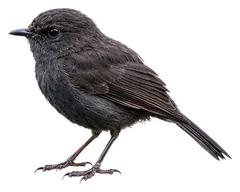 Black RobinPetroica traversi
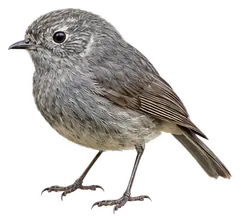 North Island RobinPetroica longipes
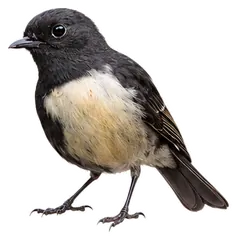 South Island RobinPetroica australis
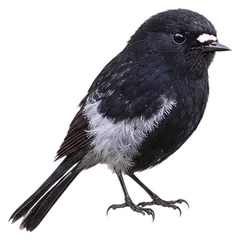 Mountain RobinPetroica bivittata
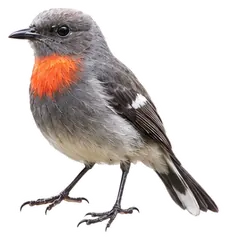 Snow Mountain RobinPetroica archboldi
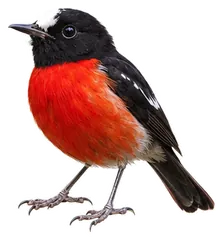 Norfolk RobinPetroica multicolor
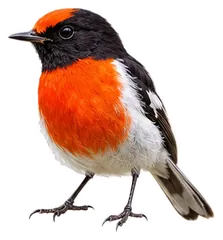 Red-capped RobinPetroica goodenovii
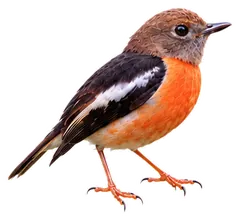 Solomons RobinPetroica polymorpha
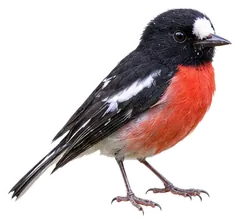 Pacific RobinPetroica pusilla
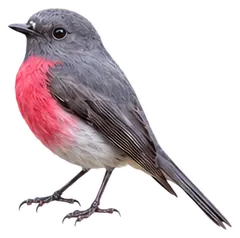 Rose RobinPetroica rosea
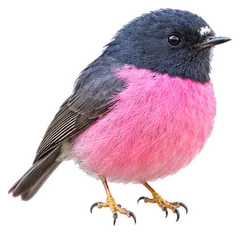 Pink RobinPetroica rodinogaster
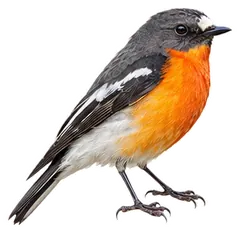 Flame RobinPetroica phoenicea
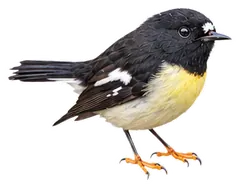
Download illustration
Free to use with credit: “Illustration: Bird Album (birdalbum.com)”. Drawn by AI from a reference photo by Michael. ↗
Heard it but can't see it? Mingji identifies birds by sound and photo, on your phone.