 Bird Album
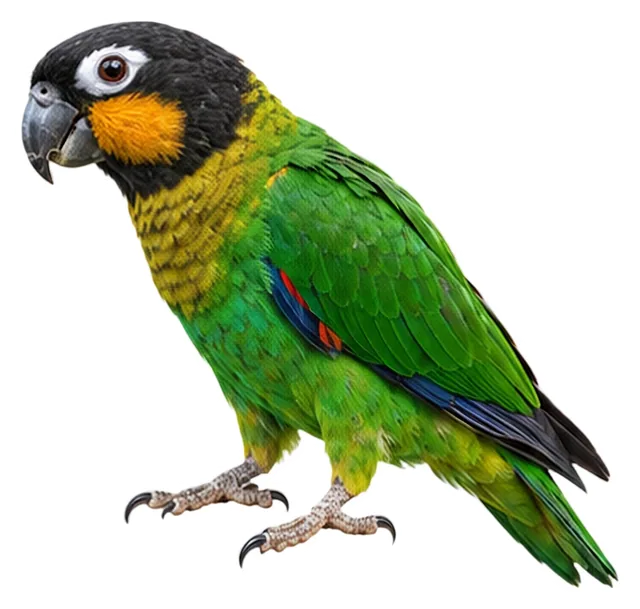
Orange-cheeked Parrot
Pyrilia barrabandi (Kuhl, 1820)
140 gWeight
The orange-cheeked parrot (Pyrilia barrabandi), also known as Barraband's parrot, is a species of parrot in the family Psittacidae.
Busiest months: July and October · Most records: Peru, Brazil, Ecuador
Where and when it's recorded

Orange-cheeked Parrot has been recorded at 57 of the 8,171 birding hotspots we track, in 5 countries and regions.
Records by month Southern Hemisphere
Where it's recorded most
- Blanquillo Macaw Clay LickPeru343 records
- Tambopata Research CenterPeru321 records
- Jardim da AmazôniaBrazil297 records
More places
- Rio Cristalino – listas históricasBrazil222 records
- Napo Wildlife CenterEcuador159 records
- Shiripuno LodgeEcuador150 records
- Tiputini Biodiversity StationEcuador146 records
- Explorer's InnPeru136 records
- Senda Mitú CachiveraColombia136 records
- Sani LodgeEcuador112 records
Countries and regions with the most records
eBird records via GBIF up to 2024-12-31. A record means someone listed it; more records partly mean more birders, not more birds.
About
The orange-cheeked parrot (Pyrilia barrabandi), also known as Barraband's parrot, is a species of parrot in the family Psittacidae. It was formerly placed in the genus Pionopsitta, which is now monotypic.
Excerpt from Wikipedia, CC BY-SA 4.0 · authors · Read more on Wikipedia
Questions
How big is the Orange-cheeked Parrot?
The Orange-cheeked Parrot weighs around 140 g.
Where does the Orange-cheeked Parrot live?
Its breeding range: South America: western Amazonia. It is most often recorded in Peru, Brazil and Ecuador.
When is the best time to see the Orange-cheeked Parrot?
At the hotspots we track, it is recorded most in July and October (Southern Hemisphere).
Is the Orange-cheeked Parrot endangered?
The IUCN Red List classifies the Orange-cheeked Parrot as Least Concern.
What does the Orange-cheeked Parrot eat?
Main food: Omnivore.
What family is the Orange-cheeked Parrot in?
It belongs to the family African & New World Parrots (Psittacidae), order Parrot (Psittaciformes).
At a glance
- Weight
- 140 g
- Habitat
- Forest
- Diet
- Omnivore
- Lifestyle
- Perches in trees
- Migration
- Resident (barely migrates)
- Conservation
- Least Concern
More measurements
- Wing
- 166 mm
- Tail
- 70 mm
- Bill
- 26 mm
- Tarsus
- 16 mm
Averages from the AVONET dataset; length from field guides where available.
Range
South America: western Amazonia
Breeding range, IOC World Bird List 15.2
Classification
- Order
- Parrot Psittaciformes
- Family
- African & New World Parrots Psittacidae
- Genus
- Pyrilia
Other birds in the genus Pyrilia
 Brown-hooded ParrotPyrilia haematotis
 Saffron-headed ParrotPyrilia pyrilia
 Rose-faced ParrotPyrilia pulchra
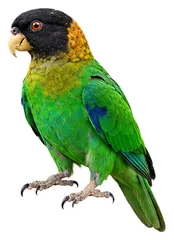 Caica ParrotPyrilia caica
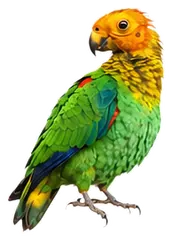 Bald ParrotPyrilia aurantiocephala
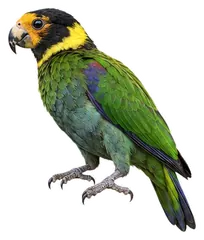 Vulturine ParrotPyrilia vulturina
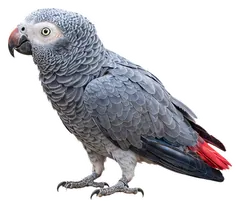
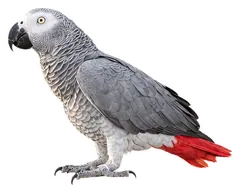 Grey ParrotPsittacus erithacus
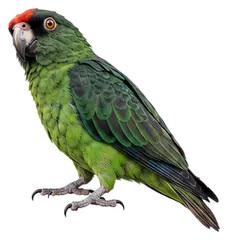
 Timneh ParrotPsittacus timneh
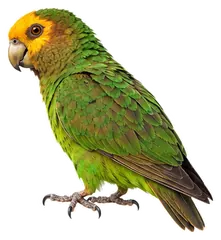
 Red-fronted ParrotPoicephalus gulielmi
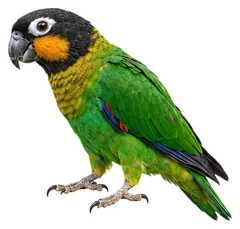
 Yellow-fronted ParrotPoicephalus flavifrons
Download illustration
Free to use with credit: “Illustration: Bird Album (birdalbum.com)”. Drawn by AI from a reference photo by Luciano Bernardes. ↗
Heard it but can't see it? Mingji identifies birds by sound and photo, on your phone.
In other languages
- EnglishOrange-cheeked Parrot
- 简体中文橙颊鹦哥
- 繁體中文橙頰鸚哥
- 日本語キンホオインコ
- DeutschGoldwangenpapagei
- FrançaisCaïque de Barraband
- EspañolLorito carinaranja
- Portuguêscurica-de-bochecha-laranja
- ItalianoPappagallo guancearancio
- NederlandsBarrabands Papegaai
- РусскийЖелтощёкий лорито
- Svenskaorangekindad papegoja
- DanskOrangekindet Pragtpapegøje
- Polskibarwinka złotolica