 Bird Album
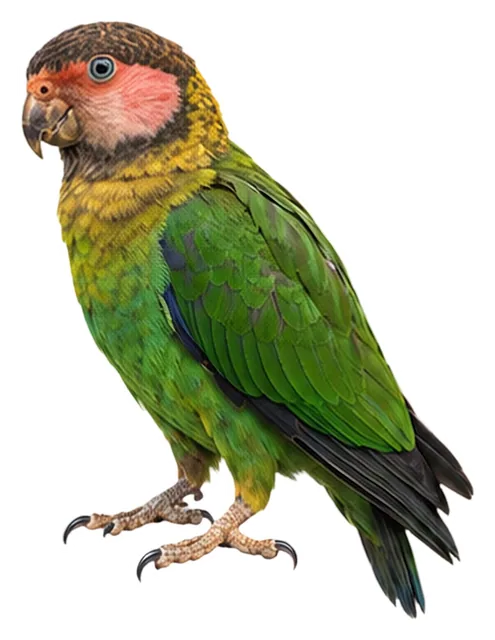
Rose-faced Parrot
Pyrilia pulchra (Berlepsch, 1897)
22–23 cmLength150 gWeight
The rose-faced parrot (Pyrilia pulchra) is a species of bird in subfamily Arinae of the family Psittacidae, the African and New World parrots.
Busiest months: November–February · Most records: Ecuador, Colombia
Where and when it's recorded

Rose-faced Parrot has been recorded at 46 of the 8,171 birding hotspots we track, in 2 countries and regions.
Records by month Northern Hemisphere
Where it's recorded most
- Reserva Mashpi-AmagusaEcuador2,935 records
- El Pangán ProAves reserveColombia1,723 records
- RN San Cipriano-EscalereteColombia803 records
More places
- Mindo – Vía a las cascadasEcuador505 records
- Reserva Rio CanandeEcuador395 records
- Rio Silanche Bird SanctuaryEcuador327 records
- San Jorge de MilpeEcuador318 records
- Mashpi – Lodge and trailsEcuador222 records
- Milpe Bird SanctuaryEcuador222 records
- Playa de Oro Reserva de Los TigrillosEcuador200 records
Countries and regions with the most records
eBird records via GBIF up to 2024-12-31. A record means someone listed it; more records partly mean more birders, not more birds.
About
The rose-faced parrot (Pyrilia pulchra) is a species of bird in subfamily Arinae of the family Psittacidae, the African and New World parrots. It is found in Colombia and Ecuador.
Excerpt from Wikipedia, CC BY-SA 4.0 · authors · Read more on Wikipedia
Questions
How big is the Rose-faced Parrot?
The Rose-faced Parrot is about 22–23 cm long and weighs around 150 g.
Where does the Rose-faced Parrot live?
Its breeding range: South America: western Colombia to northwestern Ecuador. It is most often recorded in Ecuador and Colombia.
When is the best time to see the Rose-faced Parrot?
At the hotspots we track, it is recorded most in January, February, November and December (Northern Hemisphere).
Is the Rose-faced Parrot endangered?
The IUCN Red List classifies the Rose-faced Parrot as Least Concern.
What does the Rose-faced Parrot eat?
Main food: Fruit.
What family is the Rose-faced Parrot in?
It belongs to the family African & New World Parrots (Psittacidae), order Parrot (Psittaciformes).
At a glance
- Length
- 22–23 cm
- Weight
- 150 g
- Habitat
- Forest
- Diet
- Fruit
- Lifestyle
- Perches in trees
- Migration
- Resident (barely migrates)
- Conservation
- Least Concern
More measurements
- Wing
- 152 mm
- Tail
- 68 mm
- Bill
- 27 mm
- Tarsus
- 17 mm
Averages from the AVONET dataset; length from field guides where available.
Range
South America: western Colombia to northwestern Ecuador
Breeding range, IOC World Bird List 15.2
Classification
- Order
- Parrot Psittaciformes
- Family
- African & New World Parrots Psittacidae
- Genus
- Pyrilia
Other birds in the genus Pyrilia
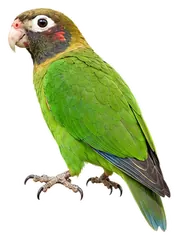 Brown-hooded ParrotPyrilia haematotis
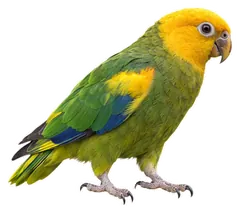 Saffron-headed ParrotPyrilia pyrilia
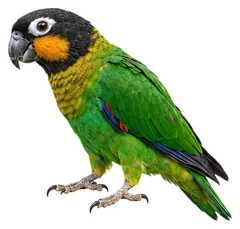 Orange-cheeked ParrotPyrilia barrabandi
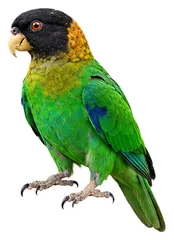 Caica ParrotPyrilia caica
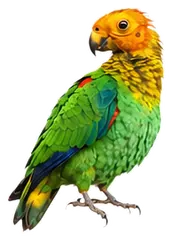 Bald ParrotPyrilia aurantiocephala
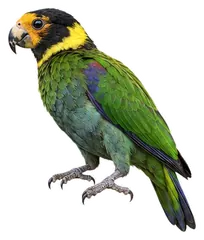 Vulturine ParrotPyrilia vulturina
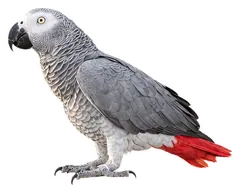 Grey ParrotPsittacus erithacus
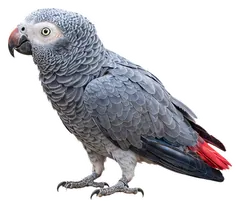 Timneh ParrotPsittacus timneh
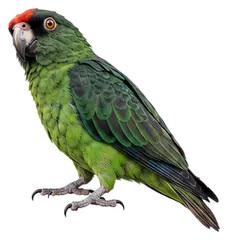 Red-fronted ParrotPoicephalus gulielmi
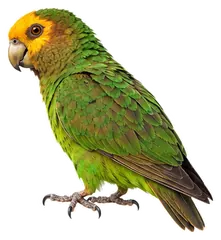 Yellow-fronted ParrotPoicephalus flavifrons
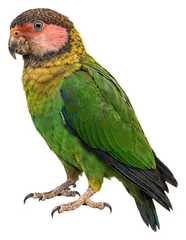
Download illustration
Free to use with credit: “Illustration: Bird Album (birdalbum.com)”. Drawn by AI from a reference photo by Alexandre Terrigeol. ↗
Heard it but can't see it? Mingji identifies birds by sound and photo, on your phone.
In other languages
- EnglishRose-faced Parrot
- 简体中文粉脸鹦哥
- 繁體中文麗色鸚哥
- 日本語メカシインコ
- DeutschRosenwangenpapagei
- FrançaisCaïque à joues roses
- EspañolLorito carirrosado
- Portuguêscurica-de-bochecha-rosada
- ItalianoPappagallo facciarosa
- NederlandsRozewangpapegaai
- РусскийРозовощёкий лорито
- Svenskarosakindad papegoja
- DanskRødmasket Pragtpapegøje
- Polskibarwinka różowolica