 Bird Album
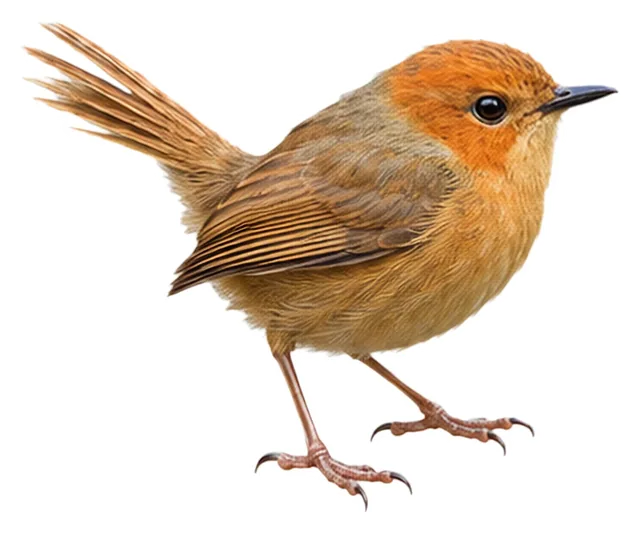
Orange-crowned Fairywren
Clytomyias insignis Sharpe, 1879
12 gWeight
The orange-crowned fairywren (Clytomyias insignis) is a species of passerine bird in the Australasian wren family, Maluridae.
Busiest months: July–August · Most records: Papua New Guinea, Indonesia
Where and when it's recorded

Orange-crowned Fairywren has been recorded at 11 of the 8,171 birding hotspots we track, in 2 countries and regions.
Records by month Southern Hemisphere
Where it's recorded most
- Rondon RidgePapua New Guinea75 records
- Kumul LodgePapua New Guinea48 records
- Ambua LodgePapua New Guinea37 records
More places
- Arfak Mtns – German CampIndonesia28 records
- Highlands Hwy – above Ambua Lodge to Tari GapPapua New Guinea17 records
- Rondon Ridge LodgePapua New Guinea14 records
- Tomba & Murmur Pass [2400-2800m]Papua New Guinea10 records
- Tari GapPapua New Guinea9 records
- Mt Komonge RidgePapua New Guinea4 records
- Minggre Birdwatching HomestayIndonesia4 records
Countries and regions with the most records
eBird records via GBIF up to 2024-12-31. A record means someone listed it; more records partly mean more birders, not more birds.
About
The orange-crowned fairywren (Clytomyias insignis) is a species of passerine bird in the Australasian wren family, Maluridae. It is monotypic within the genus Clytomyias.
Excerpt from Wikipedia, CC BY-SA 4.0 · authors · Read more on Wikipedia
Questions
How big is the Orange-crowned Fairywren?
The Orange-crowned Fairywren weighs around 12 g.
Where does the Orange-crowned Fairywren live?
Its breeding range: Australasia: montane New Guinea. It is most often recorded in Papua New Guinea and Indonesia.
When is the best time to see the Orange-crowned Fairywren?
At the hotspots we track, it is recorded most in July and August (Southern Hemisphere).
Is the Orange-crowned Fairywren endangered?
The IUCN Red List classifies the Orange-crowned Fairywren as Least Concern.
What does the Orange-crowned Fairywren eat?
Main food: Insects & other invertebrates.
What family is the Orange-crowned Fairywren in?
It belongs to the family Australasian Wrens (Maluridae), order Passerines (Passeriformes).
At a glance
- Weight
- 12 g
- Habitat
- Forest
- Diet
- Insects & other invertebrates
- Lifestyle
- Perches in trees
- Migration
- Resident (barely migrates)
- Conservation
- Least Concern
More measurements
- Wing
- 56 mm
- Tail
- 71 mm
- Bill
- 16 mm
- Tarsus
- 24 mm
Averages from the AVONET dataset; length from field guides where available.
Range
Australasia: montane New Guinea
Breeding range, IOC World Bird List 15.2
Classification
- Order
- Passerines Passeriformes
- Family
- Australasian Wrens Maluridae
- Genus
- Clytomyias
More from the family Australasian Wrens
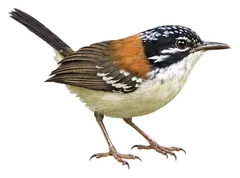 Wallace's FairywrenSipodotus wallacii
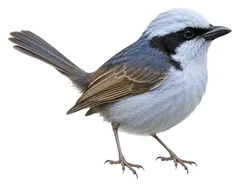 Broad-billed FairywrenChenorhamphus grayi
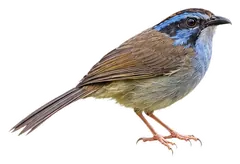 Campbell's FairywrenChenorhamphus campbelli
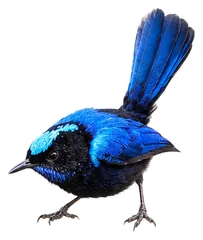 Emperor FairywrenMalurus cyanocephalus
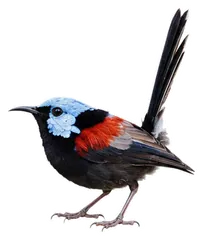 Lovely FairywrenMalurus amabilis
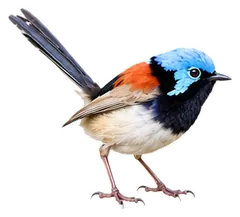 Purple-backed FairywrenMalurus assimilis
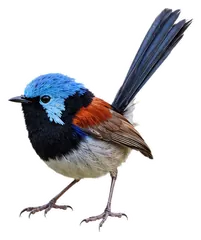 Variegated FairywrenMalurus lamberti
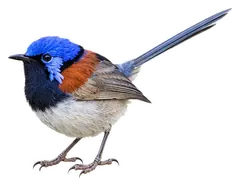 Blue-breasted FairywrenMalurus pulcherrimus
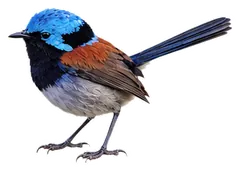 Red-winged FairywrenMalurus elegans
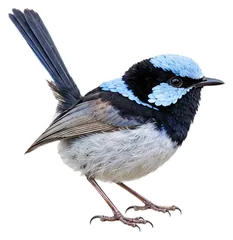 Superb FairywrenMalurus cyaneus
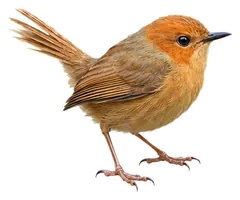
Download illustration
Free to use with credit: “Illustration: Bird Album (birdalbum.com)”. Drawn by AI from a reference photo by Markus Lilje. ↗
Heard it but can't see it? Mingji identifies birds by sound and photo, on your phone.
In other languages
- EnglishOrange-crowned Fairywren
- 简体中文棕鹩莺
- 繁體中文棕鷯鶯
- 日本語ヒロハシムシクイ
- DeutschRotkopf-Staffelschwanz
- FrançaisMérion à tête rousse
- EspañolMaluro cabecirrojo
- Portuguêsfadinha-de-capuz-laranja
- ItalianoScricciolo fatato capoarancio
- NederlandsRoodkapelfje
- РусскийРыжий малюр
- Svenskarostblåsmyg
- DanskBrun Alfesmutte
- Polskichwostka rdzawa