 Bird Album
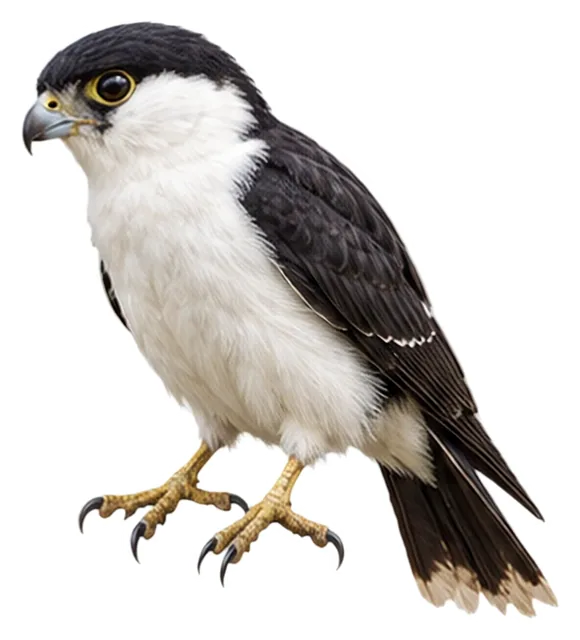
Philippine Falconet
Microhierax erythrogenys (Vigors, 1831)
50 gWeight
The Philippine falconet (Microhierax erythrogenys) is a species of bird of prey in the family Falconidae, genus Microhierax.
Busiest months: February–March · Most records: Philippines
Where and when it's recorded
Busiest months: February–March · Most records: Philippines

Philippine Falconet has been recorded at 26 of the 8,276 birding hotspots we track, in 1 country or region.
Records by month Northern Hemisphere
Where it's recorded most
- Subic Bay – Nabasan TrailPhilippines430 records
- Subic BayPhilippines142 records
- Bislig lowlands – PICOP Road 4Philippines142 records
More places
- Subic Bay – Hill 394 roadPhilippines117 records
- Bislig lowlands – PICOP Road 42Philippines109 records
- Bislig lowlands – PICOP Roads 1-4Philippines107 records
- Mt. Makiling Forest Reserve – TrailPhilippines101 records
- Mt. Makiling Forest Reserve – TREESPhilippines69 records
- Caylabne Bay Resort, TernatePhilippines68 records
- Bislig lowlands – 321 Quarry TrailPhilippines65 records
Countries and regions with the most records
eBird records via GBIF up to 2024-12-31. A record means someone listed it; more records partly mean more birders, not more birds.
About
The Philippine falconet (Microhierax erythrogenys) is a species of bird of prey in the family Falconidae, genus Microhierax. It is endemic to the lowland forests of Philippines, and can often be seen near open forest edges hunting flying insects. Philippine falconets nest in woodpecker holes of dead trees, and can be seen fairly commonly within their suitable habitats.
Excerpt from Wikipedia, CC BY-SA 4.0 · authors · Read more on Wikipedia
Questions
How big is the Philippine Falconet?
The Philippine Falconet weighs around 50 g.
Where does the Philippine Falconet live?
Its breeding range: Oriental: Philippines (except Palawan group and Sulu Archipelago). It is most often recorded in Philippines.
When is the best time to see the Philippine Falconet?
At the hotspots we track, it is recorded most in February and March (Northern Hemisphere).
Is the Philippine Falconet endangered?
The IUCN Red List classifies the Philippine Falconet as Least Concern.
What does the Philippine Falconet eat?
Main food: Insects & other invertebrates.
What family is the Philippine Falconet in?
It belongs to the family Caracaras, Falcons (Falconidae), order Falconiformes.
At a glance
- Weight
- 50 g
- Habitat
- Forest
- Diet
- Insects & other invertebrates
- Lifestyle
- Perches in trees
- Migration
- Resident (barely migrates)
- Conservation
- Least Concern
More measurements
- Wing
- 107 mm
- Tail
- 60 mm
- Bill
- 16 mm
- Tarsus
- 22 mm
Averages from the AVONET dataset; length from field guides where available.
Range
Oriental: Philippines (except Palawan group and Sulu Archipelago)
Breeding range, IOC World Bird List 15.2
Classification
- Order
- Falconiformes
- Family
- Caracaras, Falcons Falconidae
- Genus
- Microhierax
Other birds in the genus Microhierax
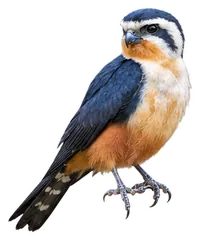 Collared FalconetMicrohierax caerulescens
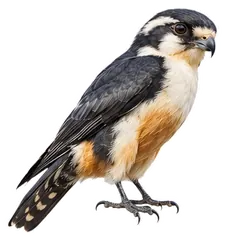 Black-thighed FalconetMicrohierax fringillarius
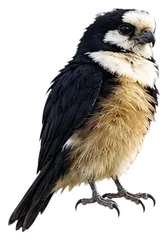 White-fronted FalconetMicrohierax latifrons
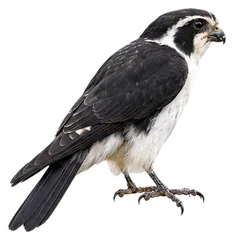 Pied FalconetMicrohierax melanoleucos
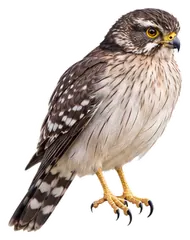 Spot-winged FalconetSpiziapteryx circumcincta
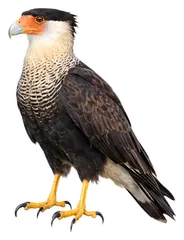 Crested CaracaraCaracara plancus
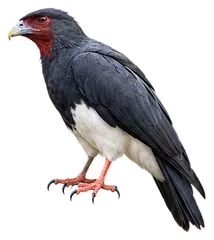 Red-throated CaracaraIbycter americanus
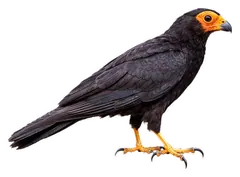 Black CaracaraDaptrius ater
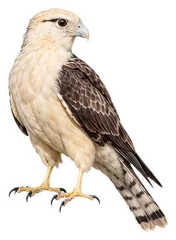 Yellow-headed CaracaraDaptrius chimachima
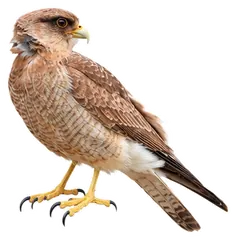 Chimango CaracaraDaptrius chimango
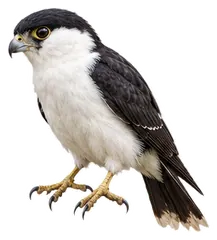
Download illustration
Free to use with credit: “Illustration: Bird Album (birdalbum.com)”. Drawn by AI from a reference photo by kenny_well. ↗
Heard it but can't see it? Mingji identifies birds by sound and photo, on your phone.
In other languages
- EnglishPhilippine Falconet
- 简体中文菲律宾小隼
- 繁體中文菲律賓小隼
- 日本語フィリピンヒメハヤブサ
- DeutschZweifarbenfälkchen
- FrançaisFauconnet des Philippines
- EspañolFalconete filipino
- Portuguêsfalconete-bicolor
- ItalianoFalchetto delle Filippine
- NederlandsFilipijnse Dwergvalk
- РусскийФилиппинский сокол-крошка
- Svenskafilippinpygméfalk
- DanskFilippinsk Pygmæfalk
- Polskisokolik białobrzuchy