 Bird Album
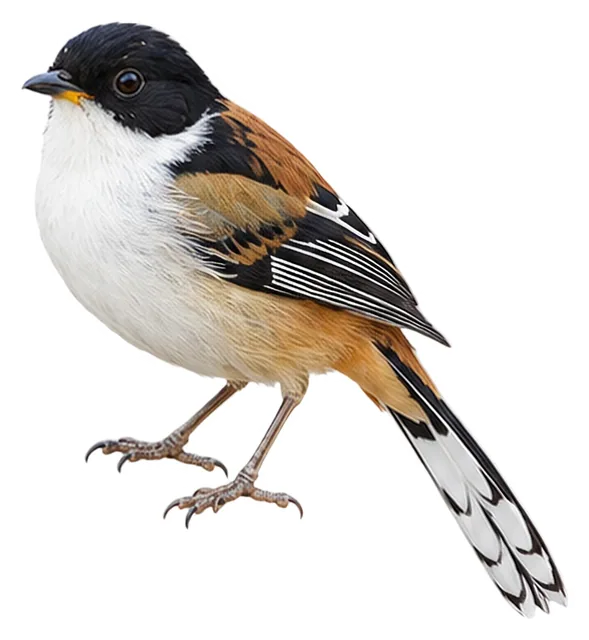
Rufous-backed Sibia
Leioptila annectens Blyth, 1847
≈17 cmLength24 gWeight
The rufous-backed sibia (Leioptila annectens) is a passerine bird in the family Leiothrichidae.
Busiest months: February · Most records: Thailand, China, Myanmar (Burma)
How to identify
Where and when it's recorded

Rufous-backed Sibia has been recorded at 63 of the 8,171 birding hotspots we track, in 5 countries and regions.
Records by month Northern Hemisphere
Where it's recorded most
- Doi Pha Hom Pok NP – Doi Lang (W), AKA Doi San JuThailand680 records
- Doi Inthanon NP – Mae Ouam (Km 34.5)Thailand413 records
- Doi Inthanon NPThailand410 records
More places
- Doi Inthanon NP – Checkpoint #2Thailand211 records
- Doi Pha Hom Pok NP – Doi AngkhangThailand189 records
- Doi Pha Hom Pok NP – Doi Lang (W) level part / "Oasis"Thailand174 records
- Doi Inthanon NP – Jeep Track (Km 37.5)Thailand142 records
- Doi Pha Hom Pok NP – Doi Lang (E)Thailand116 records
- Shiti VillageChina82 records
- Doi Pha Hom Pok NP – Doi Angkhang military base & campsiteThailand78 records
Countries and regions with the most records
eBird records via GBIF up to 2024-12-31. A record means someone listed it; more records partly mean more birders, not more birds.
Questions
How big is the Rufous-backed Sibia?
The Rufous-backed Sibia is about ≈17 cm long and weighs around 24 g.
Where does the Rufous-backed Sibia live?
Its breeding range: Oriental: Himalayas to south-central Vietnam. It is most often recorded in Thailand, China and Myanmar (Burma).
When is the best time to see the Rufous-backed Sibia?
At the hotspots we track, it is recorded most in February (Northern Hemisphere).
Is the Rufous-backed Sibia endangered?
The IUCN Red List classifies the Rufous-backed Sibia as Least Concern.
What does the Rufous-backed Sibia eat?
Main food: Insects & other invertebrates.
What family is the Rufous-backed Sibia in?
It belongs to the family Laughingthrushes & Allies (Leiothrichidae), order Passerines (Passeriformes).
At a glance
- Length
- ≈17 cm
- Weight
- 24 g
- Habitat
- Forest
- Diet
- Insects & other invertebrates
- Lifestyle
- Perches in trees
- Migration
- Resident (barely migrates)
- Conservation
- Least Concern
More measurements
- Wing
- 76 mm
- Tail
- 84 mm
- Bill
- 17 mm
- Tarsus
- 23 mm
Averages from the AVONET dataset; length from field guides where available.
Range
Oriental: Himalayas to south-central Vietnam
Breeding range, IOC World Bird List 15.2
Subspecies · 2
- Leioptila annectens annectens e Himalayas, n Myanmar and sw China
- Leioptila annectens mixta e Myanmar and s China to c Indochina
Classification
- Order
- Passerines Passeriformes
- Family
- Laughingthrushes & Allies Leiothrichidae
- Genus
- Leioptila
More from the family Laughingthrushes & Allies
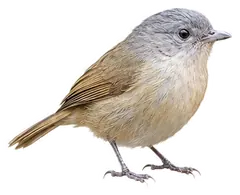 Brown-cheeked FulvettaAlcippe poioicephala
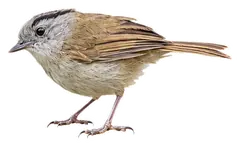 Black-browed FulvettaAlcippe grotei
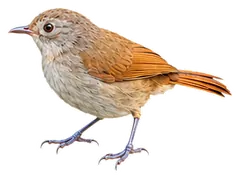 Brown FulvettaAlcippe brunneicauda
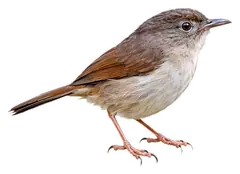 Javan FulvettaAlcippe pyrrhoptera
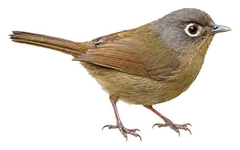 Nepal FulvettaAlcippe nipalensis
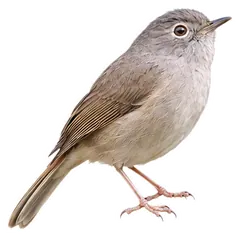 David's FulvettaAlcippe davidi
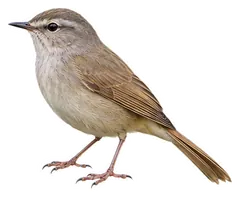 Huet's FulvettaAlcippe hueti
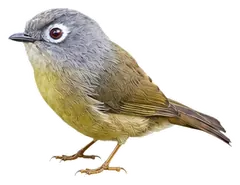 Grey-cheeked FulvettaAlcippe morrisonia
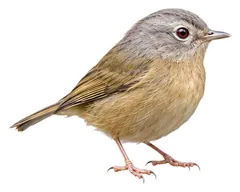 Yunnan FulvettaAlcippe fratercula
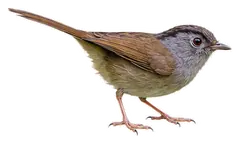 Mountain FulvettaAlcippe peracensis
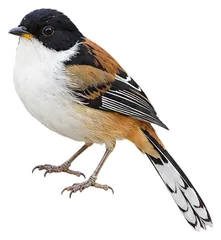
Download illustration
Free to use with credit: “Illustration: Bird Album (birdalbum.com)”. Drawn by AI from a reference photo by sharadavakil. ↗
Heard it but can't see it? Mingji identifies birds by sound and photo, on your phone.
In other languages
- EnglishRufous-backed Sibia
- 简体中文栗背奇鹛
- 繁體中文慄背奇鶥
- 日本語セアカウタイチメドリ
- DeutschRotrückensibia
- FrançaisLéioptile à dos marron
- EspañolSibia dorsirrufa
- Portuguêssibia-de-dorso-ruivo
- ItalianoSibia dorsorossiccio
- NederlandsRoodrugminla
- РусскийРыжий пестрохвост
- Svenskarostryggig minla
- DanskRødrygget Sibia
- Polskikolorzyk rdzawogrzbiety