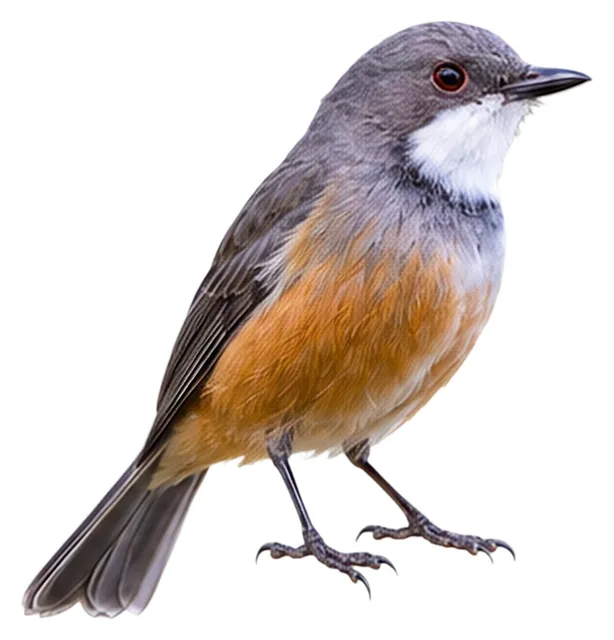
Rufous Whistler
Pachycephala rufiventris (Latham, 1801)
22 gWeight
The rufous whistler (Pachycephala rufiventris) is a species of whistler found in New Caledonia and Australia.
Busiest months: October · Most records: Australia, New Caledonia
Where and when it's recorded
Busiest months: October · Most records: Australia, New Caledonia

Rufous Whistler has been recorded at 212 of the 8,276 birding hotspots we track, in 2 countries and regions.
Records by month Southern Hemisphere
Where it's recorded most
- Broome Bird ObservatoryAustralia3,848 records
- Sandy Camp Road WetlandsAustralia3,610 records
- Lake Samsonvale – Golds Scrub LaneAustralia2,869 records
More places
- Bowra Wildlife SanctuaryAustralia2,777 records
- Oxley Creek CommonAustralia2,763 records
- Jerrabomberra Wetlands Nature ReserveAustralia2,557 records
- Tinchi Tamba Wetlands ReserveAustralia2,075 records
- Mt Ainslie Nature Reserve – Campbell ParkAustralia1,504 records
- Tyto WetlandsAustralia1,341 records
- Gold Creek ReservoirAustralia1,214 records
Countries and regions with the most records
eBird records via GBIF up to 2024-12-31. A record means someone listed it; more records partly mean more birders, not more birds.
About
The rufous whistler (Pachycephala rufiventris) is a species of whistler found in New Caledonia and Australia. Predominantly a reddish-brown and grey bird, it makes up for its subdued plumage with its song-making ability. Like many other members of the Pachycephalidae, it has a variety of musical calls.
Excerpt from Wikipedia, CC BY-SA 4.0 · authors · Read more on Wikipedia
Questions
How big is the Rufous Whistler?
The Rufous Whistler weighs around 22 g.
Where does the Rufous Whistler live?
Its breeding range: Australasia: Australia and New Caledonia. It is most often recorded in Australia and New Caledonia.
When is the best time to see the Rufous Whistler?
At the hotspots we track, it is recorded most in October (Southern Hemisphere).
Is the Rufous Whistler endangered?
The IUCN Red List classifies the Rufous Whistler as Least Concern.
What does the Rufous Whistler eat?
Main food: Insects & other invertebrates.
What family is the Rufous Whistler in?
It belongs to the family Whistlers & Allies (Pachycephalidae), order Passerines (Passeriformes).
At a glance
- Weight
- 22 g
- Habitat
- Forest
- Diet
- Insects & other invertebrates
- Lifestyle
- Perches in trees
- Migration
- Resident (barely migrates)
- Conservation
- Least Concern
More measurements
- Wing
- 93 mm
- Tail
- 67 mm
- Bill
- 16 mm
- Tarsus
- 21 mm
Averages from the AVONET dataset; length from field guides where available.
Range
Australasia: Australia and New Caledonia
Breeding range, IOC World Bird List 15.2
Classification
- Order
- Passerines Passeriformes
- Family
- Whistlers & Allies Pachycephalidae
- Genus
- Pachycephala
Other birds in the genus Pachycephala
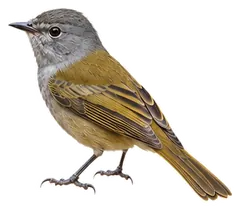 Olive WhistlerPachycephala olivacea
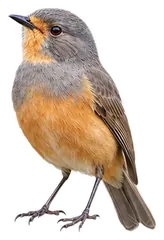 Red-lored WhistlerPachycephala rufogularis
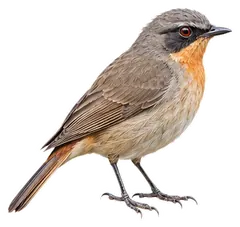 Gilbert's WhistlerPachycephala inornata
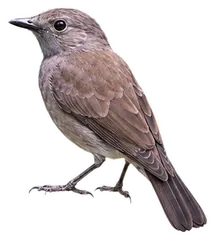 Mangrove WhistlerPachycephala cinerea
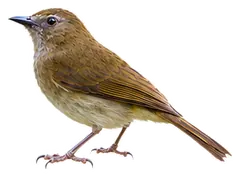 Green-backed WhistlerPachycephala albiventris
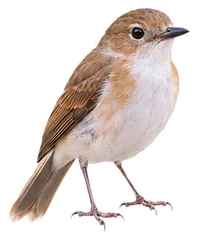 White-vented WhistlerPachycephala homeyeri
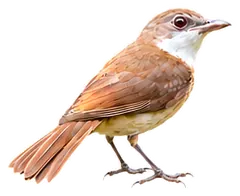 Island WhistlerPachycephala phaionota
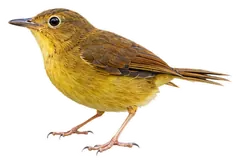 Biak WhistlerPachycephala melanorhyncha
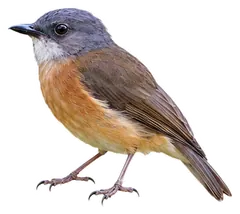 Rusty WhistlerPachycephala hyperythra
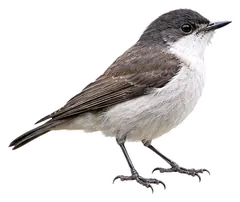 Brown-backed WhistlerPachycephala modesta
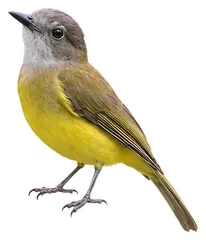 Yellow-bellied WhistlerPachycephala philippinensis
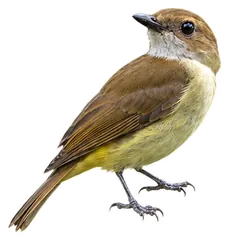 Sulphur-vented WhistlerPachycephala sulfuriventer
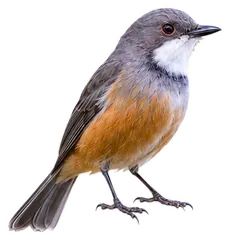
Download illustration
Free to use with credit: “Illustration: Bird Album (birdalbum.com)”. Drawn by AI from a reference photo by Frédéric Desmoulins. ↗
Heard it but can't see it? Mingji identifies birds by sound and photo, on your phone.