 Bird Album
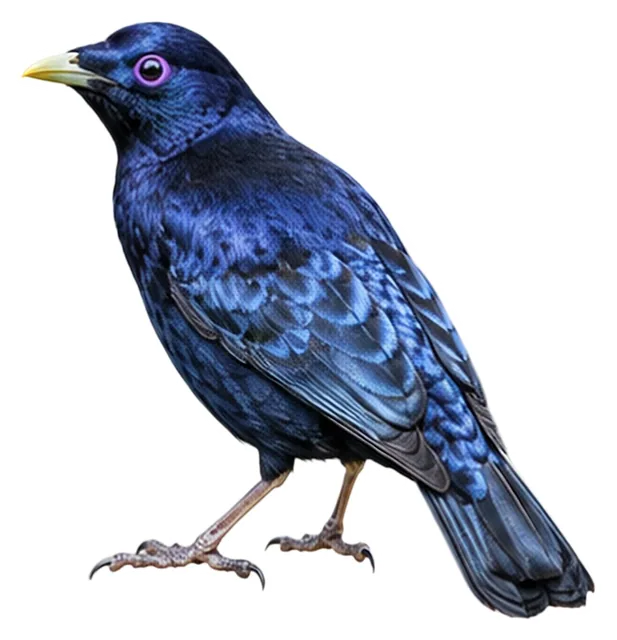
Satin Bowerbird
Ptilonorhynchus violaceus (Vieillot, 1816)
219 gWeight
The satin bowerbird (Ptilonorhynchus violaceus) is a species of passerine bird in the bowerbird family Ptilonorhynchidae that is endemic to eastern Australia.
Busiest months: October–November · Most records: Australia
Where and when it's recorded

Satin Bowerbird has been recorded at 70 of the 8,171 birding hotspots we track, in 1 country or region.
Records by month Southern Hemisphere
Where it's recorded most
- O'Reilly's Rainforest RetreatAustralia4,046 records
- SpringwoodAustralia2,350 records
- Wollongong Botanic GardenAustralia2,287 records
More places
- Coachwood ParkAustralia1,718 records
- Australian National Botanic GardensAustralia1,711 records
- Boys WalkAustralia983 records
- Jerrara DamAustralia982 records
- D'Aguilar National Park – Maiala Loop WalkAustralia910 records
- Mount Annan Botanic GardensAustralia835 records
- Bendthualaly, BellawongarahAustralia674 records
Countries and regions with the most records
eBird records via GBIF up to 2024-12-31. A record means someone listed it; more records partly mean more birders, not more birds.
About
The satin bowerbird (Ptilonorhynchus violaceus) is a species of passerine bird in the bowerbird family Ptilonorhynchidae that is endemic to eastern Australia. It is the only species placed in the genus Ptilonorhynchus.
Excerpt from Wikipedia, CC BY-SA 4.0 · authors · Read more on Wikipedia
Questions
How big is the Satin Bowerbird?
The Satin Bowerbird weighs around 219 g.
Where does the Satin Bowerbird live?
Its breeding range: Australasia: eastern Australia. It is most often recorded in Australia.
When is the best time to see the Satin Bowerbird?
At the hotspots we track, it is recorded most in October and November (Southern Hemisphere).
Is the Satin Bowerbird endangered?
The IUCN Red List classifies the Satin Bowerbird as Least Concern.
What does the Satin Bowerbird eat?
Main food: Omnivore.
What family is the Satin Bowerbird in?
It belongs to the family Bowerbirds (Ptilonorhynchidae), order Passerines (Passeriformes).
At a glance
- Weight
- 219 g
- Habitat
- Forest
- Diet
- Omnivore
- Lifestyle
- Perches in trees
- Migration
- Resident (barely migrates)
- Conservation
- Least Concern
More measurements
- Wing
- 165 mm
- Tail
- 111 mm
- Bill
- 34 mm
- Tarsus
- 50 mm
Averages from the AVONET dataset; length from field guides where available.
Range
Australasia: eastern Australia
Breeding range, IOC World Bird List 15.2
Classification
- Order
- Passerines Passeriformes
- Family
- Bowerbirds Ptilonorhynchidae
- Genus
- Ptilonorhynchus
More from the family Bowerbirds
 Ochre-breasted CatbirdAiluroedus stonii
 White-eared CatbirdAiluroedus buccoides
 Tan-capped CatbirdAiluroedus geislerorum
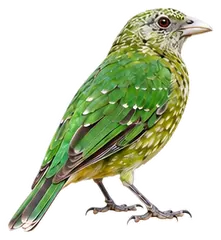 Green CatbirdAiluroedus crassirostris
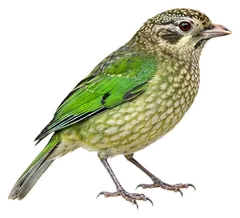 Spotted CatbirdAiluroedus maculosus
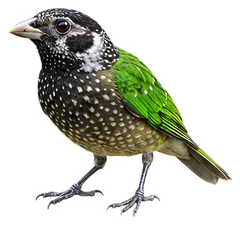 Black-eared CatbirdAiluroedus melanotis
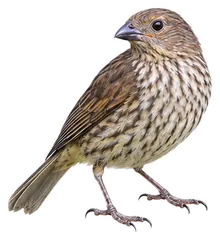 Tooth-billed BowerbirdScenopoeetes dentirostris
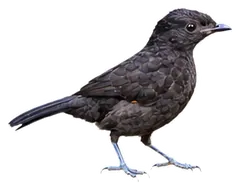 Archbold's BowerbirdArchboldia papuensis
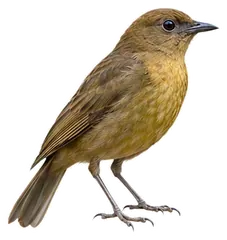 Vogelkop BowerbirdAmblyornis inornata
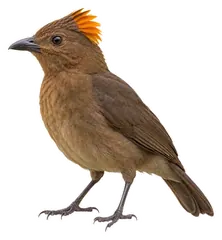 MacGregor's BowerbirdAmblyornis macgregoriae
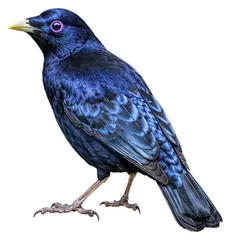
Download illustration
Free to use with credit: “Illustration: Bird Album (birdalbum.com)”. Drawn by AI from a reference photo by Lorraine Harris. ↗
Heard it but can't see it? Mingji identifies birds by sound and photo, on your phone.
In other languages
- EnglishSatin Bowerbird
- 简体中文缎蓝园丁鸟
- 繁體中文緞藍園丁鳥
- 日本語アオアズマヤドリ
- DeutschSeidenlaubenvogel
- FrançaisJardinier satiné
- EspañolPergolero satinado
- Portuguêsperguleiro-acetinado
- ItalianoUccello giardiniere satinato
- NederlandsSatijnblauwe Prieelvogel
- РусскийАтласный шалашник
- Svenskasatänglövsalsfågel
- DanskAtlaskløvhyttefugl
- Polskialtannik lśniący