 Bird Album
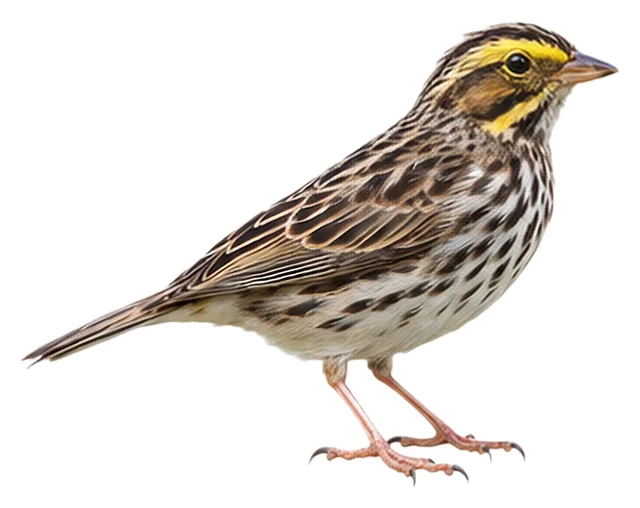
Savannah Sparrow
Passerculus sandwichensis (Gmelin, JF, 1789)
≈14 cmLength18–25 cmWingspan20 gWeight
This small grassland bunting has a dark-streaked brown back, whitish underparts and streaks on the breast and flanks.
Busiest months: May and October · Most records: United States, Canada, Mexico
How to identify
Field marks
- Back brown with dark streaks
- Underparts whitish, with brown or black streaks on breast and flanks
- Median crown-stripe and supercilium whitish, sometimes tinged yellow
- Cheeks brown; throat white; lower mandible horn-colored and upper mandible dark gray
Male, female and young
Sexes alike in plumage.
Voice
The flight call is a thin “seep”; the song combines chirps and trills.
Where and when it's recorded

Savannah Sparrow has been recorded at 853 of the 8,171 birding hotspots we track, in 18 countries and regions.
Records by month Northern Hemisphere
Where it's recorded most
- Bolsa Chica Ecological ReserveUnited States10,533 records
- Hornsby BendUnited States10,019 records
- Union Bay Natural Area/Montlake FillUnited States8,828 records
More places
- Billy Frank Jr. Nisqually NWRUnited States8,617 records
- Montrose Point Bird Sanctuary, Lincoln Park, ChicagoUnited States8,139 records
- Parker River NWRUnited States7,865 records
- Sweetwater Wetlands ParkUnited States7,601 records
- Edwin B. Forsythe NWRUnited States7,409 records
- Jocelyn Nungaray NWR (Anahuac)United States7,013 records
- Philomath Sewage PondsUnited States6,454 records
Countries and regions with the most records
eBird records via GBIF up to 2024-12-31. A record means someone listed it; more records partly mean more birders, not more birds.
About
The Savannah sparrow (Passerculus sandwichensis) is a small New World sparrow that is the only member of the genus Passerculus. It is a widespread and abundant species that occupies open grassland habitats in North America.
Excerpt from Wikipedia, CC BY-SA 4.0 · authors · Read more on Wikipedia
Questions
How big is the Savannah Sparrow?
The Savannah Sparrow is about ≈14 cm long, with a wingspan of 18–25 cm and weighs around 20 g.
Where does the Savannah Sparrow live?
Its breeding range: North America, Middle America: Canada to Guatemala. It is most often recorded in United States, Canada and Mexico.
When is the best time to see the Savannah Sparrow?
At the hotspots we track, it is recorded most in May and October (Northern Hemisphere).
Is the Savannah Sparrow endangered?
The IUCN Red List classifies the Savannah Sparrow as Least Concern.
What does the Savannah Sparrow eat?
Main food: Omnivore.
What family is the Savannah Sparrow in?
It belongs to the family New World Sparrows (Passerellidae), order Passerines (Passeriformes).
At a glance
- Length
- ≈14 cm
- Wingspan
- 18–25 cm
- Weight
- 20 g
- Habitat
- Grassland
- Diet
- Omnivore
- Lifestyle
- Varied
- Migration
- Migratory
- Conservation
- Least Concern
More measurements
- Wing
- 73 mm
- Tail
- 51 mm
- Bill
- 13 mm
- Tarsus
- 21 mm
Averages from the AVONET dataset; length from field guides where available.
Range
North America, Middle America: Canada to Guatemala
Breeding range, IOC World Bird List 15.2
Classification
- Order
- Passerines Passeriformes
- Family
- New World Sparrows Passerellidae
- Genus
- Passerculus
More from the family New World Sparrows
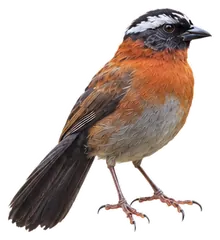 Tanager FinchOreothraupis arremonops
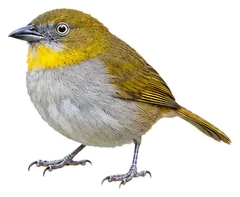 Yellow-throated ChlorospingusChlorospingus flavigularis
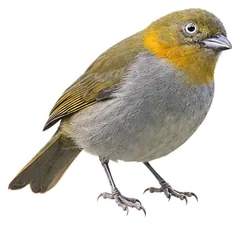 Yellow-whiskered ChlorospingusChlorospingus parvirostris
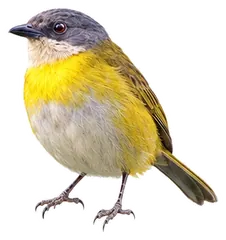 Ashy-throated ChlorospingusChlorospingus canigularis
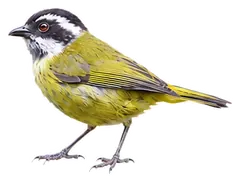 Sooty-capped ChlorospingusChlorospingus pileatus
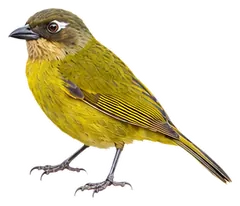 Common ChlorospingusChlorospingus flavopectus
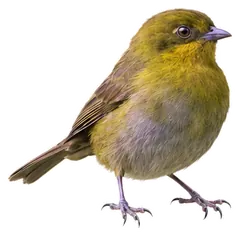 Tacarcuna ChlorospingusChlorospingus tacarcunae
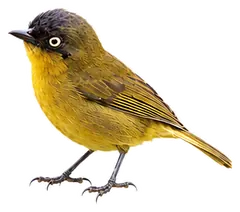 Pirre ChlorospingusChlorospingus inornatus
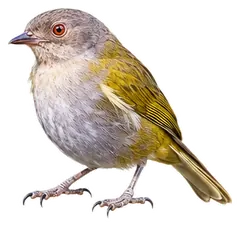 Dusky ChlorospingusChlorospingus semifuscus
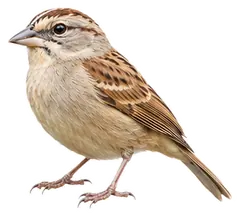 Tumbes SparrowRhynchospiza stolzmanni
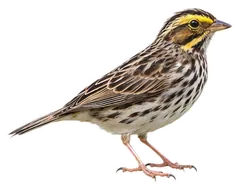
Download illustration
Free to use with credit: “Illustration: Bird Album (birdalbum.com)”. Drawn by AI from a reference photo by Ad Konings. ↗
Heard it but can't see it? Mingji identifies birds by sound and photo, on your phone.