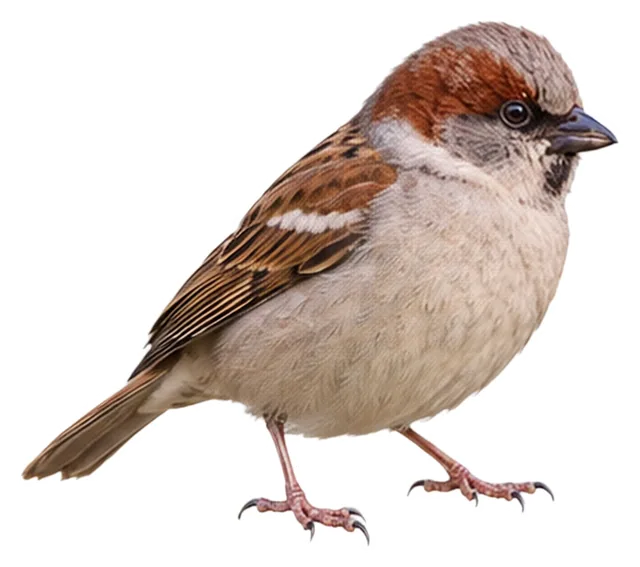
Sind Sparrow
Passer pyrrhonotus Blyth, 1845
13–15 cmLength22 gWeight
The Sind sparrow (Passer pyrrhonotus) is a passerine bird of the sparrow family, Passeridae, found around the Indus valley region in South Asia.
Busiest months: December · Most records: India, Pakistan
Where and when it's recorded
Busiest months: December · Most records: India, Pakistan

Sind Sparrow has been recorded at 12 of the 8,276 birding hotspots we track, in 2 countries and regions.
Records by month Northern Hemisphere
Where it's recorded most
- Sultanpur National ParkIndia786 records
- Budhera Water Treatment PlantIndia406 records
- ChanduIndia324 records
More places
- Najafgarh Jheel AreaIndia116 records
- Basai WetlandIndia86 records
- Haleji LakePakistan27 records
- Langh LakePakistan11 records
- Tal Chhapar SanctuaryIndia10 records
- Head Marala - Chenab View PointPakistan5 records
- Hub Dam Wildlife SanctuaryPakistan3 records
Countries and regions with the most records
eBird records via GBIF up to 2024-12-31. A record means someone listed it; more records partly mean more birders, not more birds.
About
The Sind sparrow (Passer pyrrhonotus) is a passerine bird of the sparrow family, Passeridae, found around the Indus valley region in South Asia. Its name refers to the province of Sindh, and it is also known as the jungle, Sind jungle, or rufous-backed sparrow. Very similar to the related house sparrow, it is smaller and has distinguishing plumage features.
Excerpt from Wikipedia, CC BY-SA 4.0 · authors · Read more on Wikipedia
Questions
How big is the Sind Sparrow?
The Sind Sparrow is about 13–15 cm long and weighs around 22 g.
Where does the Sind Sparrow live?
Its breeding range: Oriental: southwestern southern Asian riparian jungle: southeastern Iran (probably), southern, central Pakistan and sub-Himalayan northwestern India. It is most often recorded in India and Pakistan.
When is the best time to see the Sind Sparrow?
At the hotspots we track, it is recorded most in December (Northern Hemisphere).
Is the Sind Sparrow endangered?
The IUCN Red List classifies the Sind Sparrow as Least Concern.
What does the Sind Sparrow eat?
Main food: Seeds.
What family is the Sind Sparrow in?
It belongs to the family Old World Sparrows, Snowfinches (Passeridae), order Passerines (Passeriformes).
At a glance
- Length
- 13–15 cm
- Weight
- 22 g
- Habitat
- Shrubland
- Diet
- Seeds
- Lifestyle
- Active on the ground
- Migration
- Resident (barely migrates)
- Conservation
- Least Concern
More measurements
- Wing
- 66 mm
- Tail
- 51 mm
- Bill
- 11 mm
- Tarsus
- 17 mm
Averages from the AVONET dataset; length from field guides where available.
Range
Oriental: southwestern southern Asian riparian jungle: southeastern Iran (probably), southern, central Pakistan and sub-Himalayan northwestern India
Breeding range, IOC World Bird List 15.2
Classification
- Order
- Passerines Passeriformes
- Family
- Old World Sparrows, Snowfinches Passeridae
- Genus
- Passer
Other birds in the genus Passer
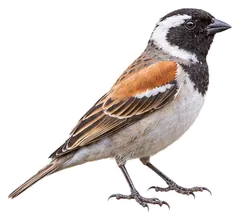 Cape SparrowPasser melanurus
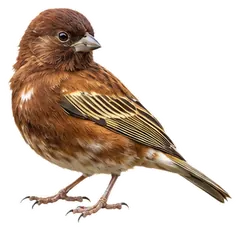 Chestnut SparrowPasser eminibey
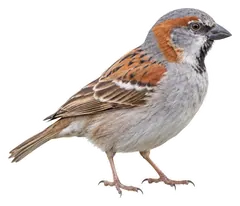 Kordofan SparrowPasser cordofanicus
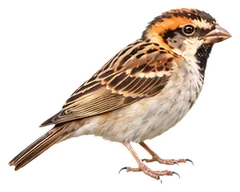 Shelley's SparrowPasser shelleyi
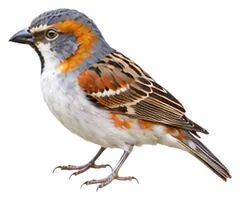 Kenya SparrowPasser rufocinctus
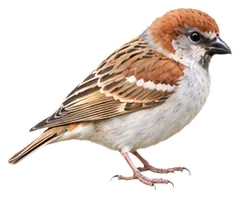 Great SparrowPasser motitensis
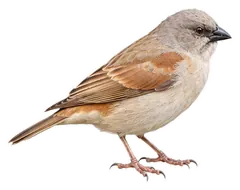 Northern Grey-headed SparrowPasser griseus
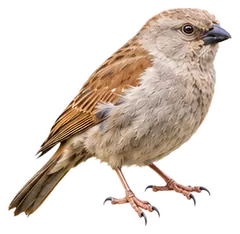 Swainson's SparrowPasser swainsonii
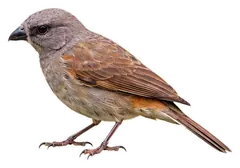 Swahili SparrowPasser suahelicus
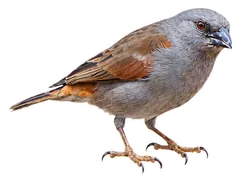 Parrot-billed SparrowPasser gongonensis
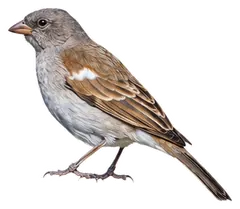 Southern Grey-headed SparrowPasser diffusus
 Russet SparrowPasser cinnamomeus
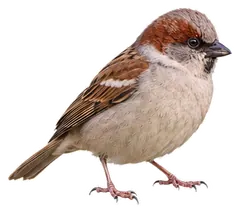
Download illustration
Free to use with credit: “Illustration: Bird Album (birdalbum.com)”. Drawn by AI from a reference photo by Dr Harmeet Singh. ↗
Heard it but can't see it? Mingji identifies birds by sound and photo, on your phone.