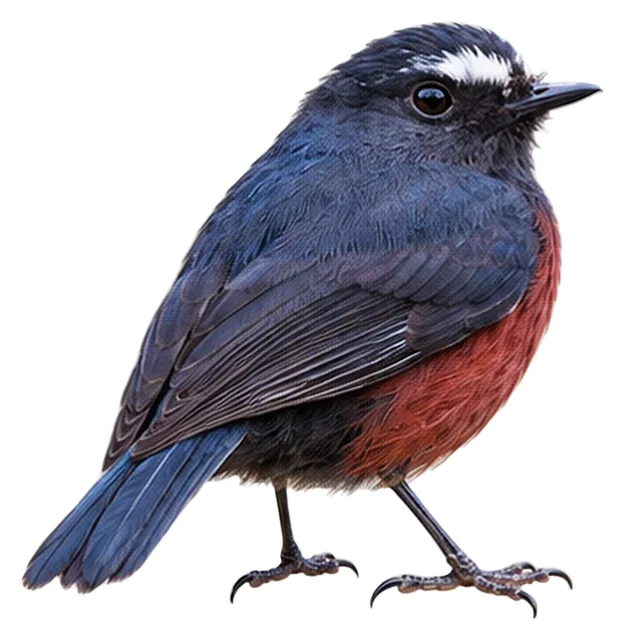
Slaty-backed Chat-Tyrant
Ochthoeca cinnamomeiventris (Lafresnaye, 1843)
12–13 cmLength12 gWeight
The slaty-backed chat-tyrant or chestnut-bellied chat-tyrant (Ochthoeca cinnamomeiventris) is a species of bird in the family Tyrannidae, the tyrant flycatchers.
Busiest months: February and November · Most records: Colombia, Ecuador
Where and when it's recorded
Busiest months: February and November · Most records: Colombia, Ecuador

Slaty-backed Chat-Tyrant has been recorded at 90 of the 8,276 birding hotspots we track, in 2 countries and regions.
Records by month Northern Hemisphere
Where it's recorded most
- Reserva Ecológica Río Blanco – LodgeColombia2,193 records
- Guango LodgeEcuador1,361 records
- Loro Coroniazul ProAves ReserveColombia468 records
More places
- Hacienda El BosqueColombia419 records
- Cordillera Guacamayos – Sendero JumandyEcuador298 records
- Parque Natural ChicaqueColombia293 records
- Las Tangaras ProAves ReserveColombia286 records
- Colibrí del Sol ProAves ReserveColombia275 records
- Reserva Tapichalaca y Casa SimpsonEcuador251 records
- RNA Loro OrejiamarilloColombia186 records
Countries and regions with the most records
eBird records via GBIF up to 2024-12-31. A record means someone listed it; more records partly mean more birders, not more birds.
About
The slaty-backed chat-tyrant or chestnut-bellied chat-tyrant (Ochthoeca cinnamomeiventris) is a species of bird in the family Tyrannidae, the tyrant flycatchers. It is found in Bolivia, Colombia, Ecuador, Peru, and Venezuela.
Excerpt from Wikipedia, CC BY-SA 4.0 · authors · Read more on Wikipedia
Questions
How big is the Slaty-backed Chat-Tyrant?
The Slaty-backed Chat-Tyrant is about 12–13 cm long and weighs around 12 g.
Where does the Slaty-backed Chat-Tyrant live?
Its breeding range: South America: southwestern Venezuela to northern Peru. It is most often recorded in Colombia and Ecuador.
When is the best time to see the Slaty-backed Chat-Tyrant?
At the hotspots we track, it is recorded most in February and November (Northern Hemisphere).
Is the Slaty-backed Chat-Tyrant endangered?
The IUCN Red List classifies the Slaty-backed Chat-Tyrant as Least Concern.
What does the Slaty-backed Chat-Tyrant eat?
Main food: Insects & other invertebrates.
What family is the Slaty-backed Chat-Tyrant in?
It belongs to the family Tyrant Flycatchers, Calyptura (Tyrannidae), order Passerines (Passeriformes).
At a glance
- Length
- 12–13 cm
- Weight
- 12 g
- Habitat
- Shrubland
- Diet
- Insects & other invertebrates
- Lifestyle
- Perches in trees
- Migration
- Resident (barely migrates)
- Conservation
- Least Concern
More measurements
- Wing
- 65 mm
- Tail
- 57 mm
- Bill
- 13 mm
- Tarsus
- 19 mm
Averages from the AVONET dataset; length from field guides where available.
Range
South America: southwestern Venezuela to northern Peru
Breeding range, IOC World Bird List 15.2
Classification
- Order
- Passerines Passeriformes
- Family
- Tyrant Flycatchers, Calyptura Tyrannidae
- Genus
- Ochthoeca
Other birds in the genus Ochthoeca
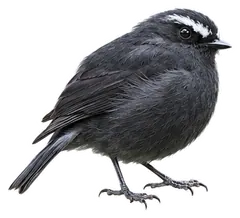 Blackish Chat-TyrantOchthoeca nigrita
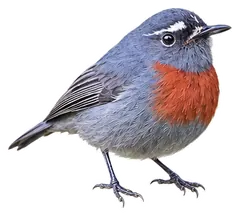 Maroon-belted Chat-TyrantOchthoeca thoracica
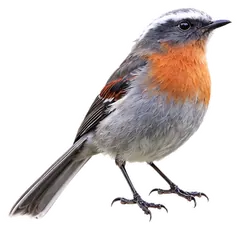 Rufous-breasted Chat-TyrantOchthoeca rufipectoralis
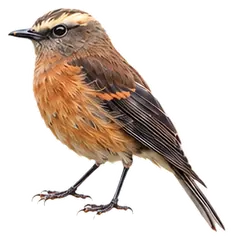 Brown-backed Chat-TyrantOchthoeca fumicolor
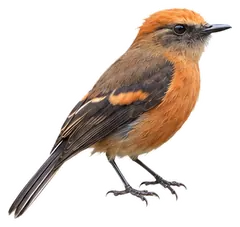 Rufous-browed Chat-TyrantOchthoeca superciliosa
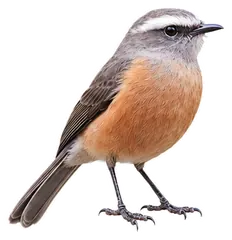 D'Orbigny's Chat-TyrantOchthoeca oenanthoides
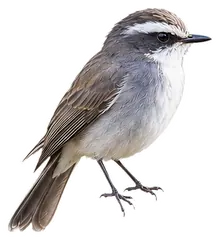 White-browed Chat-TyrantOchthoeca leucophrys
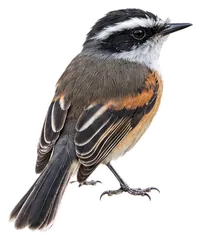 Piura Chat-TyrantOchthoeca piurae
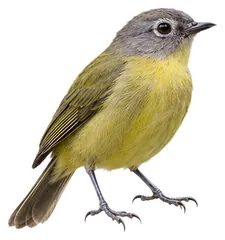 Grey-headed PipritesPiprites griseiceps
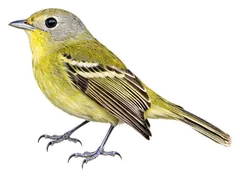 Wing-barred PipritesPiprites chloris
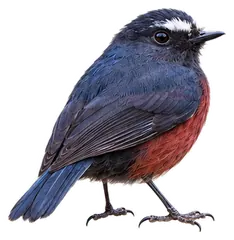
Download illustration
Free to use with credit: “Illustration: Bird Album (birdalbum.com)”. Drawn by AI from a reference photo by Dave Wendelken. ↗
Heard it but can't see it? Mingji identifies birds by sound and photo, on your phone.
In other languages
- EnglishSlaty-backed Chat-Tyrant
- 简体中文灰背唧霸鹟
- 繁體中文藍灰背鵖霸鶲
- 日本語カワリヒタキタイランチョウ
- DeutschSchiefermantel-Schmätzertyrann
- FrançaisPitajo à ventre brun
- EspañolPitajo ventricastaño
- Portuguêspitajo-das-torrentes
- ItalianoTiranno pigliamosche dorsoardesia
- NederlandsGrijsrugtapuittiran
- РусскийКаштановая тираннита
- Svenskaskifferryggig bergtyrann
- DanskSkiferrygget Bjergtyran
- Polskikląszczyk ciemnogrzbiety