 Bird Album
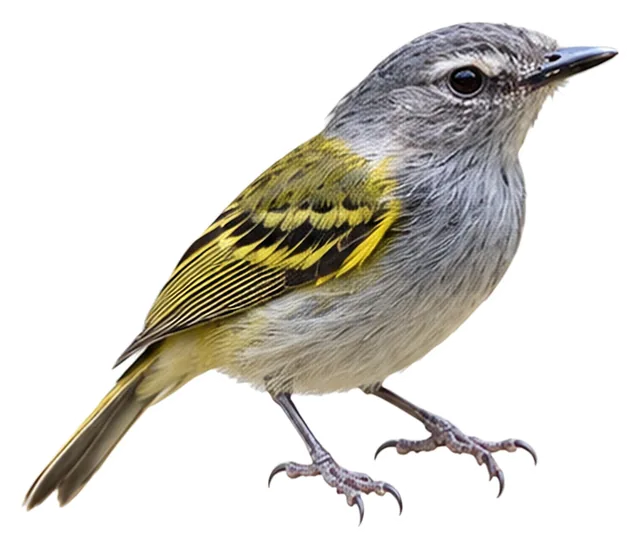
Slaty-headed Tody-Flycatcher
Poecilotriccus sylvia (Desmarest, 1806)
9–10 cmLength7.1 gWeight
The slaty-headed tody-flycatcher, or slate-headed tody-flycatcher, (Poecilotriccus sylvia) is a species of bird in the family Tyrannidae, the tyrant flycatchers.
Busiest months: January–March · Most records: Colombia, Costa Rica, Belize
Where and when it's recorded

Slaty-headed Tody-Flycatcher has been recorded at 250 of the 8,171 birding hotspots we track, in 11 countries and regions.
Records by month Northern Hemisphere
Where it's recorded most
- RN Laguna de SonsoColombia1,481 records
- PN Carara – Sendero La MeandricaCosta Rica958 records
- Refugio mixto Caño NegroCosta Rica925 records
More places
- Black Rock LodgeBelize908 records
- PN Carara-Entrada principal [senderos Quebrada Bonita y Universal]Costa Rica602 records
- Hotel Tinamú Birding Nature ReserveColombia526 records
- Quebrada grande san antonio del tequendamaColombia488 records
- Bijagua – Tapir ValleyCosta Rica442 records
- El Jaguar ProAves reserveColombia350 records
- Agrícola CameliasColombia263 records
Countries and regions with the most records
eBird records via GBIF up to 2024-12-31. A record means someone listed it; more records partly mean more birders, not more birds.
About
The slaty-headed tody-flycatcher, or slate-headed tody-flycatcher, (Poecilotriccus sylvia) is a species of bird in the family Tyrannidae, the tyrant flycatchers. It is found in Belize, Brazil, Colombia, Costa Rica, Guatemala, Guyana, Honduras, Mexico, Nicaragua, Panama, Venezuela, and possibly French Guiana.
Excerpt from Wikipedia, CC BY-SA 4.0 · authors · Read more on Wikipedia
Questions
How big is the Slaty-headed Tody-Flycatcher?
The Slaty-headed Tody-Flycatcher is about 9–10 cm long and weighs around 7.1 g.
Where does the Slaty-headed Tody-Flycatcher live?
Its breeding range: Middle America, South America: southern Mexico to northeastern Brazil. It is most often recorded in Colombia, Costa Rica and Belize.
When is the best time to see the Slaty-headed Tody-Flycatcher?
At the hotspots we track, it is recorded most in January, February and March (Northern Hemisphere).
Is the Slaty-headed Tody-Flycatcher endangered?
The IUCN Red List classifies the Slaty-headed Tody-Flycatcher as Least Concern.
What does the Slaty-headed Tody-Flycatcher eat?
Main food: Insects & other invertebrates.
What family is the Slaty-headed Tody-Flycatcher in?
It belongs to the family Tyrant Flycatchers, Calyptura (Tyrannidae), order Passerines (Passeriformes).
At a glance
- Length
- 9–10 cm
- Weight
- 7.1 g
- Habitat
- Forest
- Diet
- Insects & other invertebrates
- Lifestyle
- Perches in trees
- Migration
- Resident (barely migrates)
- Conservation
- Least Concern
More measurements
- Wing
- 47 mm
- Tail
- 32 mm
- Bill
- 14 mm
- Tarsus
- 20 mm
Averages from the AVONET dataset; length from field guides where available.
Range
Middle America, South America: southern Mexico to northeastern Brazil
Breeding range, IOC World Bird List 15.2
Classification
- Order
- Passerines Passeriformes
- Family
- Tyrant Flycatchers, Calyptura Tyrannidae
- Genus
- Poecilotriccus
Other birds in the genus Poecilotriccus
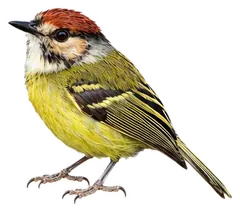 Rufous-crowned Tody-FlycatcherPoecilotriccus ruficeps
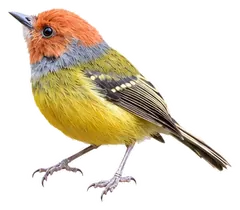 Lulu's Tody-FlycatcherPoecilotriccus luluae
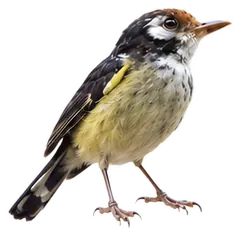 White-cheeked Tody-FlycatcherPoecilotriccus albifacies
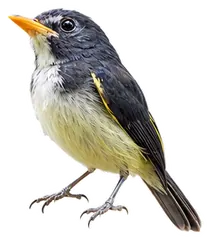 Black-and-white Tody-FlycatcherPoecilotriccus capitalis
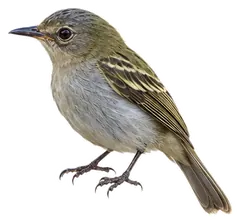 Buff-cheeked Tody-FlycatcherPoecilotriccus senex
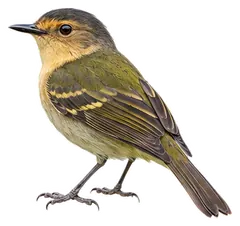 Ruddy Tody-FlycatcherPoecilotriccus russatus
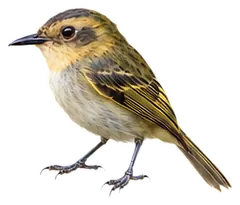 Ochre-faced Tody-FlycatcherPoecilotriccus plumbeiceps
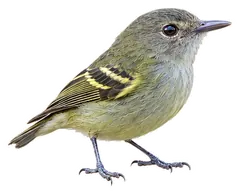 Smoky-fronted Tody-FlycatcherPoecilotriccus fumifrons
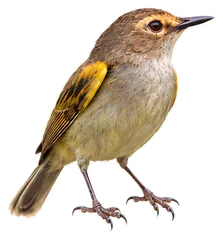 Rusty-fronted Tody-FlycatcherPoecilotriccus latirostris
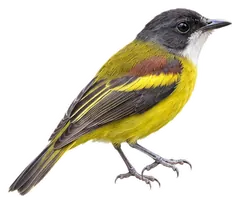 Golden-winged Tody-FlycatcherPoecilotriccus calopterus
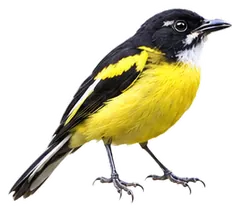 Black-backed Tody-FlycatcherPoecilotriccus pulchellus
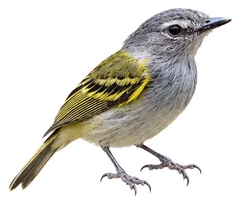
Download illustration
Free to use with credit: “Illustration: Bird Album (birdalbum.com)”. Drawn by AI from a reference photo by Rolando Tomas Pasos Pérez. ↗
Heard it but can't see it? Mingji identifies birds by sound and photo, on your phone.
In other languages
- EnglishSlaty-headed Tody-Flycatcher
- 简体中文蓝灰头哑霸鹟
- 繁體中文藍灰頭啞霸鶲
- 日本語ハイイロハシナガタイランチョウ
- DeutschGraukopf-Todityrann
- FrançaisTodirostre de Desmarest
- EspañolTitirijí gris
- Portuguêsferreirinho-da-capoeira
- ItalianoPigliamosche todo testardesia
- NederlandsGrijskeelschoffelsnavel
- РусскийСероголовый тоди-мухолов
- Svenskaskifferhuvad todityrann
- DanskSkiferhovedet Todityran
- Polskicienkodziobek siwogłowy