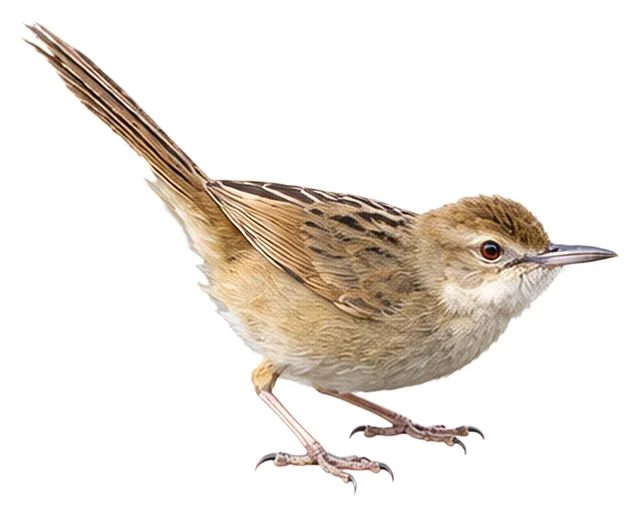
Tawny Grassbird
Cincloramphus timoriensis (Wallace, 1864)
22 gWeight
Busiest months: September–January · Most records: Australia, Philippines, Timor-Leste
Where and when it's recorded
Busiest months: September–January · Most records: Australia, Philippines, Timor-Leste

Tawny Grassbird has been recorded at 163 of the 8,276 birding hotspots we track, in 5 countries and regions.
Records by month Southern Hemisphere
Where it's recorded most
- Oxley Creek CommonAustralia4,347 records
- Sandy Camp Road WetlandsAustralia3,122 records
- Lake Samsonvale – Golds Scrub LaneAustralia2,523 records
More places
- Kedron Brook Wetlands ReserveAustralia1,731 records
- Minnippi ParklandsAustralia1,438 records
- Townsville Town Common Conservation ParkAustralia1,196 records
- Eagleby WetlandsAustralia913 records
- Lytton Wader Roost and Wynnum Mangrove BoardwalkAustralia843 records
- Archerfield WetlandsAustralia812 records
- Lake Samsonvale – Postmans TrackAustralia778 records
Countries and regions with the most records
eBird records via GBIF up to 2024-12-31. A record means someone listed it; more records partly mean more birders, not more birds.
Questions
How big is the Tawny Grassbird?
The Tawny Grassbird weighs around 22 g.
Where does the Tawny Grassbird live?
Its breeding range: Oriental, Australasia: Philippines, Sulawesi, Ambon (central Moluccas), central, eastern Lesser Sundas, south-central New Guinea and northern, eastern Australia. It is most often recorded in Australia, Philippines and Timor-Leste.
When is the best time to see the Tawny Grassbird?
At the hotspots we track, it is recorded most in January, September, October, November and December (Southern Hemisphere).
Is the Tawny Grassbird endangered?
The IUCN Red List classifies the Tawny Grassbird as Least Concern.
What does the Tawny Grassbird eat?
Main food: Insects & other invertebrates.
What family is the Tawny Grassbird in?
It belongs to the family Grassbirds & Allies (Locustellidae), order Passerines (Passeriformes).
At a glance
- Weight
- 22 g
- Habitat
- Wetland
- Diet
- Insects & other invertebrates
- Lifestyle
- Varied
- Migration
- Resident (barely migrates)
- Conservation
- Least Concern
More measurements
- Wing
- 59 mm
- Tail
- 79 mm
- Bill
- 16 mm
- Tarsus
- 22 mm
Averages from the AVONET dataset; length from field guides where available.
Range
Oriental, Australasia: Philippines, Sulawesi, Ambon (central Moluccas), central, eastern Lesser Sundas, south-central New Guinea and northern, eastern Australia
Breeding range, IOC World Bird List 15.2
Classification
- Order
- Passerines Passeriformes
- Family
- Grassbirds & Allies Locustellidae
- Genus
- Cincloramphus
Other birds in the genus Cincloramphus
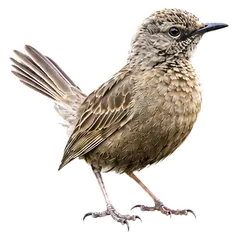 Brown SonglarkCincloramphus cruralis
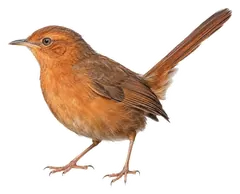 Rusty ThicketbirdCincloramphus rubiginosus
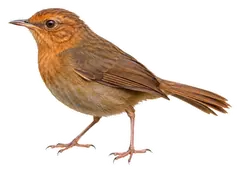 New Britain ThicketbirdCincloramphus grosvenori
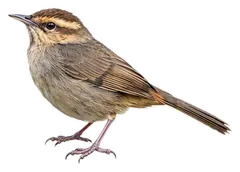 Buff-banded ThicketbirdCincloramphus bivittatus
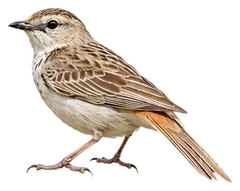 Rufous SonglarkCincloramphus mathewsi
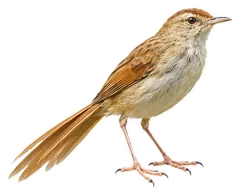 Papuan GrassbirdCincloramphus macrurus
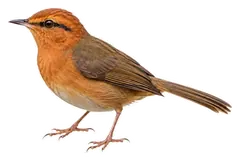 Guadalcanal ThicketbirdCincloramphus turipavae
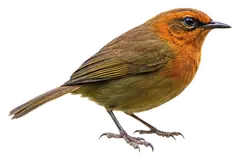 Santo ThicketbirdCincloramphus whitneyi
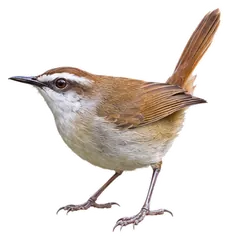 New Caledonian ThicketbirdCincloramphus mariae
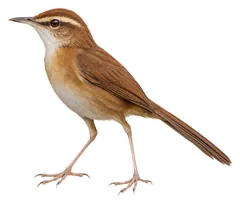 Long-legged ThicketbirdCincloramphus rufus
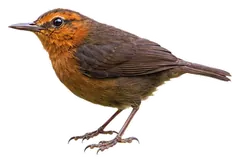 Bougainville ThicketbirdCincloramphus llaneae
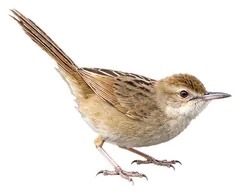
Download illustration
Free to use with credit: “Illustration: Bird Album (birdalbum.com)”. Drawn by AI from reference photos. ↗
Heard it but can't see it? Mingji identifies birds by sound and photo, on your phone.