 Bird Album
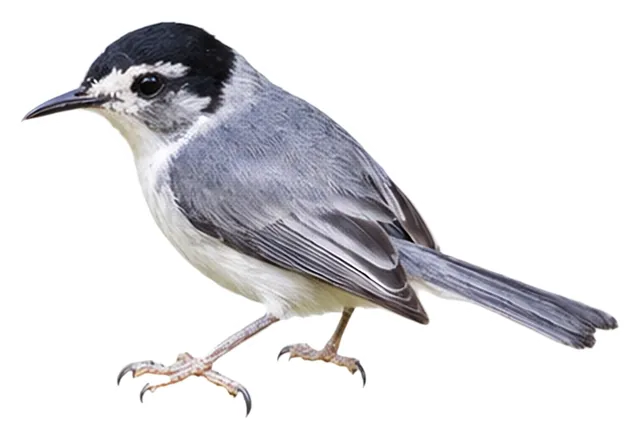
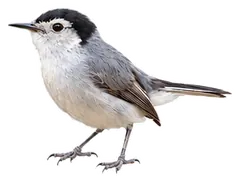
Tropical Gnatcatcher
Polioptila plumbea (Gmelin, JF, 1788)
12 cmLength6.4 gWeight
The tropical gnatcatcher (Polioptila plumbea) is a small active insectivorous songbird, which is a resident species throughout a large part of northern South America.
Busiest months: February–March · Most records: Costa Rica, Panama, Venezuela
Where and when it's recorded

Tropical Gnatcatcher has been recorded at 416 of the 8,171 birding hotspots we track, in 15 countries and regions.
Records by month Northern Hemisphere
Where it's recorded most
- Estación Biológica La Selva-OTSCosta Rica2,647 records
- Canopy TowerPanama2,177 records
- Posada El GalloVenezuela1,821 records
More places
- Rancho NaturalistaCosta Rica1,732 records
- Refugio mixto Caño NegroCosta Rica1,727 records
- Pipeline Road (Camino del Oleoducto)Panama1,455 records
- Tranquilo Bay Eco-Adventure LodgePanama1,291 records
- PN Carara-Entrada principal [senderos Quebrada Bonita y Universal]Costa Rica1,209 records
- Bosque Protector Cerro BlancoEcuador1,181 records
- Panama Rainforest Discovery CenterPanama1,123 records
Countries and regions with the most records
eBird records via GBIF up to 2024-12-31. A record means someone listed it; more records partly mean more birders, not more birds.
About
The tropical gnatcatcher (Polioptila plumbea) is a small active insectivorous songbird, which is a resident species throughout a large part of northern South America. It was formerly considered as conspecific with the white-browed gnatcatcher and the Marañón gnatcatcher.
Excerpt from Wikipedia, CC BY-SA 4.0 · authors · Read more on Wikipedia
Questions
How big is the Tropical Gnatcatcher?
The Tropical Gnatcatcher is about 12 cm long and weighs around 6.4 g.
Where does the Tropical Gnatcatcher live?
Its breeding range: South America: central, eastern Colombia to Peru and northeastern Brazil. It is most often recorded in Costa Rica, Panama and Venezuela.
When is the best time to see the Tropical Gnatcatcher?
At the hotspots we track, it is recorded most in February and March (Northern Hemisphere).
Is the Tropical Gnatcatcher endangered?
The IUCN Red List classifies the Tropical Gnatcatcher as Least Concern.
What does the Tropical Gnatcatcher eat?
Main food: Insects & other invertebrates.
What family is the Tropical Gnatcatcher in?
It belongs to the family Gnatcatchers (Polioptilidae), order Passerines (Passeriformes).
At a glance
- Length
- 12 cm
- Weight
- 6.4 g
- Habitat
- Shrubland
- Diet
- Insects & other invertebrates
- Lifestyle
- Perches in trees
- Migration
- Resident (barely migrates)
- Conservation
- Least Concern
More measurements
- Wing
- 47 mm
- Tail
- 52 mm
- Bill
- 13 mm
- Tarsus
- 16 mm
Averages from the AVONET dataset; length from field guides where available.
Range
South America: central, eastern Colombia to Peru and northeastern Brazil
Breeding range, IOC World Bird List 15.2
Classification
- Order
- Passerines Passeriformes
- Family
- Gnatcatchers Polioptilidae
- Genus
- Polioptila
Other birds in the genus Polioptila
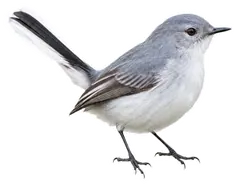 Rio Negro GnatcatcherPolioptila facilis
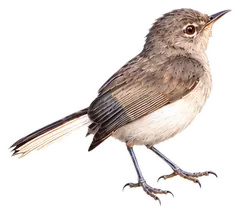 Guianan GnatcatcherPolioptila guianensis
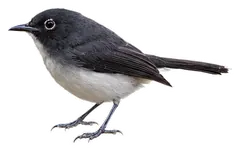 Slate-throated GnatcatcherPolioptila schistaceigula
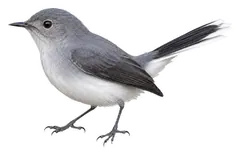 Para GnatcatcherPolioptila paraensis
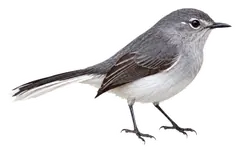 Iquitos GnatcatcherPolioptila clementsi
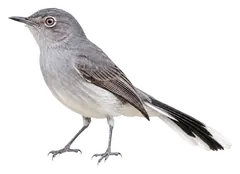 Inambari GnatcatcherPolioptila attenboroughi
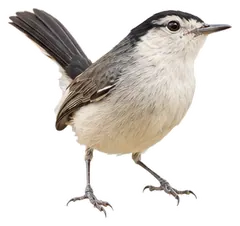 Maranon GnatcatcherPolioptila maior
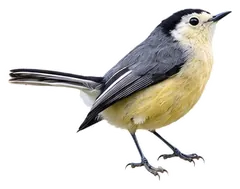 Creamy-bellied GnatcatcherPolioptila lactea
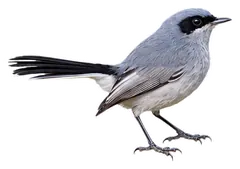 Masked GnatcatcherPolioptila dumicola
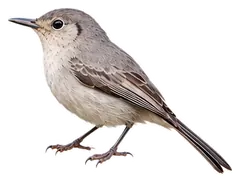 Cuban GnatcatcherPolioptila lembeyei
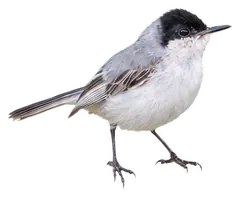 Yucatan GnatcatcherPolioptila albiventris
 White-browed GnatcatcherPolioptila bilineata
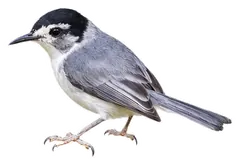
Download illustration
Free to use with credit: “Illustration: Bird Album (birdalbum.com)”. Drawn by AI from a reference photo by Carmelo López Abad. ↗
Heard it but can't see it? Mingji identifies birds by sound and photo, on your phone.
In other languages
- EnglishTropical Gnatcatcher
- 简体中文热带蚋莺
- 繁體中文熱帶蚋鶯
- 日本語カオジロブユムシクイ
- DeutschAmazonasmückenfänger
- FrançaisGobemoucheron tropical
- EspañolPerlita tropical
- Portuguêsbalança-rabo-de-chapéu-preto
- ItalianoPigliamoschini tropicale
- NederlandsAmazonemuggenvanger
- РусскийАмазонская комароловка
- Svenskatropikmyggsnappare
- DanskBlygrå Snerresmutte
- Polskisiwuszka tropikalna